
How To Cook Tuna Steak In Air Fryer [FULL GUIDE]
Recommended Equipments:
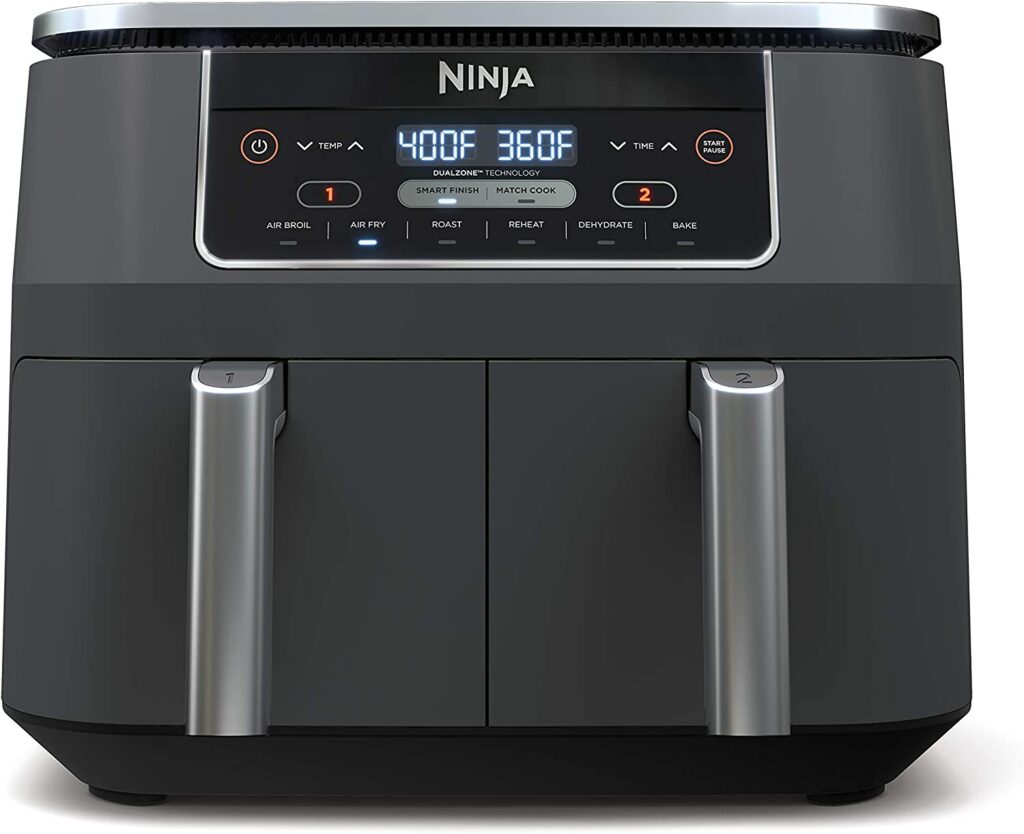
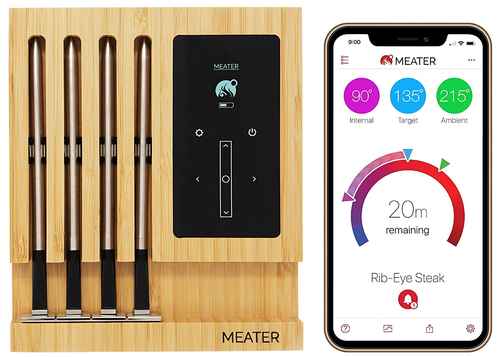
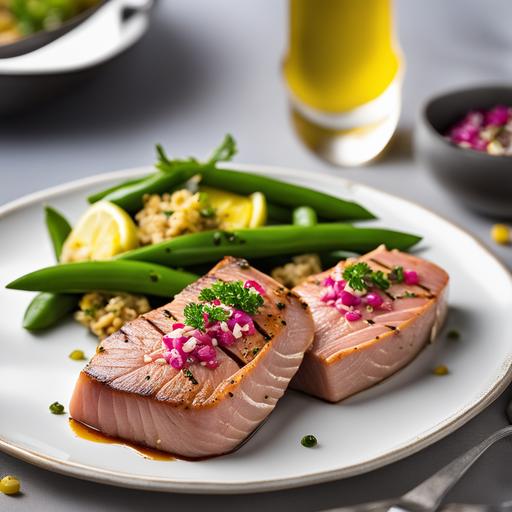
Tuna steak is one of the most satisfying proteins you can prepare at home-firm, meaty, lean, and capable of delivering restaurant-level flavor with very little effort. When cooked correctly, a tuna steak develops a delicate crust on the outside while remaining tender, silky, and slightly pink in the middle. While traditional cooking methods like pan-searing or grilling certainly work, the air fryer has become an exceptionally reliable tool for preparing tuna steaks with precision and consistency.
Because air fryers circulate intense, even heat in a compact space, they can cook tuna steak in just minutes while preserving moisture and minimizing overcooking-something tuna is notoriously sensitive to. This guide will break down everything you need to know: the optimal temperature, timing, doneness cues, troubleshooting, ingredient ideas, and expert tips for flawless tuna every time.
Optimal Air Fryer Temperature To Cook Tuna Steak In Air Fryer
The ideal air fryer temperature for cooking tuna steaks is 380°F (193°C).
This temperature strikes the right balance between fast exterior browning and gentle heat penetration that prevents the inside from becoming dry or chalky. At 380°F, the hot air promotes a beautiful sear-like exterior without turning the tuna into a tough, gray slab.
Why 380°F works so well:
- It preserves the naturally tender texture.
- It reduces the risk of overcooking (a common issue at 400°F or above).
- It allows the seasoning or marinade to lightly caramelize.
- It offers better control and predictability for different thicknesses.
How Long To Cook Tuna Steak In Air Fryer
The exact cooking time depends mostly on thickness and your preferred doneness level. But in general, at 380°F:
-
For 1-inch Thick Tuna Steaks
6-8 minutes total, flipping halfway.
-
For 1.5-inch Thick Tuna Steaks
8-10 minutes total, flipping halfway.
-
For Rare Or Medium-rare Tuna
Check doneness at 5-6 minutes.
-
For Medium To Well-done Tuna
Expect 8-10 minutes.
Remember: tuna cooks extremely fast. The difference between perfectly cooked and overcooked is often less than 60 seconds.
How To Tell If A Tuna Steak Is Done
Unlike many proteins, tuna steaks are best when cooked only briefly. Here is how to accurately gauge doneness:
Visual Indicators
- Rare: Deep red center, very soft, lightly browned exterior.
- Medium-rare: Pinkish-red center, firm edges, slightly springy texture.
- Medium: Light pink center, more opaque, firmer overall.
- Well-done: Fully opaque, solid throughout, noticeably firm.
Touch Test
Press the center gently with your fingertip:
- Soft with little resistance = rare.
- Springy but yielding = medium-rare.
- Firm with little give = well-done.
Temperature Check (Optional)
Use an instant-read thermometer:
- Rare: 115-120°F (46-49°C)
- Medium-rare: 125-130°F (52-54°C)
- Medium: 135-140°F (57-60°C)
- Well-done: 145°F+ (63°C+)
Most chefs recommend 125-130°F for optimal texture.
Ingredients Needed
You can customize the flavor however you like, but a classic base ingredient list looks like this:
Primary Ingredients
- 2 tuna steaks (about 1 inch thick)
- 1-2 tablespoons olive oil or avocado oil
- Salt (sea salt or kosher salt preferred)
- Black pepper
Optional Flavor Enhancers
- Soy sauce or tamari
- Lemon juice or zest
- Garlic (fresh or powdered)
- Paprika or smoked paprika
- Fresh herbs (thyme, parsley, cilantro)
- Sesame seeds
- Chili flakes or a pinch of cayenne
- Honey or brown sugar for a glaze
- Ginger (fresh grated or ground)
You need very little to achieve excellent results; tuna’s natural flavor shines through minimal seasoning.
How To Cook Tuna Steak In Air Fryer
Prep The Tuna
Pat the tuna steaks dry with a paper towel. Removing excess moisture promotes browning and prevents steaming.
Season Or Marinate
- Brush lightly with oil.
- Season with salt, pepper, and any desired spices.
- If using a marinade, limit the time to 15-20 minutes; tuna is delicate and absorbs flavor quickly.
Preheat The Air Fryer To 380°F
Preheating ensures even cooking from the moment the tuna enters the basket.
Arrange The Tuna
Place the steaks in a single layer in the air fryer basket. Do not overlap or stack.
Cook
- Cook 3-4 minutes.
- Flip.
- Cook another 3-4 minutes, depending on thickness and desired doneness.
Rest Briefly
Let the tuna rest for 2-3 minutes; this allows juices to settle and carryover cooking to finish the interior.
What If I Use A Different Air Fryer Temperature?
Changing the temperature will affect texture and speed:
At 400°F Or Higher
- Cooks very fast.
- Greater risk of overcooking.
- Exterior browns more deeply.
- Can dry out lean tuna if not monitored.
At 350°F
- Gentler cooking.
- More consistent center.
- May not achieve a seared exterior.
- May take 2-3 minutes longer.
At 320-330°F
- Best for very thick steaks or marinated tuna.
- Produces a uniform, less seared finish.
Each temperature has its benefits, but 380°F remains the most balanced choice.
What If I Use A Different Air Fryer Cooking Time?
Adjusting the cook time allows you to tailor doneness:
Shorter Time (4-5 Minutes)
- Ideal for rare or medium-rare.
- Cuts that are thinner than 1 inch.
- Tuna that will be served chilled or sliced for salads.
Longer Time (8-12 Minutes)
- Creates a fully cooked, opaque texture.
- Useful for thicker steaks.
- Necessary if cooking from partially frozen (though not ideal).
Be careful: tuna becomes dry quickly when cooked too long.
When Things Go Wrong
Even experienced cooks make mistakes with tuna. Here is how to troubleshoot common issues.
Tuna Came Out Dry
Likely overcooked. Next time:
- Reduce cooking time by 1-2 minutes.
- Use a thermometer.
- Brush with more oil or use a brief marinade.
Tuna Didn’t Brown
- Preheat the air fryer.
- Pat the tuna dry before seasoning.
- Increase temperature slightly (to 390°F).
Tuna Stuck To The Basket
- Use a light spray of oil in the basket.
- Ensure the tuna is lightly coated in oil.
Inside Still Raw While Exterior Overcooked
- Reduce temperature.
- Use tuna of more uniform thickness.
- Flip earlier in the cooking process.
Expert Tips
- Choose high-quality tuna. Look for sushi-grade or wild-caught tuna with a deep ruby color.
- Don’t marinate too long. Tuna absorbs quickly and can become mushy.
- Let the tuna warm slightly before cooking. Ten minutes at room temperature promotes even doneness.
- Use an instant-read thermometer for precision.
- Consider a quick sear finish. If you want a deep crust, sear briefly in a hot pan for 20-30 seconds per side after air frying.
- Rest before slicing. Allows juices to redistribute.
- Avoid overcrowding the basket. Airflow is essential for browning.
FAQs
What Temperature Should I Set My Air Fryer To Cook Tuna Steak?
For a perfectly cooked tuna steak, preheat your air fryer to 400°F (200°C). This temperature ensures the exterior sears nicely while keeping the interior moist and tender.
How Long Does It Take To Cook Tuna Steak In An Air Fryer?
Cooking time depends on the thickness of the steak. For a 1-inch thick tuna steak, air fry for 6-8 minutes, flipping halfway through. Adjust by 1-2 minutes if your steak is thicker or thinner.
Should I Season The Tuna Steak Before Air Frying?
Yes, seasoning is essential. Lightly brush the tuna steak with olive oil and season with salt, pepper, and optional spices like garlic powder, paprika, or lemon zest. This enhances flavor and prevents sticking.
Do I Need To Flip The Tuna Steak During Air Frying?
Yes, flipping the tuna steak halfway through cooking ensures even browning and prevents overcooking on one side. Use tongs or a spatula for careful handling.
How Can I Tell If My Tuna Steak Is Done?
Tuna steak is best served medium-rare to medium. The interior should be slightly pink and tender. If using a thermometer, aim for an internal temperature of 125-130°F (52-54°C) for medium-rare or 135°F (57°C) for medium.
Can I Marinate The Tuna Steak Before Air Frying?
Yes, marinating adds extra flavor. A simple marinade of soy sauce, olive oil, lemon juice, and herbs for 15-30 minutes works well. Avoid acidic marinades for too long, as they can alter the texture.
Do I Need To Preheat The Air Fryer For Tuna Steak?
Preheating is recommended. Preheating the air fryer for 3-5 minutes ensures even cooking, a nicely seared exterior, and reduces the risk of sticking.