
How To Cook Turkey Thighs In Air Fryer [FULL GUIDE]
Recommended Equipments:
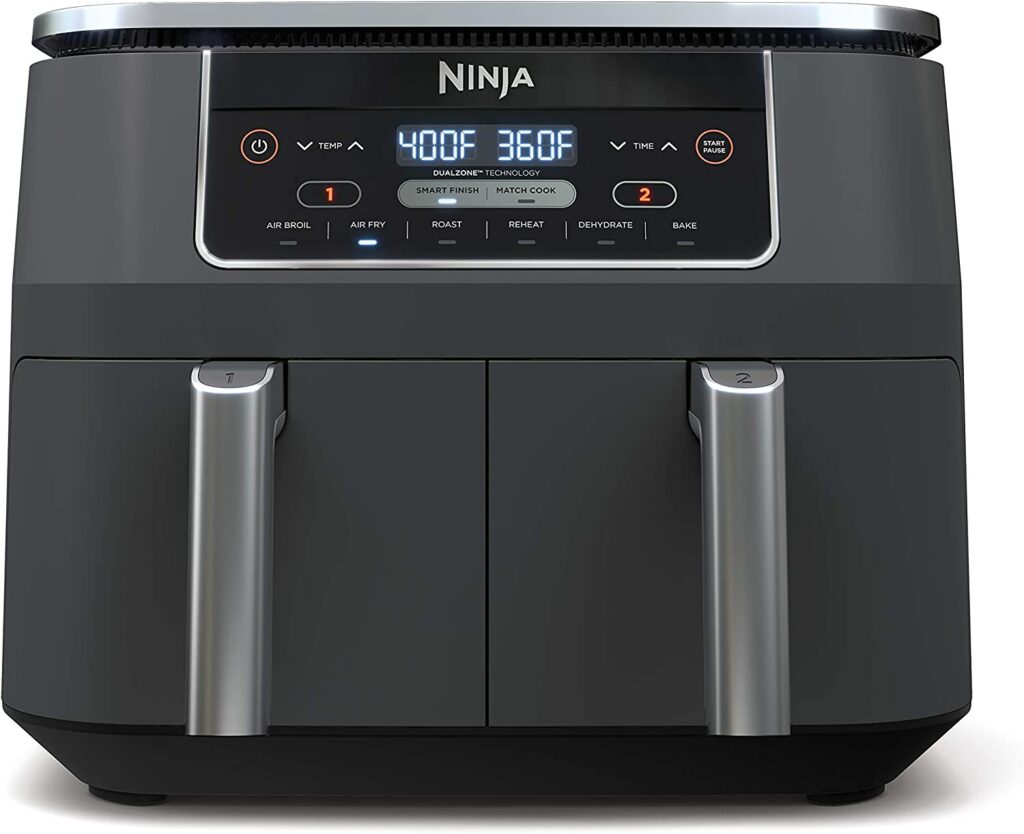
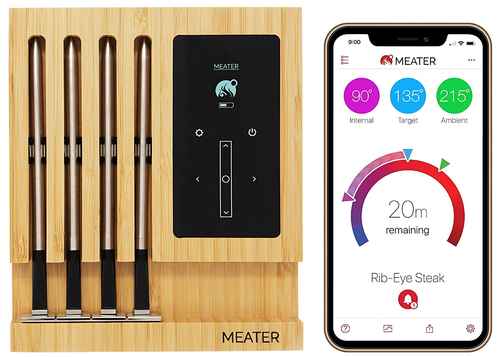
Turkey thighs are a flavorful, juicy, and often underappreciated part of the bird. Unlike the lean breast meat, turkey thighs have a higher fat content and richer connective tissue, which makes them perfect for slow cooking or roasting. However, air frying has revolutionized the way we cook poultry, allowing for crispy, golden skin and tender, moist meat in a fraction of the time. The air fryer’s rapid circulation of hot air mimics the results of deep-frying without the excess oil, making it a healthier alternative while preserving the full taste of the turkey. Cooking turkey thighs in an air fryer, however, requires attention to temperature, timing, and preparation to ensure the perfect balance of crunch and succulence.
Optimal Air Fryer Temperature To Cook Turkey Thighs In Air Fryer
The key to cooking turkey thighs in an air fryer is striking the right temperature balance. Set your air fryer to 375°F (190°C) for optimal results. This temperature is high enough to render the fat under the skin and produce a crispy exterior while allowing the interior meat to cook thoroughly without drying out. Temperatures above 400°F can cause the skin to brown too quickly and risk leaving the inner meat undercooked. On the other hand, temperatures below 350°F extend cooking time and may prevent the skin from crisping properly. Maintaining a steady, moderate heat ensures even cooking and a perfect golden-brown finish.
How Long To Cook Turkey Thighs In Air Fryer
Cooking time depends largely on the size and thickness of the thighs. As a general guideline:
- Boneless turkey thighs: 20-25 minutes
- Bone-in turkey thighs: 25-30 minutes
It’s best to flip the thighs halfway through cooking to ensure even browning on both sides. Remember that air fryers can vary slightly in heat distribution, so monitoring the process is essential. Larger, thicker thighs may require an additional 5-10 minutes, while smaller pieces may finish faster.
How To Tell If It Is Done
Properly cooked turkey thighs should reach an internal temperature of 165°F (74°C). Use a meat thermometer inserted into the thickest part of the thigh without touching the bone. The meat should be opaque and slightly firm, with juices running clear. If the skin is golden brown but the internal temperature is below 165°F, return it to the air fryer for additional time. Avoid cutting into the thigh prematurely, as this can release juices and result in dry meat.
Ingredients Needed
For a flavorful air-fried turkey thigh, you will need:
- 2-4 turkey thighs (bone-in or boneless)
- 1-2 tablespoons olive oil or melted butter
- 1 teaspoon salt
- 1 teaspoon black pepper
- 1 teaspoon garlic powder
- 1 teaspoon onion powder
- 1 teaspoon smoked paprika (optional for extra flavor)
- Fresh or dried herbs like thyme, rosemary, or sage (optional)
These ingredients provide a balance of savory, aromatic flavors that complement the rich taste of turkey thighs.
How To Cook Turkey Thighs In Air Fryer
- Preheat your air fryer to 375°F (190°C). Preheating ensures even cooking from the moment the turkey enters the basket.
- Prepare the turkey thighs by patting them dry with paper towels. Dry skin crisps better in the air fryer.
- Season the thighs with olive oil or butter, then rub with salt, pepper, garlic powder, onion powder, and paprika. Optionally, add herbs.
- Arrange the thighs in a single layer in the air fryer basket, leaving space between pieces to allow air circulation.
- Cook for 25-30 minutes (for bone-in) or 20-25 minutes (for boneless), flipping halfway through.
- Check doneness using a meat thermometer. If the temperature has reached 165°F, remove from the air fryer and let rest for 5-10 minutes before serving.
What If I Use A Different Air Fryer Temperature?
Adjusting the temperature will change the cooking dynamics significantly.
- Higher temperature (400-425°F): Skin will crisp faster, but the inside may not cook evenly. Frequent flipping and careful monitoring are required.
- Lower temperature (325-350°F): Meat cooks more gently, reducing the risk of over-browning but extending cooking time. Moisture retention is generally higher, producing tender meat but with less crispy skin.
Always rely on internal temperature rather than visual cues alone when deviating from the recommended 375°F.
What If I Use A Different Air Fryer Cooking Time?
Cooking time must be adjusted in tandem with temperature and thigh size.
- Shorter time: Meat may be undercooked and unsafe to eat.
- Longer time: Meat may dry out, and the skin may become overly dark or tough.
Use a meat thermometer to gauge doneness rather than relying solely on time. Flipping halfway helps ensure even browning regardless of the total time used.
When Things Go Wrong
Even with careful planning, problems can arise:
- Undercooked meat: Increase cooking time in 3-5 minute increments and check the internal temperature.
- Over-browned skin but raw inside: Lower the temperature slightly and cook longer to allow the interior to catch up.
- Dry meat: Turkey thighs should retain moisture due to fat content, but overcooking or skipping oil/butter can dry them. Letting meat rest for 5-10 minutes after cooking helps redistribute juices.
Air fryer models differ, so expect minor adjustments and take notes for next time.
Expert Tips
- Pat dry the skin before seasoning to ensure maximum crispiness.
- Brine the turkey thighs in a saltwater solution for 2-4 hours prior to cooking to enhance flavor and moisture retention.
- Flip halfway to promote even browning.
- Use a meat thermometer-don’t rely on cooking times alone.
- Avoid overcrowding the basket; air circulation is crucial for crisp skin.
- Rest the meat after cooking for 5-10 minutes; this locks in juices.
- Optional finishing glaze: Brush honey, maple syrup, or barbecue sauce in the last 3-5 minutes of cooking for added flavor.
FAQs
What Is The Ideal Temperature For Cooking Turkey Thighs In An Air Fryer?
The recommended temperature for cooking turkey thighs in an air fryer is 375°F (190°C). This temperature allows the meat to cook evenly while achieving a crispy exterior without drying out the inside.
How Long Does It Take To Cook Turkey Thighs In An Air Fryer?
Cooking turkey thighs in an air fryer typically takes 25-35 minutes, depending on the size and thickness of the thighs. It is important to flip the thighs halfway through cooking to ensure even browning.
Should I Marinate Or Season Turkey Thighs Before Air Frying?
Yes, seasoning or marinating turkey thighs before air frying enhances flavor and tenderness. Common options include a mixture of olive oil, garlic, paprika, salt, pepper, and herbs. Marinating for 1-4 hours or overnight can yield even juicier results.
Do I Need To Preheat The Air Fryer Before Cooking Turkey Thighs?
Preheating the air fryer is recommended for consistent cooking and optimal browning. Preheat the air fryer to 375°F (190°C) for 3-5 minutes before adding the turkey thighs.
How Can I Ensure Turkey Thighs Are Fully Cooked Without Overcooking?
The best way to ensure turkey thighs are fully cooked is by using a meat thermometer. The internal temperature should reach 165°F (74°C). This ensures the meat is safe to eat while remaining moist.
Can I Cook Frozen Turkey Thighs In An Air Fryer?
Yes, you can cook frozen turkey thighs, but it will take longer-typically 40-50 minutes. It’s recommended to thaw the thighs for more even cooking and better texture, though cooking from frozen is possible if necessary.
How Do I Keep Turkey Thighs Juicy When Air Frying?
To keep turkey thighs juicy, avoid overcooking and consider lightly coating them with oil or a marinade. Using the air fryer’s basket allows air circulation, so flipping the thighs halfway and checking the internal temperature prevents dryness.