
How To Cook Turkey Tips In Air Fryer [FULL GUIDE]
Recommended Equipments:
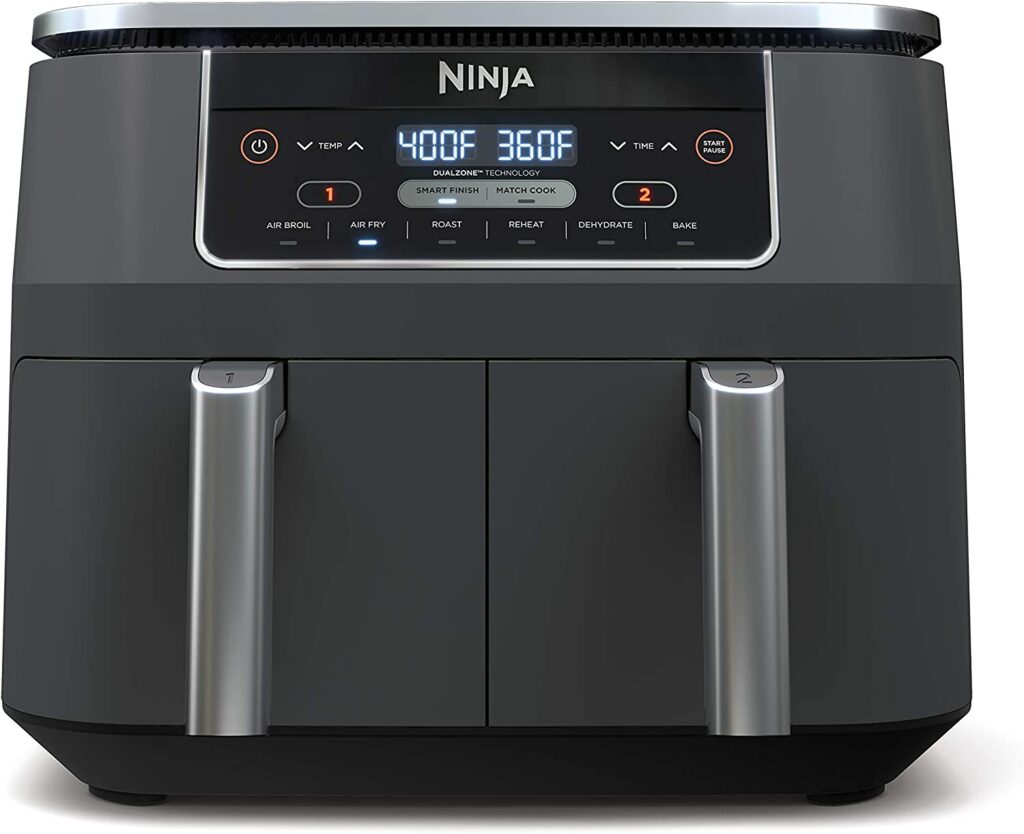
Cooking turkey tips in an air fryer is a culinary game-changer, blending convenience, speed, and flavor in a way that traditional roasting methods often cannot. Air fryers have transformed kitchens by allowing home cooks to achieve a crispy, golden-brown exterior while keeping the interior juicy and tender, all without excessive oil. Turkey tips, the flavorful and tender portions of turkey, are ideal for this method because they cook relatively quickly, making them perfect for weeknight dinners, holiday sides, or anytime you want a protein-packed, succulent dish without the hassle of a full roast. The key to success lies in understanding the interplay between temperature, cooking time, seasoning, and careful monitoring to achieve the perfect bite every time.
Optimal Air Fryer Temperature To Cook Turkey Tips In Air Fryer
Temperature is the cornerstone of air fryer success. Cooking turkey tips at the right heat ensures the meat stays juicy while developing a golden-brown, slightly crisped exterior. For most air fryers, a temperature range of 360°F to 375°F (182°C to 190°C) works best. This is high enough to achieve Maillard browning for flavor but not so high that the exterior burns before the interior is fully cooked.
If you prefer a slightly more charred or crispy finish, some cooks go as high as 400°F (204°C), but this requires close monitoring and occasional flipping to prevent drying. Conversely, lower temperatures (around 350°F) produce more evenly cooked, tender meat but take a little longer and may not give the same crispy texture. Understanding your specific air fryer model is crucial, as fan power and basket size can affect heat distribution.
How Long To Cook Turkey Tips In Air Fryer
Cooking time is heavily dependent on the size and thickness of the turkey tips. Generally, for pieces weighing around 1-2 ounces each:
- Small turkey tips (1-2 oz): 12-15 minutes
- Medium turkey tips (2-4 oz): 15-18 minutes
- Large turkey tips (4-6 oz): 18-22 minutes
It is essential to flip the tips halfway through cooking to ensure even browning and prevent one side from overcooking. Air fryers circulate hot air aggressively, which speeds up cooking, so err on the side of slightly undercooking initially-you can always return the tips for a minute or two if needed.
How To Tell If It Is Done
Turkey tips must reach a safe internal temperature to prevent foodborne illness, but there are also visual and tactile cues to check doneness:
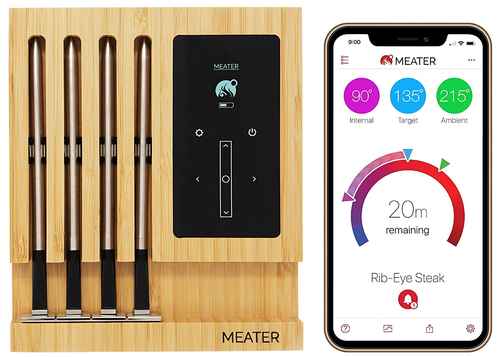
- Use a meat thermometer: The USDA recommends an internal temperature of 165°F (74°C) for poultry. Insert the thermometer into the thickest part of the tip without touching bone.
- Juices: When you pierce the tip, the juices should run clear, not pink or red.
- Texture: Fully cooked turkey tips will be firm but still slightly springy. Overcooked tips will feel dry and tough.
- Color: The exterior should be golden-brown with a slight crisp, while the interior should be opaque and white or light beige.
Using multiple cues together ensures you don’t overcook or undercook the meat.
Ingredients Needed
To cook perfectly seasoned turkey tips in an air fryer, you need:
- Turkey tips: 1-2 pounds, trimmed of excess fat
- Olive oil or cooking spray: 1-2 tablespoons, to help crisp the exterior
- Salt: 1 teaspoon (adjust to taste)
- Black pepper: ½ teaspoon
- Garlic powder: ½ teaspoon
- Paprika: 1 teaspoon (for color and flavor)
- Optional extras: Onion powder, dried herbs (thyme, rosemary), or a squeeze of lemon juice for brightness
These simple ingredients enhance the natural flavor of the turkey without overpowering it, while the light coating of oil ensures crispiness.
How To Cook Turkey Tips In Air Fryer
- Preheat your air fryer: Preheat to 360-375°F for 3-5 minutes.
- Prepare the turkey tips: Pat the tips dry with a paper towel. Coat them lightly with olive oil and season evenly with salt, pepper, garlic powder, paprika, and optional herbs.
- Arrange in the basket: Place the tips in a single layer, leaving small gaps between pieces to allow hot air to circulate. Avoid overcrowding.
- Cook in batches if necessary: Overcrowding leads to steaming rather than crisping.
- Flip halfway through: Cook for half the recommended time, then flip each tip for even browning.
- Check for doneness: Use a meat thermometer or visual cues as described above.
- Rest: Allow turkey tips to rest for 3-5 minutes before serving. This locks in juices and improves flavor.
What If I Use A Different Air Fryer Temperature?
Adjusting the air fryer temperature changes the cooking dynamics:
- Higher temperature (380-400°F): Cooks faster, creates a crisper exterior, but increases the risk of drying out the meat. Monitor carefully and consider reducing cooking time slightly.
- Lower temperature (320-350°F): Slower cooking preserves tenderness and juiciness but reduces browning. You may need to add a few extra minutes to reach the desired internal temperature.
Always use a thermometer when deviating from recommended temperatures to ensure safety and quality.
What If I Use A Different Air Fryer Cooking Time?
Time adjustments affect texture and moisture:
- Shorter time: May result in undercooked turkey, requiring additional cooking. Ensure internal temperature reaches 165°F.
- Longer time: Increases risk of dry, chewy meat. If tips look golden and crispy but are not fully cooked, reduce heat slightly rather than extending time at high temperature.
Frequent checks during cooking are the safest approach when experimenting with timing.
When Things Go Wrong
Even with care, things can occasionally go wrong:
- Dry turkey tips: Often caused by high heat or overcooking. Solution: reduce temperature and cook longer, or marinate for added moisture.
- Uneven cooking: Usually due to overcrowding or irregular tip sizes. Cook in batches or adjust tip sizes for uniformity.
- No crisp exterior: Ensure tips are lightly oiled and the basket is not overcrowded. Preheating the air fryer helps.
- Burnt tips: High temperature or sugar-based marinades can cause burning. Lower the temperature or brush sugary sauces at the end of cooking.
Expert Tips
- Pat dry before seasoning: Removes excess moisture and allows crisping.
- Flip halfway: Ensures even cooking and browning.
- Use a meat thermometer: The single most reliable way to ensure safety and perfection.
- Marinate for flavor and moisture: Even 30 minutes in a simple marinade of olive oil, lemon juice, and herbs can elevate taste.
- Rest before serving: Prevents juices from running out immediately, keeping the meat tender.
- Consider the air fryer basket size: Avoid overcrowding, which can lead to steaming instead of frying.
- Experiment with spice blends: Smoked paprika, cayenne, or dried herbs can enhance flavor without added fat.
FAQs
What Size Of Turkey Is Suitable For An Air Fryer?
Air fryers have limited capacity, so a small turkey or turkey breast of 4 to 8 pounds is ideal. Whole turkeys larger than 8 pounds may not cook evenly and might not fit in standard home air fryers.
Do I Need To Thaw The Turkey Before Air Frying?
Yes, the turkey should be completely thawed before cooking. Cooking a frozen or partially frozen turkey can result in uneven cooking, with the exterior overcooked while the interior remains undercooked.
Should I Season Or Marinate The Turkey Before Air Frying?
Seasoning or marinating the turkey enhances flavor and moisture. Use a dry rub, herbs, spices, or a light marinade. Avoid excessive liquid, as it can drip into the air fryer and cause smoke.
What Temperature And Cooking Time Are Recommended For Air Fryer Turkey?
For a small turkey or breast, preheat the air fryer to 325-350°F (160-175°C). Cook 13-15 minutes per pound, flipping halfway through for even browning. Always check internal temperature to ensure doneness.
How Do I Check If The Turkey Is Cooked Properly?
Use a meat thermometer to check the internal temperature. The turkey is safe to eat when it reaches 165°F (74°C) in the thickest part of the breast and 175°F (79°C) in the thigh. Avoid cutting too early to retain juices.
Do I Need To Baste The Turkey During Air Frying?
Basting is optional but can help maintain moisture. Lightly brush with melted butter or oil halfway through cooking. Avoid heavy basting or frequent opening, as it reduces air circulation and can extend cooking time.
How Do I Prevent The Turkey Skin From Burning In An Air Fryer?
To prevent burning, lightly coat the skin with oil and avoid high-sugar marinades. If the skin browns too quickly, cover it loosely with foil or lower the cooking temperature slightly to allow the interior to cook fully without over-browning.