How To Cook Vegetables In Air Fryer [FULL GUIDE]
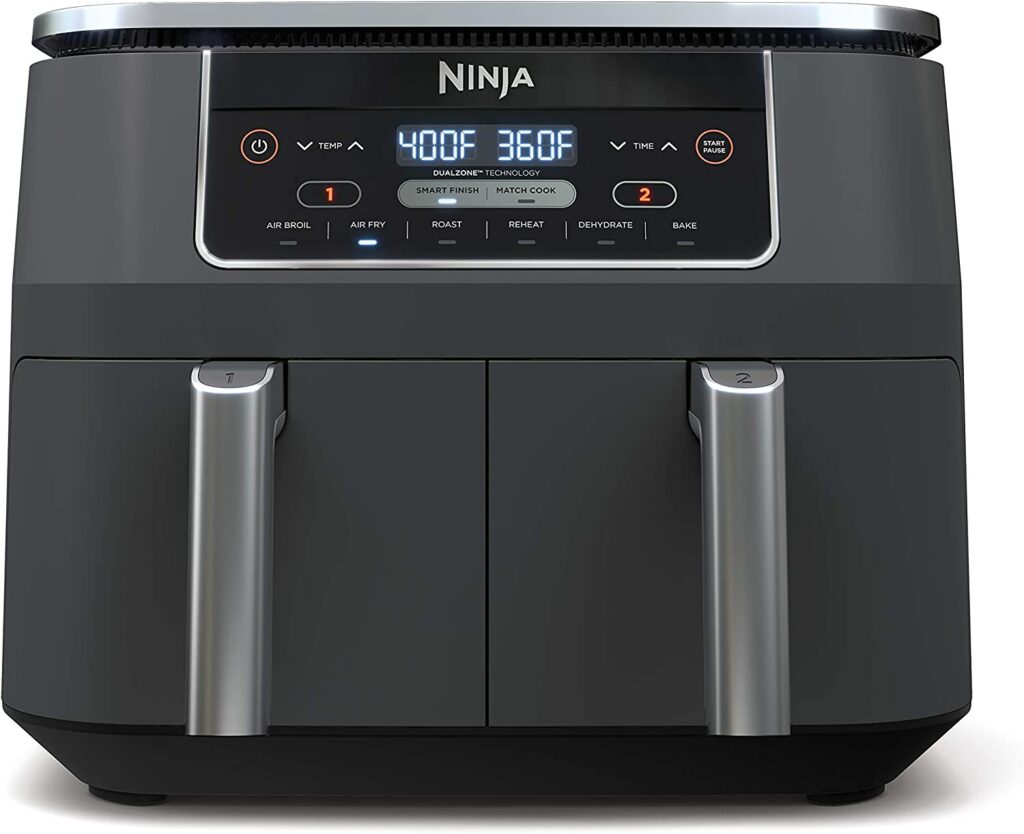
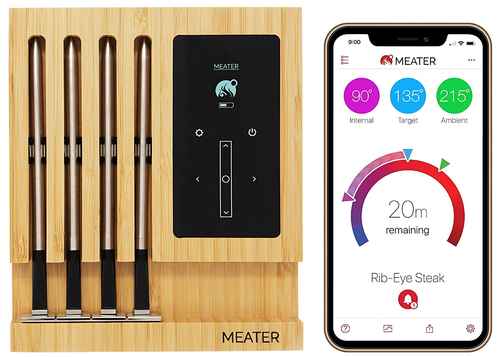
Recommended Equipments:
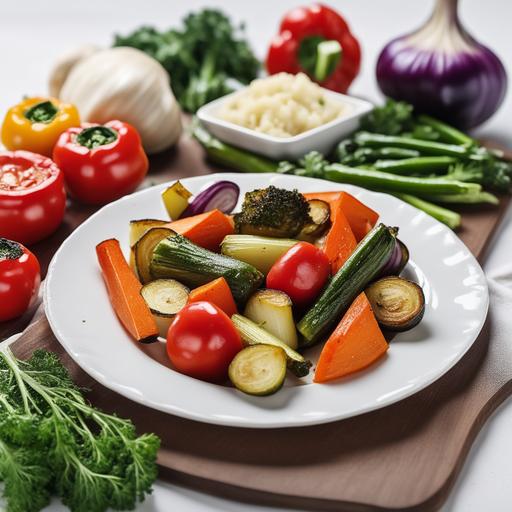
Air fryers have revolutionized home cooking by making it possible to achieve roasted, crisp, caramelized vegetables without the need for excessive oil or long cooking times. Compared to traditional oven-roasting, air-frying is faster, more energy-efficient, and delivers consistent results thanks to the rapid circulation of hot air. Whether you’re preparing weeknight veggies, batch-cooking for meal prep, or elevating a special dinner with beautifully textured sides, the air fryer offers unparalleled convenience and flavor.
This guide provides everything you need to know: ideal temperatures and timing, how to tell when vegetables are done, what to do if cooking conditions vary, how to troubleshoot, and expert-level techniques that bring out the best in your produce.
Optimal Air Fryer Temperature To Cook Vegetables In Air Fryer
The optimal temperature for cooking vegetables in the air fryer is 375°F (190°C).
This temperature is high enough to achieve a crisp, lightly charred exterior while keeping the inside tender. It encourages caramelization, enhances natural sweetness, and prevents vegetables from drying out or burning prematurely. Unlike oven-roasting, where temperatures may range widely depending on the vegetable, air fryers deliver consistent results at this mid-high temperature.
However, keep in mind that not all vegetables behave the same. Dense vegetables like carrots or potatoes require slightly longer cooking times, while delicate vegetables such as spinach or asparagus cook much faster. But 375°F remains the most reliable all-purpose starting point.
How Long To Cook Vegetables In Air Fryer
Cooking time varies depending on vegetable size, density, and cut. Below is a general guide for 375°F:
- Carrots (chunks or sticks): 15-20 minutes
- Broccoli florets: 8-12 minutes
- Cauliflower florets: 10-15 minutes
- Zucchini slices: 8-10 minutes
- Bell peppers (strips): 10-12 minutes
- Green beans: 10-12 minutes
- Brussels sprouts (halved): 15-18 minutes
- Mushrooms: 8-10 minutes
- Asparagus: 7-9 minutes
- Baby potatoes (halved): 18-22 minutes
Always shake or toss the vegetables halfway through to ensure even cooking and browning.
How To Tell If Vegetables Are Done
Air-fried vegetables should display three key signs:
-
Color Development
A light golden-brown or slightly caramelized surface indicates the sugars have developed properly.
-
Texture
They should be fork-tender on the inside but still have structure, not mushy. Firm vegetables like carrots or potatoes should yield gently when pierced.
-
Aroma
Done vegetables give off a warm, roasted aroma rather than a raw vegetal smell. Overcooked vegetables often smell overly charred or sulfurous.
If needed, taste one piece to ensure the center is fully cooked.
Ingredients Needed
- Fresh vegetables of your choice (washed, trimmed, cut evenly)
- Olive oil or your preferred cooking oil
- Salt
- Black pepper
- Optional seasonings: garlic powder, onion powder, smoked paprika, Italian seasoning, red pepper flakes, cumin, curry powder, lemon zest
- Optional finishing touches: balsamic glaze, fresh herbs, parmesan, fresh lemon juice
How To Cook Vegetables In Air Fryer
-
Prep The Vegetables
Wash, dry, and cut vegetables into similar-sized pieces to ensure uniform cooking.
-
Season
Toss vegetables with 1-2 teaspoons of oil and season with salt, pepper, and additional spices you enjoy. Light oil coating improves browning and prevents dryness.
-
Preheat The Air Fryer
Preheat to 375°F (190°C) for 3-5 minutes. Preheating helps kickstart caramelization.
-
Arrange In The Basket
Spread vegetables in a single layer. Overcrowding can lead to steaming rather than roasting.
-
Air Fry And Shake
Cook according to the time ranges above, shaking or stirring halfway through for even cooking.
-
Check For Doneness
Test with a fork and assess color and aroma.
-
Finish And Serve
Add any fresh herbs, citrus, cheese, or sauces immediately after cooking for maximum impact.
What If I Use A Different Air Fryer Temperature?
Changing the temperature can alter texture significantly:
-
Lower Than 375°F (325-350°F)
Vegetables will cook more slowly and may soften before browning, resulting in a tender but less crisp exterior.
-
Higher Than 375°F (400-425°F)
Browning happens faster, sometimes too fast. Dense vegetables may char before the centers soften. This can be useful for thin or delicate vegetables but requires close monitoring.
If you change the temperature, adjust the cooking time accordingly and check frequently to avoid burning.
What If I Use A Different Air Fryer Cooking Time?
Cooking time greatly influences texture:
-
Shorter Times
Vegetables will be firmer, less caramelized, and may still taste raw in the center.
-
Longer Times
You may achieve deeper browning, but an extra 3-5 minutes can turn crisp vegetables into dry or burnt ones, especially with thin-cut items.
If adjusting the time, monitor the vegetables during the last few minutes of cooking. The air fryer environment changes quickly, so timing is more sensitive than in a standard oven.
When Things Go Wrong
Common mistakes include:
-
Vegetables Turning Mushy
Often caused by overcrowding the basket, over-oiling, or using too low a temperature.
-
Vegetables Burning
Typically from cooking at too high a temperature or cutting vegetables too small. Reduce heat or size accordingly.
-
Uneven Cooking
Caused by skipping the halfway shake or mixing vegetables of vastly different densities in one batch.
-
Dry Texture
May result from insufficient oil or overcooking. Add a small drizzle of oil or a squeeze of lemon before serving.
Expert Tips
- Use minimal oil but don’t skip it. A light coating improves crispness and prevents dried-out edges.
- Cut vegetables uniformly to ensure consistent cooking.
- Combine vegetables strategically. Pair vegetables with similar densities; for example, carrots and potatoes together, but not asparagus with baby potatoes.
- Shake the basket frequently. This exposes more surface area to circulating heat and improves browning.
- Add seasonings after air frying when appropriate. Herbs, citrus, and cheeses can burn if added too early.
- Use parchment paper with holes for delicate vegetables. It prevents sticking while still allowing airflow.
- Keep the basket clean. Excess residue can smoke or affect flavor.
FAQs
What Types Of Vegetables Can I Cook In An Air Fryer?
Most vegetables can be cooked in an air fryer, including broccoli, cauliflower, carrots, zucchini, bell peppers, green beans, Brussels sprouts, and potatoes. Root vegetables and denser vegetables may require slightly longer cooking times, while softer vegetables may cook faster.
Do I Need To Preheat The Air Fryer Before Cooking Vegetables?
Preheating the air fryer is recommended for even cooking, especially for denser vegetables. Typically, preheating for 3-5 minutes at the desired cooking temperature ensures the vegetables start cooking immediately and helps achieve a crisp exterior.
How Should I Prepare Vegetables For The Air Fryer?
Wash and thoroughly dry the vegetables to prevent excess moisture. Cut them into uniform sizes to ensure even cooking. Toss the vegetables lightly with oil and seasonings, but avoid overcoating, as too much oil can cause sogginess.
What Is The Recommended Temperature And Time For Cooking Vegetables In An Air Fryer?
Cooking times and temperatures vary by vegetable. Generally, set the air fryer to 350°F-400°F (175°C-200°C). Softer vegetables may cook in 8-12 minutes, while denser vegetables like potatoes or carrots may take 15-20 minutes. Shake or stir halfway through for even browning.
How Do I Prevent Vegetables From Sticking To The Air Fryer Basket?
Lightly coat the basket with a thin layer of oil or use parchment paper designed for air fryers. Ensure vegetables are not overcrowded, as proper air circulation is essential for crispness. Tossing the vegetables halfway through cooking also reduces sticking.
Can I Cook Frozen Vegetables In An Air Fryer?
Yes, frozen vegetables can be cooked directly in the air fryer without thawing. Reduce the cooking time slightly compared to fresh vegetables, and toss them halfway through. Adding a light spray of oil can improve texture and flavor.
How Do I Know When Vegetables Are Done In The Air Fryer?
Vegetables are done when they are tender inside and have a golden-brown, slightly crisp exterior. Test doneness with a fork or knife, and adjust cooking time if needed. Different vegetables and cuts may require minor adjustments in time and temperature.