
How To Dehydrate Lemons In Air Fryer [FULL GUIDE]
Recommended Equipments:
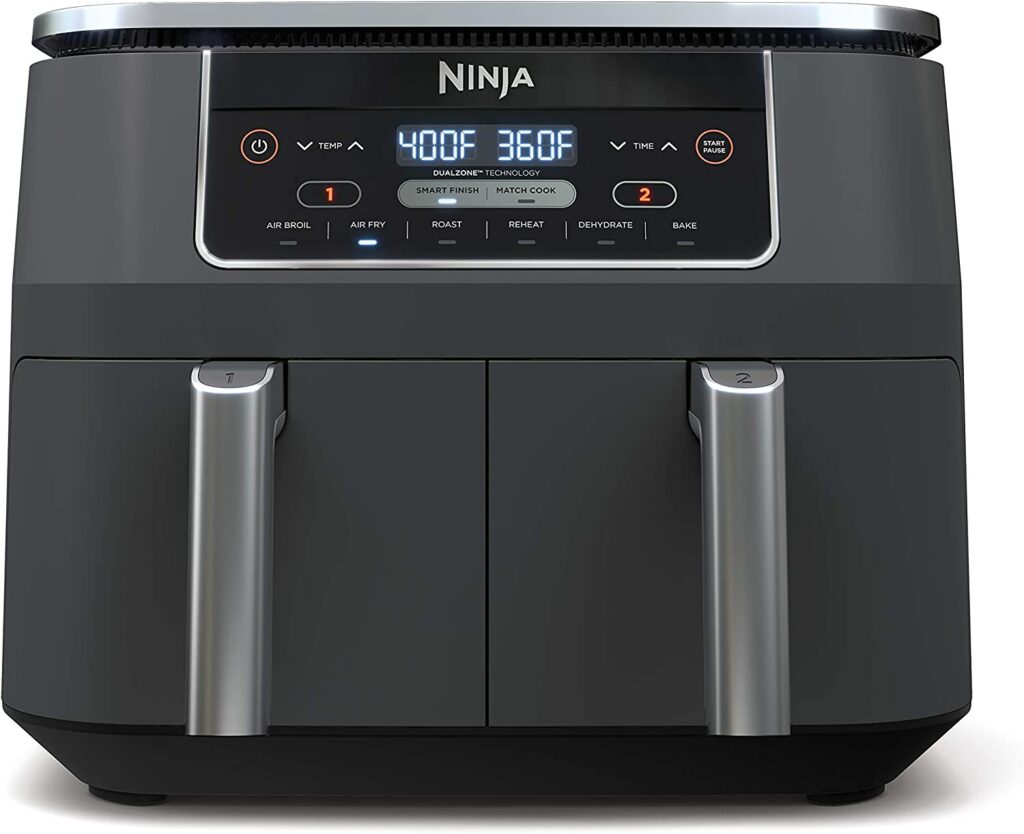
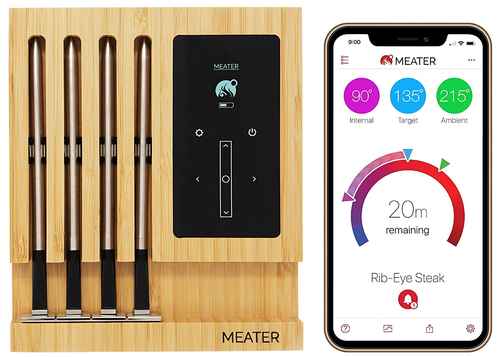
Dehydrating lemons in an air fryer is a surprisingly simple yet transformative process that turns fresh, zesty fruit into intensely flavorful, shelf-stable slices. The concentrated tang of lemon can enhance teas, cocktails, baked goods, and savory dishes, while the vibrant yellow slices add a decorative touch to your culinary creations. Unlike traditional oven dehydration, the air fryer uses rapid, circulating hot air to remove moisture evenly, preserving flavor, aroma, and even a slight chewiness if desired. Understanding the right temperature, timing, and technique is crucial to achieve perfectly dehydrated lemons without bitterness or burning.
Optimal Air Fryer Temperature To Dehydrate Lemons In Air Fryer
Temperature control is the cornerstone of successful lemon dehydration. The ideal air fryer temperature is around 125°F to 135°F (52°C to 57°C). This low, steady heat allows the water content in the lemons to evaporate slowly, concentrating flavor without scorching the delicate citrus oils in the peel. If your air fryer does not have precise low-temperature settings, aim for the lowest possible setting and monitor frequently. High temperatures, although tempting for speed, can cause the sugars in the lemon to caramelize prematurely, creating a bitter taste and darkened, unappealing slices.
How Long To Dehydrate Lemons In Air Fryer
Dehydration time is influenced by slice thickness, lemon variety, and air fryer efficiency. Thin slices, about 1/8 inch thick, typically require 2 to 4 hours, while thicker slices may take up to 5 hours. It’s essential to rotate the basket or tray every 30-45 minutes for uniform drying. The key is patience: rushing the process by increasing heat or stacking slices will result in unevenly dehydrated lemons or soggy centers.
How To Tell If It Is Done
Properly dehydrated lemons should be completely dry but still slightly flexible, not sticky or leathery. The rind will feel firm, and the flesh should snap easily when bent. Any residual moisture can lead to mold during storage, so checking the texture and appearance is critical. A simple test is to press a slice gently between your fingers-if it bends without releasing liquid, it’s ready. For ultimate confidence, let slices cool to room temperature; fully dried lemons will remain dry and slightly crisp, not tacky.
Ingredients Needed
Dehydrating lemons is beautifully simple because it requires only one ingredient:
- Fresh lemons – choose firm, unblemished lemons with vibrant yellow skins. Organic lemons are ideal since the peel will remain on and be consumed in its dehydrated form.
Optional additions to enhance flavor:
- A light dusting of sugar or cinnamon (if using for teas or desserts)
- A pinch of sea salt (if using for savory dishes)
How To Dehydrate Lemons In Air Fryer
- Wash and dry the lemons thoroughly to remove wax and dirt.
- Slice thinly, around 1/8 inch thick, ensuring even thickness for uniform dehydration.
- Optional: Remove seeds to avoid bitterness.
- Arrange slices in a single layer in the air fryer basket, ensuring slices do not overlap.
- Set the temperature to 125-135°F (52-57°C).
- Dehydrate for 2-5 hours, checking periodically and flipping slices halfway for even drying.
- Cool completely before storing.
- Store in airtight containers in a cool, dry place for up to six months.
What If I Use A Different Air Fryer Temperature?
Raising the temperature above 135°F will speed up dehydration but risks:
- Caramelizing natural sugars, creating bitterness
- Uneven drying with scorched edges and moist centers
- Loss of vibrant yellow color and bright lemon flavor
Lowering the temperature below 120°F will extend drying time but can yield more evenly dried slices with better flavor retention-perfect if you have time and want the highest quality result.
What If I Use A Different Air Fryer Cooking Time?
Shortening the cooking time leads to under-dehydrated slices, which can harbor bacteria and spoil quickly. Conversely, overextending the cooking time can make lemons overly brittle, almost powdery, and can intensify bitterness. The goal is a balance-firm, dry, and flavorful slices without overcooking.
When Things Go Wrong
Common pitfalls and how to correct them:
- Mushy slices: Caused by overlapping slices or insufficient drying time. Remedy: remove slices, separate, and continue dehydration.
- Bitter or darkened slices: Caused by high heat. Remedy: reduce temperature and check frequently next time.
- Moldy lemons: Usually due to residual moisture before storage. Remedy: ensure complete dehydration and store in airtight containers.
Expert Tips
- Use a mandoline slicer for perfectly even slices-consistency is crucial for uniform drying.
- Rotate or flip slices every 30-45 minutes to prevent uneven dehydration.
- Keep the air fryer door slightly ajar (if your model allows) to allow moisture to escape more effectively.
- Consider pre-treating slices with a light lemon juice spray to prevent browning, though this may slightly increase drying time.
- Store dried slices with a silica gel packet to maintain dryness over months.
FAQs
What Is The Best Way To Prepare Lemons For Dehydrating In An Air Fryer?
To prepare lemons for dehydrating, wash them thoroughly and pat dry. Slice them evenly, ideally 1/8 to 1/4 inch thick, to ensure uniform drying. Remove any seeds to prevent bitterness and arrange the slices in a single layer in the air fryer basket, avoiding overlap.
At What Temperature Should I Dehydrate Lemons In An Air Fryer?
The recommended temperature for dehydrating lemons in an air fryer is between 135°F (57°C) and 145°F (63°C). If your air fryer does not allow precise low-temperature control, use the lowest available setting and monitor the drying process closely.
How Long Does It Take To Dehydrate Lemons In An Air Fryer?
Dehydrating lemon slices in an air fryer typically takes 2 to 4 hours, depending on the thickness of the slices and the moisture content. Check the lemons periodically; they should be completely dry, firm, and slightly leathery or crisp when done.
Do I Need To Flip The Lemon Slices While Dehydrating In An Air Fryer?
Yes, flipping the lemon slices halfway through the dehydration process promotes even drying. Air fryers can have hot spots, so turning the slices ensures both sides dry evenly and reduces the risk of burning.
Can I Dehydrate Lemon Zest In An Air Fryer As Well?
Yes, lemon zest can be dehydrated in an air fryer. Spread the zest in a thin, even layer on the basket or a small tray, and use a lower temperature around 120°F (49°C) to 130°F (54°C). The process usually takes 30 minutes to 1 hour, and the zest should be crisp and dry before storage.
How Should Dehydrated Lemon Slices Be Stored?
Store fully dehydrated lemon slices in an airtight container in a cool, dark place to maintain flavor and prevent moisture absorption. Properly dehydrated and stored lemons can last 6 to 12 months. For longer preservation, vacuum sealing or storing in the refrigerator or freezer is recommended.
What Are Common Uses For Air-fryer Dehydrated Lemons?
Air-fryer dehydrated lemons can be used in teas, cocktails, baked goods, or as a garnish for savory dishes. They can also be ground into lemon powder for seasoning or incorporated into homemade spice blends. The concentrated flavor adds brightness to both sweet and savory recipes.