
How To Dehydrate Morel Mushrooms In Air Fryer [FULL GUIDE]
Recommended Equipments:
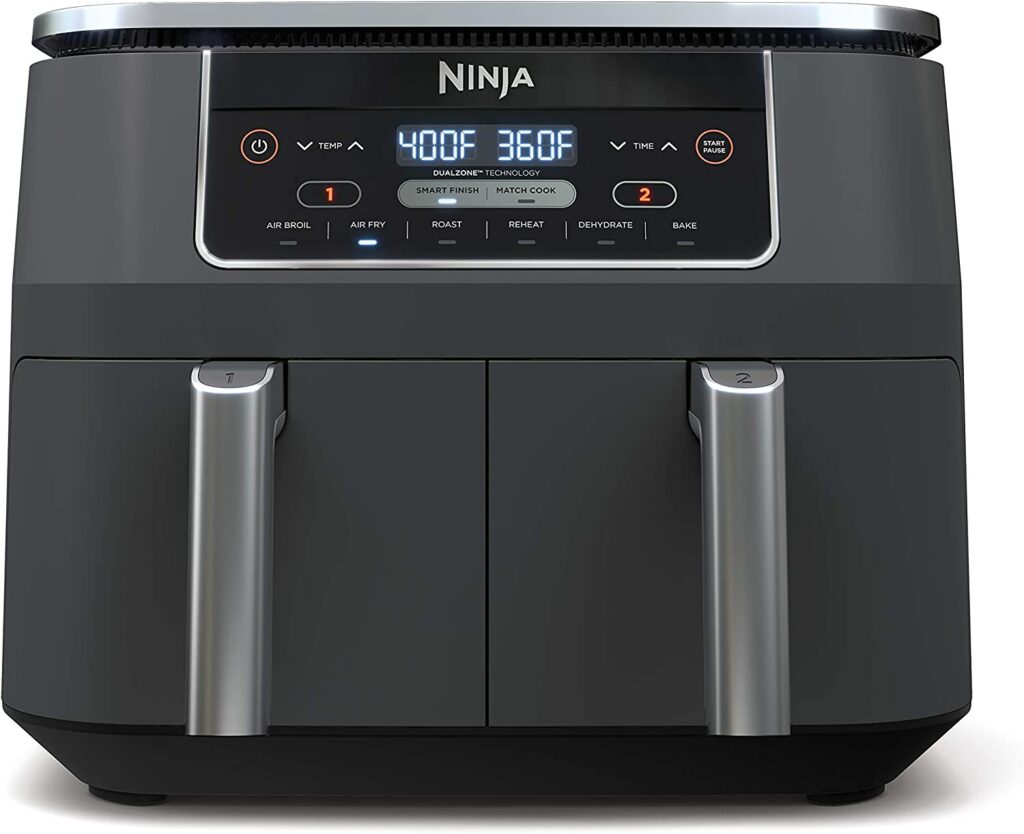
Morel mushrooms are prized for their earthy, nutty flavor and their unique, spongy texture. Known as one of the most sought-after wild mushrooms, morels are highly perishable, making proper storage essential. Dehydration is a highly effective method to preserve these fungi while intensifying their rich flavors. Traditionally, morels are dried using low-temperature ovens or specialized dehydrators, but with the growing popularity of air fryers, they have become a convenient alternative for home cooks seeking a quicker, energy-efficient, and straightforward method. Air frying not only speeds up the drying process but also helps retain the delicate aroma and flavor of morels, provided you understand the optimal temperature, timing, and handling techniques.
Optimal Air Fryer Temperature To Dehydrate Morel Mushrooms In Air Fryer
The temperature is critical when dehydrating morel mushrooms. Too high a heat can burn the delicate caps, while too low may leave them improperly dried, encouraging mold growth during storage. The ideal air fryer temperature for dehydrating morels lies in the 120°F to 140°F (49°C to 60°C) range. This low-temperature setting allows for a gentle removal of moisture without damaging the intricate structure of the mushroom or compromising its flavor.
Maintaining consistent airflow is also essential. Air fryers circulate hot air rapidly, which speeds up moisture removal. However, if the temperature spikes or if mushrooms are crowded, uneven drying may occur. For best results, ensure that the mushrooms are arranged in a single layer without overlapping, giving each piece maximum exposure to the circulating heat.
How Long To Dehydrate Morel Mushrooms In Air Fryer
The drying time can vary depending on mushroom size, thickness, and initial moisture content. On average, dehydrating morels in an air fryer takes 2 to 4 hours. Thicker or larger morels will naturally require more time, while smaller pieces may finish closer to the 2-hour mark.
It’s recommended to check the mushrooms periodically-about every 30-45 minutes-to ensure even drying. Rotating or flipping them midway can help prevent uneven moisture retention and over-drying on one side.
How To Tell If It Is Done
Determining doneness is as much an art as a science. Properly dehydrated morel mushrooms should exhibit the following characteristics:
- Texture: They should feel dry, crisp, and brittle, snapping easily when bent. Any softness indicates residual moisture.
- Appearance: The mushroom should shrink slightly but retain its signature honeycomb structure.
- Weight: A noticeable reduction in weight, often around 75-80% less than fresh mushrooms, indicates effective dehydration.
- No Moisture: Breaking a thicker mushroom in half should reveal no water droplets inside.
Avoid leaving the mushrooms partially dried; residual moisture can lead to mold during storage.
Ingredients Needed
For dehydrating morel mushrooms in an air fryer, simplicity is key:
- Fresh morel mushrooms (as many as your air fryer can comfortably fit in a single layer)
- Optional: Light brushing of neutral oil (only if you intend to roast flavors slightly, though traditional dehydration uses no oil)
- Clean kitchen towel or paper towels for initial drying
How To Dehydrate Morel Mushrooms In Air Fryer
- Clean the Morels: Gently rinse or brush off dirt. Avoid soaking them, as excess water will increase drying time. Pat dry thoroughly.
- Trim the Stems: Cut away any tough or woody stem ends. Smaller pieces dry more evenly.
- Arrange in Air Fryer: Place the mushrooms in a single layer, ensuring they are not overlapping. This ensures consistent airflow.
- Set Temperature and Timer: Preheat your air fryer to 130°F (54°C) and start with 2 hours, checking periodically.
- Rotate if Needed: Flip the mushrooms halfway through to promote even dehydration.
- Check for Doneness: Confirm they are dry, crisp, and brittle. If not, continue drying in 15-30 minute increments.
- Cool and Store: Allow mushrooms to cool completely before storing in an airtight container. Use vacuum-sealed bags or glass jars to maximize shelf life.
What If I Use A Different Air Fryer Temperature?
- Higher Temperatures (150°F+ / 65°C+): Mushrooms may dry faster, but you risk browning, uneven drying, and loss of delicate flavor.
- Lower Temperatures (<120°F / 49°C): Drying will be very slow and could lead to microbial growth before the mushrooms are fully dried.
The sweet spot remains 120-140°F, balancing efficiency and quality.
What If I Use A Different Air Fryer Cooking Time?
- Shorter Time: Mushrooms will remain partially moist and may develop mold during storage.
- Longer Time: Over-drying can make them extremely brittle, which may affect texture in rehydration and culinary use.
Adjusting time should always be paired with careful monitoring to achieve uniform dryness.
When Things Go Wrong
Even with careful attention, problems may arise:
- Mushrooms Are Soft or Moldy: They were not dried long enough or at a consistent temperature. Discard any moldy ones.
- Burned or Bitter Mushrooms: Temperature was too high. Next time, lower the heat and monitor closely.
- Uneven Drying: Likely overcrowding. Use smaller batches for uniform results.
Expert Tips
- Slice Larger Morels: Cutting thick mushrooms in half exposes the interior to airflow, speeding up drying.
- Use a Rack: Elevate mushrooms above the air fryer basket to allow maximum air circulation.
- Cool Before Storing: Moisture trapped from heat can cause condensation and spoilage.
- Test Storage: Place dried mushrooms in a sealed container for a few days. If any condensation appears, return to the air fryer for further drying.
- Label and Date: Properly store and label to maintain flavor and avoid old stock.
FAQs
Can I Dehydrate Morel Mushrooms In An Air Fryer?
Yes, you can dehydrate morel mushrooms in an air fryer. Air fryers with a dehydration or low-temperature setting are ideal. The process removes moisture while preserving flavor and nutrients, making them suitable for long-term storage.
What Is The Best Temperature To Dehydrate Morel Mushrooms In An Air Fryer?
The optimal temperature for dehydrating morel mushrooms in an air fryer is typically between 120°F and 140°F (50°C-60°C). Maintaining a low, consistent temperature ensures the mushrooms dry evenly without burning or losing delicate flavors.
How Long Does It Take To Dehydrate Morel Mushrooms In An Air Fryer?
Dehydration time depends on mushroom size, moisture content, and air fryer model. Generally, it takes 2 to 4 hours. Checking the mushrooms periodically and flipping them halfway through ensures even drying.
Should I Clean Morel Mushrooms Before Dehydrating Them In An Air Fryer?
Yes, gently clean morel mushrooms to remove dirt, grit, and insects. Avoid soaking them in water, as they can absorb excess moisture. Use a soft brush or a damp cloth to clean the surface before slicing and dehydrating.
Do I Need To Slice Morel Mushrooms Before Dehydrating In An Air Fryer?
Slicing morel mushrooms into uniform pieces helps them dehydrate more evenly and reduces overall drying time. Smaller, thinner pieces dry faster, while whole mushrooms may take longer and risk uneven dehydration.
How Should I Store Air-dried Morel Mushrooms?
Store fully dehydrated morel mushrooms in an airtight container, preferably in a cool, dark, and dry place. Properly stored mushrooms can last 6 months to a year. For extended storage, consider vacuum-sealing or keeping them in the freezer.
Can I Rehydrate Air-fried Dehydrated Morel Mushrooms For Cooking?
Yes, you can rehydrate dehydrated morel mushrooms by soaking them in warm water, broth, or milk for 20-30 minutes until they regain a pliable texture. The soaking liquid can be used as a flavorful addition to soups, sauces, or risottos.