
How To Dehydrate Orange Slices In Air Fryer [FULL GUIDE]
Recommended Equipments:
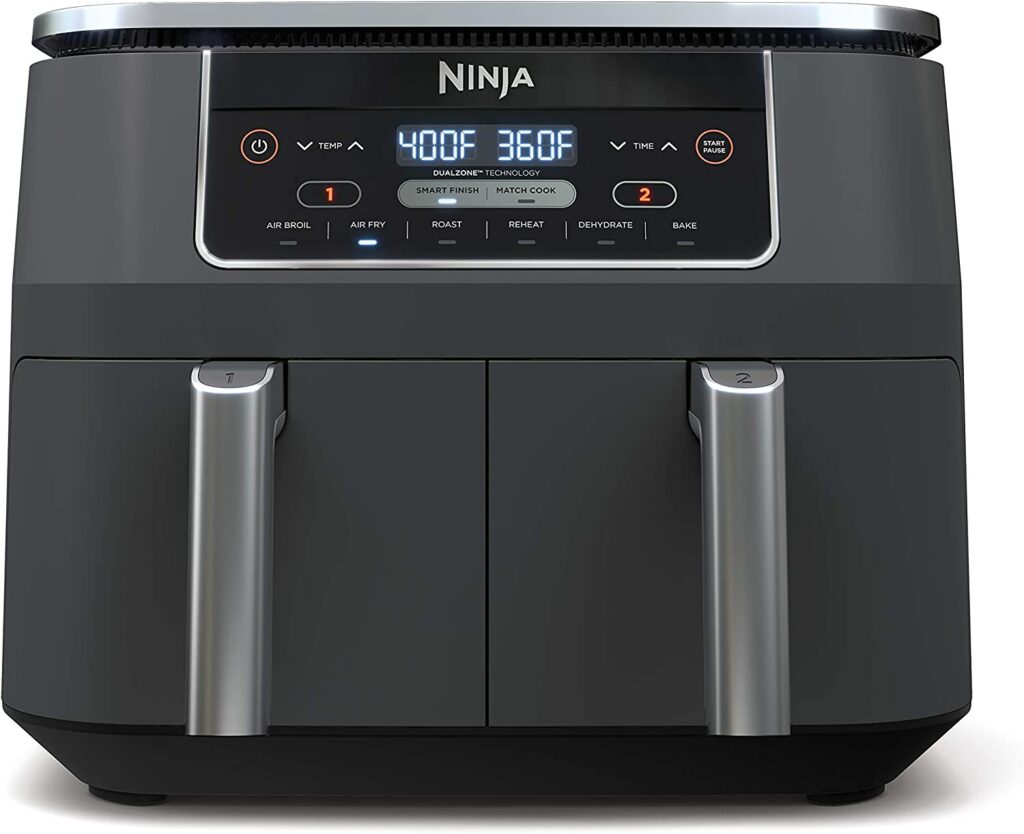
Dehydrating orange slices is a simple yet rewarding culinary technique that transforms ordinary fruit into a versatile, long-lasting ingredient. Perfect for snacks, garnishes, teas, cocktails, or even holiday decorations, dehydrated orange slices retain the citrusy aroma and concentrated sweetness of fresh oranges while offering a chewy or crisp texture depending on your preference. Using an air fryer to dehydrate oranges has become increasingly popular because it combines the efficiency of convection heat with precise temperature control, reducing the time traditionally required in a conventional oven or food dehydrator. With this method, you can achieve evenly dried slices that are visually appealing, aromatic, and flavorful, all while preserving the natural sugars and essential oils in the fruit.
Optimal Air Fryer Temperature To Dehydrate Orange Slices In Air Fryer
The key to perfectly dehydrated orange slices is low, steady heat. In an air fryer, the optimal temperature generally falls between 120°F and 140°F (49°C to 60°C). Setting the temperature too high risks caramelizing the sugars too quickly, resulting in burnt edges, uneven dehydration, or a bitter taste. Conversely, a temperature that is too low can extend the drying process unnecessarily, potentially leading to unevenly dried slices that retain excess moisture in the center.
A good starting point is 135°F (57°C), which balances gentle heat with effective dehydration. Many modern air fryers offer ’dehydrate’ presets that hover around this range. However, if your air fryer lacks this setting, manually adjusting to the lower end of the temperature spectrum ensures that the slices dry gradually without losing flavor or developing an overly tough texture.
How Long To Dehydrate Orange Slices In Air Fryer
Dehydration time varies depending on slice thickness, water content in the oranges, and the efficiency of your air fryer. Typically:
- Thin slices (1/8 inch or 3 mm): 2 to 3 hours
- Medium slices (1/4 inch or 6 mm): 3 to 4 hours
- Thicker slices (1/2 inch or 12 mm): 4 to 5 hours
Unlike conventional cooking, dehydration requires patience. It is better to check intermittently toward the end of the estimated time rather than rushing the process, as moisture trapped inside thicker slices can lead to spoilage if not fully dehydrated.
How To Tell If It Is Done
Knowing when orange slices are fully dehydrated is crucial. Indicators include:
- Texture: The slices should be dry and firm to the touch but not brittle unless you desire a crisp finish. They may still retain slight pliability in the center.
- Appearance: Dehydrated slices typically appear darker and translucent, with the juice sacs no longer swollen.
- Weight: Fully dried slices are significantly lighter than their fresh counterparts.
- Taste test: If slightly chewy yet not moist or sticky, your slices are ready for storage.
Cutting into one slice to inspect the center is a practical method to ensure even dehydration, especially for thicker slices.
Ingredients Needed
You only need two essential ingredients:
- Fresh oranges: Navel, Valencia, or blood oranges work well. Choose firm, ripe fruit for maximum sweetness and flavor.
- Optional: A light sprinkle of sugar, cinnamon, or honey for added flavor before dehydration, though this is entirely optional.
That’s it-no oils, no preservatives. The natural sweetness of the fruit will intensify as it dries.
How To Dehydrate Orange Slices In Air Fryer
- Preparation: Wash the oranges thoroughly to remove any wax or pesticides. Slice them evenly, ideally 1/8 to 1/4 inch thick. Removing seeds is optional but recommended.
- Optional flavoring: Lightly sprinkle slices with sugar, cinnamon, or a hint of salt if desired.
- Arrange in air fryer: Place the slices in a single layer on the air fryer basket or tray. Avoid overlapping slices to allow proper air circulation.
- Set temperature and time: Preheat the air fryer to 135°F (57°C). Dehydrate slices according to thickness (2-5 hours).
- Check periodically: Flip slices halfway through for even drying. Use tongs or a fork to handle slices gently.
- Cooling and storage: Once dried, allow slices to cool completely. Store in an airtight container in a cool, dry place.
What If I Use A Different Air Fryer Temperature?
- Higher temperature (above 150°F/65°C): The slices may brown unevenly or caramelize, losing the bright citrus flavor. Faster drying also increases the risk of crisp edges while the center remains moist.
- Lower temperature (below 120°F/49°C): Dehydration will take longer, increasing the risk of uneven drying or bacterial growth if moisture persists.
Adjusting temperature is possible but requires careful monitoring of texture and appearance throughout the process.
What If I Use A Different Air Fryer Cooking Time?
- Shorter time: Slices may remain partially wet and prone to mold if stored.
- Longer time: Over-drying can result in hard, brittle slices that lack chewiness and flavor.
For best results, stick within the recommended dehydration window and check slices toward the end for optimal texture.
When Things Go Wrong
Common issues and solutions include:
- Uneven drying: Ensure slices are evenly cut and arranged without overlapping. Consider rotating the tray or flipping slices halfway.
- Burning or browning: Lower the temperature and increase drying time.
- Sticky or moist centers: Slice thinner or extend dehydration slightly. Residual moisture may lead to mold if stored improperly.
Patience is key; dehydration is a slow process that cannot be rushed without sacrificing quality.
Expert Tips
- Uniform slicing: A mandoline slicer ensures even thickness, leading to consistent drying.
- Air circulation: Avoid overcrowding. If necessary, dehydrate in batches.
- Pre-treatment for color: Briefly blanching slices in lemon water preserves the bright orange color and prevents browning.
- Storage: Store fully cooled slices in airtight glass jars or vacuum-sealed bags to maintain flavor and prevent moisture absorption.
- Creative uses: Sprinkle over salads, add to teas, bake into desserts, or use as a decorative garnish for drinks.
FAQs
What Type Of Oranges Are Best For Dehydrating In An Air Fryer?
Navel oranges or Valencia oranges are ideal for dehydrating in an air fryer due to their lower seed count and consistent sweetness. Blood oranges can also be used for a visually striking result. Avoid overly large or very juicy oranges as they may take longer to dehydrate and could produce uneven results.
How Should I Prepare Orange Slices Before Dehydrating Them?
Wash the oranges thoroughly and remove any wax coating. Slice them evenly, preferably 1/8 to 1/4 inch thick, to ensure uniform dehydration. You can remove seeds, but leaving them in is optional. Pat the slices dry with a paper towel to reduce excess moisture.
What Temperature Should I Use In An Air Fryer To Dehydrate Orange Slices?
Set the air fryer to a low temperature between 125°F to 135°F (50°C to 57°C) if your model allows precise control. If not, use the lowest available setting. Dehydrating at too high a temperature can cook the fruit rather than drying it.
How Long Does It Take To Dehydrate Orange Slices In An Air Fryer?
Dehydration typically takes between 2 to 4 hours, depending on slice thickness, air fryer model, and humidity. Flip the slices halfway through the process to ensure even drying. Check periodically to prevent over-drying or burning.
Do I Need To Use Any Oil Or Sugar When Dehydrating Orange Slices?
No oil is necessary, as the goal is to remove moisture. Adding sugar is optional if you want candied slices, but plain orange slices will dehydrate naturally and retain their flavor. Sprinkling a small amount of salt is not recommended as it can affect taste and texture.
How Do I Know When The Orange Slices Are Fully Dehydrated?
The slices should be leathery and slightly pliable, with no wet spots or sticky areas. They may still retain some color but should feel dry to the touch. Over-drying can make them brittle, so check periodically during the final stages.
How Should I Store Dehydrated Orange Slices For Long-term Use?
Store completely cooled orange slices in an airtight container, preferably in a cool, dark place. For longer shelf life, vacuum-sealed bags or glass jars with tight lids are recommended. Properly dehydrated and stored slices can last 6 to 12 months.