
How To Make Crispy Grilled Cheese In Air Fryer [FULL GUIDE]
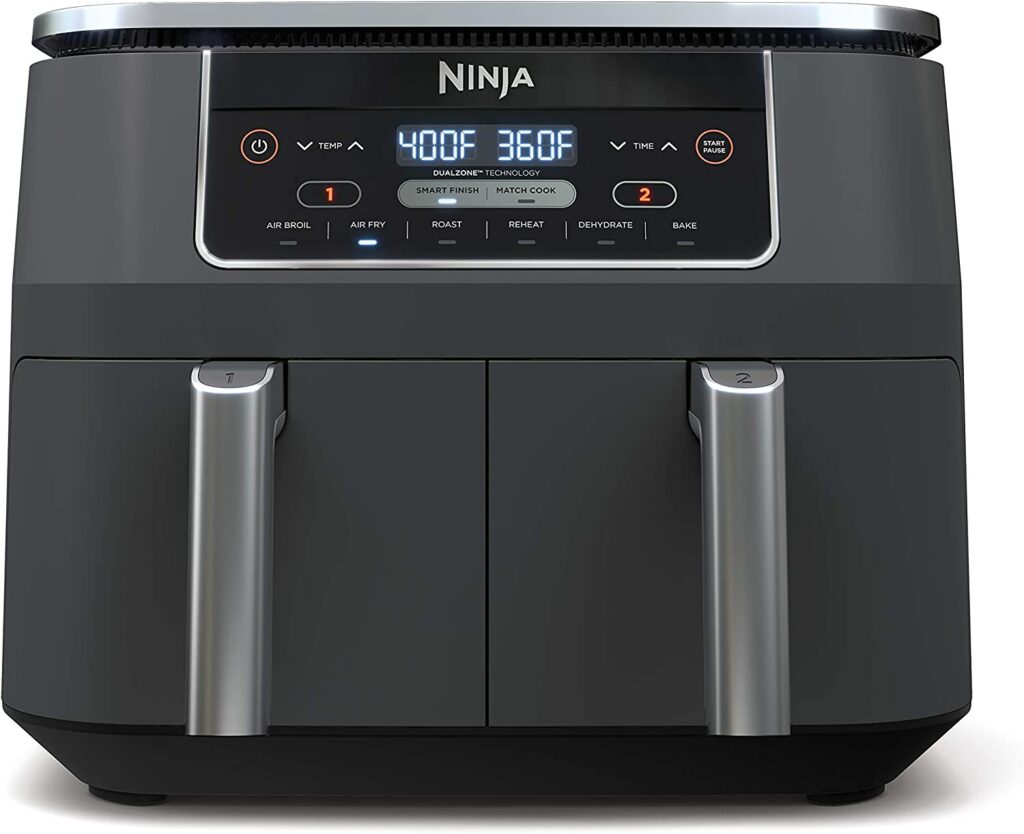
Recommended Equipments:

Grilled cheese sandwiches have long held a special place in comfort food history. The golden-brown crust, the melted, gooey cheese, and the subtle crunch of perfectly toasted bread create a sensory experience that is both nostalgic and satisfying. Traditionally, grilled cheese is prepared on a stovetop using butter and a skillet, requiring careful attention to prevent burning while ensuring the cheese melts evenly. However, the advent of air fryers has revolutionized this process, offering a faster, cleaner, and remarkably consistent method for achieving the perfect grilled cheese. Air fryers use rapid air circulation to crisp the exterior while melting the cheese inside, producing a sandwich that rivals-or even surpasses-traditional methods in texture and flavor. This guide explores every nuance of creating a crispy, melty grilled cheese in an air fryer, from selecting the ideal temperature to troubleshooting common mistakes.
Optimal Air Fryer Temperature To Make Crispy Grilled Cheese In Air Fryer
The key to an ideal grilled cheese lies in balancing a crispy, golden-brown exterior with thoroughly melted cheese. Air fryer temperatures typically range from 300°F to 400°F, but for grilled cheese, a temperature of 370°F (188°C) hits the sweet spot.
- Lower temperatures (320°F-350°F) may cook the sandwich more slowly, which allows the cheese to melt evenly but risks under-browning the bread.
- Higher temperatures (380°F-400°F) may brown the bread quickly, producing an attractive crust but potentially leaving the interior cheese only partially melted.
The optimal 370°F temperature ensures rapid enough browning for that satisfying crunch while giving the cheese enough time to reach its gooey, melty consistency. This temperature also prevents the buttered bread from burning, creating an evenly toasted sandwich every time.
How Long To Make Crispy Grilled Cheese In Air Fryer
Cooking time is closely tied to temperature. For a perfectly crispy grilled cheese at 370°F:
- Average cooking time: 6-8 minutes
- Flip time: At approximately the halfway mark, around 3-4 minutes, flipping the sandwich ensures even browning on both sides.
Bread thickness, cheese type, and even the air fryer model can slightly alter the timing. A thicker slice of bread or extra cheese may require an additional minute or two. Conversely, thin bread slices or less cheese might reach perfection in just 5-6 minutes.
How To Tell If It Is Done
Several visual and tactile cues indicate when your grilled cheese is ready:
- Golden-brown crust: Both sides should have a uniform, deep golden color with a slight sheen from the butter.
- Crisp texture: The exterior should feel firm and crispy to the touch, not soggy.
- Melted cheese: Press gently on the sandwich; the cheese should give slightly but remain gooey and stretch when the sandwich is pulled apart.
- Aroma: A toasty, buttery aroma is a subtle but reliable sign that the sandwich is cooked to perfection.
Ingredients Needed
The ingredients for a classic, crispy air fryer grilled cheese are simple, yet quality matters:
- 2 slices of bread (white, sourdough, or whole wheat)
- 2-3 slices of cheese (cheddar, American, or a blend)
- 1-2 teaspoons of butter or margarine, softened for spreading
- Optional: garlic powder, paprika, or herbs for extra flavor
How To Make Crispy Grilled Cheese In Air Fryer
- Prep the bread: Spread butter evenly on one side of each slice. For added flavor, sprinkle a pinch of garlic powder or paprika on the buttered side.
- Assemble the sandwich: Place cheese slices between the unbuttered sides of the bread, creating a sandwich with the buttered sides facing outward.
- Preheat the air fryer: Preheat to 370°F for 2-3 minutes.
- Air fry the sandwich: Place the sandwich in the air fryer basket. Cook for 3-4 minutes on one side. Carefully flip and cook for another 3-4 minutes.
- Check doneness: Ensure both sides are golden-brown, and the cheese has fully melted.
- Serve immediately: Allow the sandwich to rest for 1 minute to let the cheese settle slightly, then slice and enjoy.
What If I Use A Different Air Fryer Temperature?
- Lower temperature (<350°F): The bread will toast more slowly, requiring additional cooking time. While the cheese may melt thoroughly, the crust may not achieve full crispiness.
- Higher temperature (>380°F): The bread may brown too quickly, potentially burning before the cheese melts fully. The exterior may be crispy, but the interior could remain undercooked.
Adjusting the cooking time accordingly can mitigate these effects.
What If I Use A Different Air Fryer Cooking Time?
- Shorter cooking time: The sandwich may be undercooked, with the cheese still firm and bread slightly soft.
- Longer cooking time: Overcooking can lead to burnt edges and overly crunchy bread, while the cheese may begin to harden and lose its creamy texture.
Timing and temperature work together; changing one usually requires a proportional adjustment in the other.
When Things Go Wrong
Even with an air fryer, mistakes can happen:
- Cheese leaks out: Use slightly less cheese or place it fully within the bread’s edges.
- Bread burns: Reduce temperature by 10-15°F or flip the sandwich earlier.
- Uneven browning: Make sure the air fryer basket is not overcrowded; air circulation is key.
- Soggy bread: Ensure butter is spread evenly and avoid excess cheese that can release moisture.
Expert Tips
- Use room temperature butter: It spreads more evenly, ensuring uniform browning.
- Try multiple cheeses: Mixing sharp cheddar with mozzarella creates both flavor and stretchiness.
- Don’t overcrowd: Cook one or two sandwiches at a time for consistent results.
- Thin slices toast faster: Adjust timing if your bread slices are unusually thick.
- Consider a light spray of oil: Adds extra crisp without extra butter calories.
FAQs
What Type Of Bread Works Best For Air Fryer Grilled Cheese?
For the crispiest grilled cheese, choose breads that are sturdy and slightly thick, such as sourdough, country white, or whole grain. Thin or soft breads may dry out or become overly crisp, while dense breads hold the cheese well and develop a satisfying crunch.
Which Cheese Melts Best In An Air Fryer?
Cheeses with good melting properties such as cheddar, American, mozzarella, Swiss, or provolone work best. Combining a sharper cheese with a mild one can enhance flavor while maintaining a creamy texture. Avoid very hard cheeses that don’t melt evenly.
Should I Butter The Bread Or Use Oil For Air Fryer Grilled Cheese?
Butter or a light coating of oil on the outside of the bread helps achieve a golden, crispy crust. Spread evenly to prevent burning and ensure consistent browning. Some prefer using mayonnaise for a richer flavor and even crispier finish.
What Temperature And Cooking Time Should I Use In The Air Fryer?
Preheat the air fryer to 370-380°F (188-193°C). Cook the sandwich for 6-8 minutes, flipping halfway through. Adjust timing slightly based on bread thickness and cheese type to avoid over-browning or undercooked cheese.
Do I Need To Flip The Grilled Cheese During Cooking?
Yes, flipping the sandwich halfway ensures both sides become evenly golden and crispy while allowing the cheese to melt uniformly. Some air fryer models circulate heat more efficiently, but flipping is generally recommended for optimal results.
Can I Add Extra Ingredients Like Tomatoes Or Ham?
Yes, you can include ingredients like sliced tomatoes, ham, bacon, or caramelized onions. Keep added ingredients thinly sliced to ensure the sandwich cooks evenly and the cheese melts properly. Excess moisture may reduce crispiness, so pat ingredients dry if needed.
How Can I Prevent The Cheese From Leaking Out In The Air Fryer?
To prevent cheese from spilling, leave a small border of bread around the edges and avoid overfilling. Press the sandwich slightly to seal the edges before cooking. Using firmer cheeses or a mix with a higher melting point can also help maintain structure.