
How To Make Garlic Powder In Air Fryer [FULL GUIDE]
Recommended Equipments:
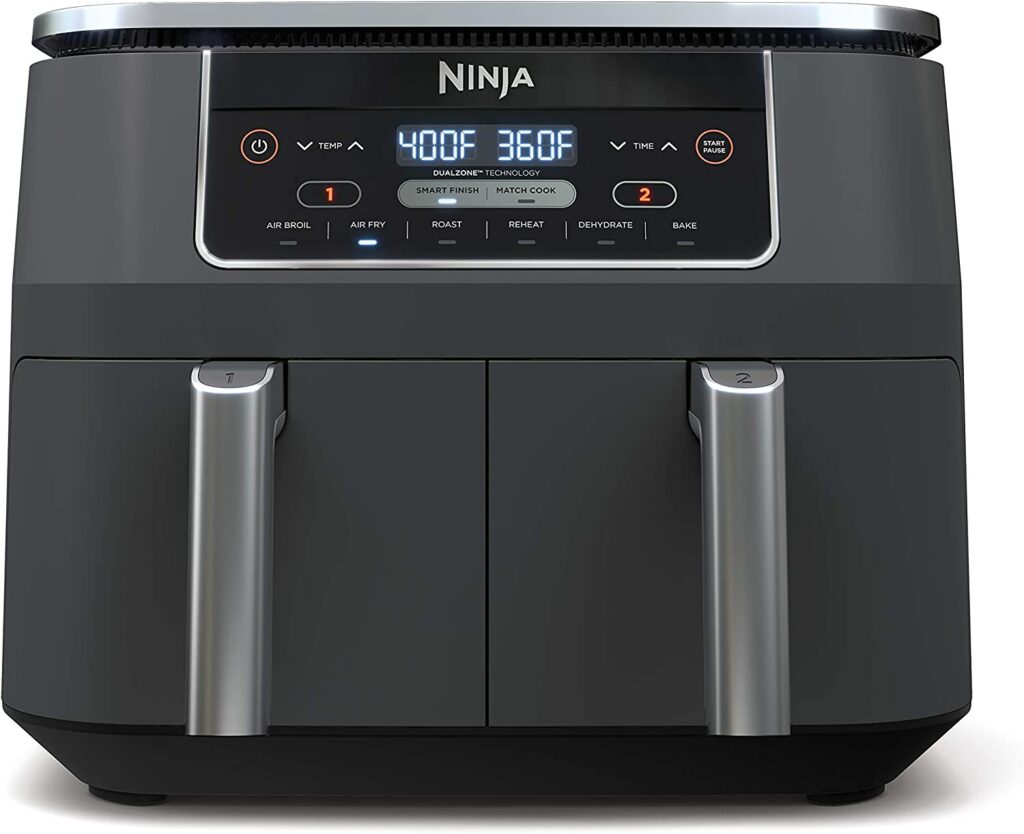
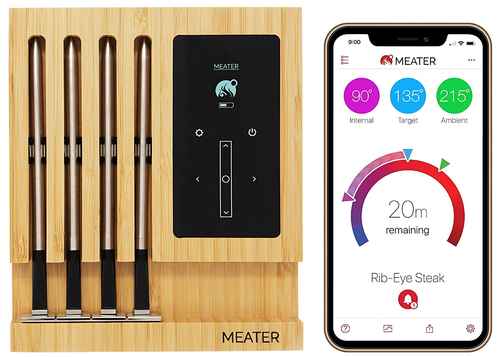
Garlic powder is one of the most versatile and essential pantry staples, adding a deep, savory flavor to countless dishes, from roasted vegetables to soups, sauces, and marinades. While store-bought garlic powder is convenient, making your own at home ensures maximum freshness, flavor, and purity-without any additives or preservatives. Using an air fryer to make garlic powder is a surprisingly efficient method. The air fryer’s rapid circulation of hot air allows the garlic to dehydrate evenly, preserving its natural aroma and sweetness while transforming it into a fine, flavorful powder. This guide will take you through every step of the process, ensuring perfect results every time.
Optimal Air Fryer Temperature To Make Garlic Powder In Air Fryer
Temperature control is critical when dehydrating garlic in an air fryer. Garlic contains natural sugars and moisture that can burn quickly if exposed to excessive heat. The ideal air fryer temperature for making garlic powder is 120°F to 140°F (49°C to 60°C). At this relatively low temperature, garlic slices dry slowly and evenly, which prevents browning and preserves the delicate, nutty undertones of raw garlic. Higher temperatures might speed up the process, but they carry a risk of burning or uneven dehydration.
Some air fryers do not allow extremely low-temperature settings. In that case, start at the lowest possible setting your device permits and monitor the garlic closely, adjusting as needed. The key is slow, gentle drying rather than rapid cooking.
How Long To Make Garlic Powder In Air Fryer
Dehydration time depends on the thickness of your garlic slices, the moisture content of the cloves, and the air fryer’s efficiency. On average, garlic slices take 2 to 3 hours to fully dry in an air fryer. Thin slices (1-2 mm) will dehydrate faster, while thicker slices may require a little extra time.
To ensure even drying, it is crucial to check the garlic periodically and shake or rearrange the slices every 30-45 minutes. Doing so allows hot air to circulate uniformly and prevents some slices from drying too quickly while others remain moist. Patience is key; rushing the process can result in garlic that is either burnt or still too soft to grind into powder.
How To Tell If It Is Done
Properly dehydrated garlic should have a brittle, dry texture. When fully dried, garlic slices should snap easily between your fingers and contain no soft or spongy areas. If any moisture remains, the powder will clump when ground and may spoil during storage.
Another test is to grind a small portion into powder. It should form a fine, even powder without any sticky bits. If it clumps or feels damp, the garlic needs additional drying time. Remember that residual moisture is a common cause of mold formation in homemade garlic powder, so thorough dehydration is essential.
Ingredients Needed
Making garlic powder at home is surprisingly simple and requires very few ingredients:
- Fresh garlic cloves – The fresher the garlic, the more potent and flavorful the powder. Avoid garlic that is soft, sprouting, or discolored.
- Optional: Salt – While not necessary for pure garlic powder, a pinch of salt can enhance flavor if desired.
- Optional: Oil or herbs – Not required for traditional garlic powder but can be used for flavored variations after drying and grinding.
That’s it. The magic comes from proper preparation and dehydration.
How To Make Garlic Powder In Air Fryer
-
Peel And Slice Garlic
Separate the garlic cloves and peel them thoroughly. Slice each clove into uniform thin slices (1-2 mm thick) for even dehydration.
-
Preheat The Air Fryer
Set your air fryer to 120-140°F (49-60°C) and allow it to preheat for a few minutes.
-
Arrange Garlic Slices
Place the slices in a single layer on the air fryer tray or basket. Avoid overlapping to ensure uniform drying.
-
Dehydrate
Cook for 2-3 hours, checking every 30-45 minutes. Shake or rearrange the slices to promote even airflow.
-
Check For Doneness
The slices should be completely brittle and snap easily.
-
Grind Into Powder
Use a spice grinder, mortar and pestle, or a high-speed blender to grind the dried garlic slices into a fine powder.
-
Store Properly
Transfer to an airtight container and store in a cool, dark place. Homemade garlic powder can last 6-12 months when stored correctly.
What If I Use A Different Air Fryer Temperature?
Raising the temperature above 140°F may reduce drying time but significantly increases the risk of burning and developing a bitter taste. Conversely, using a lower temperature prolongs drying but can preserve maximum flavor. If your air fryer cannot maintain the ideal low temperature, monitor the garlic closely, checking every 20-30 minutes to prevent scorching.
What If I Use A Different Air Fryer Cooking Time?
Shortening the cooking time will likely result in partially dehydrated garlic that is soft or chewy, which is unsuitable for powder. Extending the time slightly is usually safer than shortening it, but overly long drying may darken the garlic and reduce its delicate flavor. The key is texture testing: brittle, fully dry slices indicate the ideal timing.
When Things Go Wrong
- Burned garlic: Slice too thin or temperature too high; start over with fresh garlic and lower the heat.
- Damp or sticky powder: Not fully dehydrated; return slices to the air fryer in a single layer until completely dry.
- Mold formation: Occurs when moisture remains in storage; ensure slices are brittle and store in airtight containers away from humidity.
Expert Tips
- Slice garlic as uniformly as possible to ensure even drying.
- Avoid overcrowding the air fryer basket; airflow is crucial.
- Use a spice grinder for the finest powder; sift to remove larger bits if necessary.
- Experiment with small batches first to perfect your technique.
- Consider drying multiple small batches rather than one large batch to maintain quality.
- Store in a glass container with a tight lid, away from sunlight and humidity, to maximize shelf life.
FAQs
Can I Make Garlic Powder Using An Air Fryer?
Yes, an air fryer can be used to make garlic powder by dehydrating garlic cloves. The air fryer’s hot circulating air effectively dries the garlic, which can then be ground into a fine powder.
What Type Of Garlic Is Best For Making Garlic Powder?
Fresh, firm garlic cloves with no signs of sprouting or mold are ideal. Both softneck and hardneck varieties work, but softneck garlic tends to have a milder, sweeter flavor, while hardneck garlic has a stronger, more pungent taste.
How Should I Prepare Garlic Cloves Before Air Frying?
Peel the garlic cloves and slice them evenly into thin pieces, about 1-2 mm thick. Uniform slices ensure consistent drying. Avoid crushing or mincing before air frying, as this can lead to uneven dehydration or burning.
What Temperature And Time Settings Are Recommended For Dehydrating Garlic In An Air Fryer?
Set the air fryer to a low temperature, around 120-135°F (50-57°C), if your model allows, or the lowest available setting. Dehydration usually takes 1.5-2.5 hours, with periodic shaking or stirring to ensure even drying.
How Do I Know When The Garlic Is Properly Dried?
The garlic is ready when it is completely dry, brittle, and snaps easily. Any remaining moisture can cause spoilage or clumping when ground into powder.
What Is The Best Method To Turn Dried Garlic Into Garlic Powder?
Once fully dried, place the garlic slices in a spice grinder, coffee grinder, or high-speed blender. Grind until a fine, uniform powder forms. Sift the powder through a fine mesh sieve to remove any larger pieces for a smoother texture.
How Should I Store Homemade Garlic Powder To Maintain Freshness?
Store the garlic powder in an airtight container in a cool, dry, dark place, such as a pantry. Properly stored, it can last up to 6-12 months. Avoid exposure to moisture or heat, which can reduce flavor and cause clumping.