
How To Make Grilled Cheese In Air Fryer Without Butter [FULL GUIDE]
Recommended Equipments:
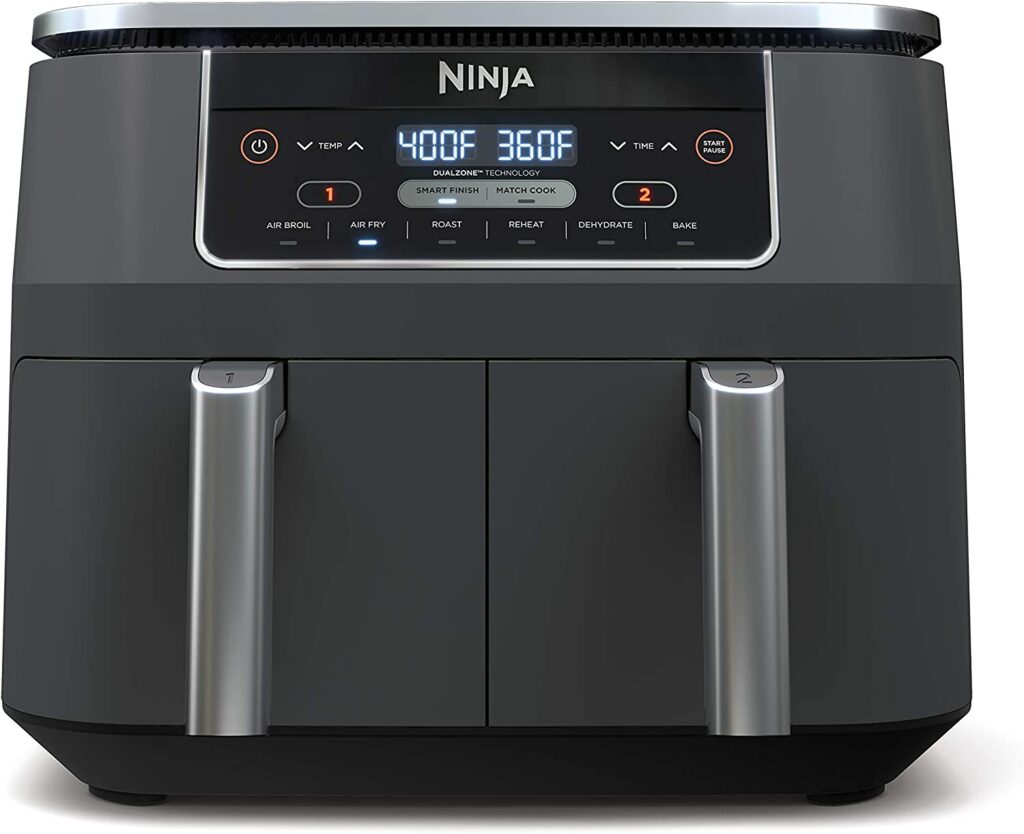
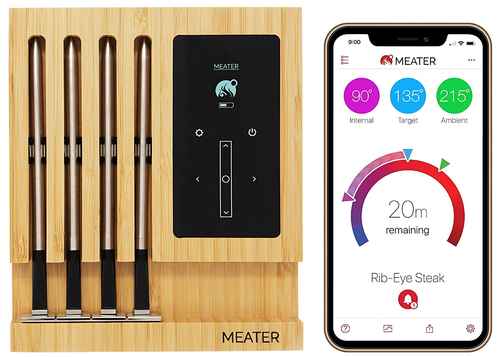
The humble grilled cheese sandwich is a culinary icon-simple, comforting, and universally adored. Traditionally, it relies on butter to achieve that golden, crisp exterior, but what if you want a lighter version or simply don’t have butter on hand? Enter the air fryer: a modern kitchen marvel that can transform a basic sandwich into a crunchy, gooey delight without a single pat of butter. Cooking a grilled cheese in an air fryer without butter is not just possible-it can be remarkably satisfying. By carefully managing temperature, timing, and technique, you can achieve the perfect balance of crispy bread and melted cheese. This guide dives deeply into every nuance of creating a flawless air-fried grilled cheese sans butter, ensuring your sandwich is consistently delicious.
Optimal Air Fryer Temperature To Make Grilled Cheese In Air Fryer Without Butter
Temperature is the most critical factor in air-frying grilled cheese without butter. Too low, and your bread will remain soft and chewy, failing to achieve the signature crunch; too high, and the exterior may burn before the cheese melts. For most air fryers, the ideal range is 350°F to 370°F (175°C to 188°C). This moderate heat ensures the Maillard reaction-the chemical process responsible for browning-occurs evenly, giving the bread a golden, slightly crisp texture without excessive charring.
Some models circulate air more aggressively than others. If your air fryer is particularly powerful, start at the lower end of the range to avoid rapid over-browning. Conversely, a less forceful unit may benefit from the higher end of the spectrum to create a satisfying crunch. The key is consistent heat distribution, which most modern air fryers handle remarkably well.
How Long To Make Grilled Cheese In Air Fryer Without Butter
Timing is just as crucial as temperature. The typical window for a perfectly cooked grilled cheese is 6-10 minutes, depending on bread thickness, cheese type, and air fryer model. A standard sandwich with medium-thick bread and a classic American or cheddar cheese usually requires 8 minutes at 360°F (182°C), flipping halfway through.
Thicker bread or a denser cheese like Gruyère or Havarti may extend cooking by 1-2 minutes, while thinner bread with a fast-melting cheese might require less. The midpoint flip ensures both sides are evenly browned and the cheese melts uniformly.
How To Tell If It Is Done
Visual and tactile cues are your best guides:
- Golden Brown Color – The bread should have a warm, golden hue, not pale or overly dark.
- Slight Crispness – Tap the surface lightly. A slight crunch indicates proper cooking; soft or spongy bread may need more time.
- Melted Cheese – Slightly press the top; the sandwich should yield a bit and reveal molten cheese inside. If cheese is still solid or unmelted, return it to the air fryer for an additional 1-2 minutes.
Ingredients Needed
- 2 slices of bread (white, whole wheat, sourdough, or your favorite variety)
- 2-3 slices of cheese (cheddar, mozzarella, American, Swiss, or a mix)
- Optional: a light brush of olive oil or cooking spray (to enhance crispiness without butter)
- Optional extras: tomato slices, avocado, or deli meats for added flavor
How To Make Grilled Cheese In Air Fryer Without Butter
- Preheat the Air Fryer: Set to 360°F (182°C) for 3-5 minutes. Preheating ensures even cooking.
- Prepare the Sandwich: Layer cheese between bread slices. For extra crispiness, lightly brush the bread with olive oil or use a cooking spray, though this is optional.
- Air Fry: Place the sandwich in the air fryer basket. Cook at 360°F for 4 minutes.
- Flip: Carefully turn the sandwich and continue cooking for another 3-4 minutes until golden brown and the cheese is fully melted.
- Rest and Serve: Allow the sandwich to rest for 1 minute. This prevents cheese from spilling and lets the bread firm slightly.
What If I Use A Different Air Fryer Temperature?
Raising the temperature above 370°F can speed up browning but risks burning the bread before the cheese melts. Lowering it below 350°F may result in pale, under-crisped bread and a cheese filling that never fully melts. If experimenting, adjust cooking time in tandem: higher heat = shorter time, lower heat = longer time.
What If I Use A Different Air Fryer Cooking Time?
Too short, and you end up with undercooked, chewy bread and unmelted cheese. Too long, and the sandwich could become hard, dry, or scorched. Always check the sandwich visually and by gently pressing it to gauge doneness. Adjust in 30-second intervals for precision.
When Things Go Wrong
- Bread not crispy: Likely temperature too low or air fryer not preheated. Brush with a tiny amount of oil to help.
- Cheese not melted: Sandwich may be too thick, or temperature too low. Try slicing cheese thinner or increasing time slightly.
- Burnt edges: Temperature too high or sandwich too close to heating element. Reduce heat or reposition in basket.
Expert Tips
- Choose your bread wisely: Denser bread like sourdough yields a chewier texture; lighter bread crisps faster.
- Cheese matters: Shredded cheese melts faster than thick slices, but slices create a gooier, uniform layer.
- Use parchment paper if needed: Prevents sticking and makes cleanup easier.
- Flip carefully: Use tongs or a spatula to maintain sandwich integrity.
- Customize fillings sparingly: Add-ins like tomatoes or bacon work, but avoid overly wet ingredients, which can prevent crisping.
FAQs
Can I Make Grilled Cheese In An Air Fryer Without Using Butter?
Yes, you can make grilled cheese in an air fryer without butter. Alternatives like olive oil, cooking spray, or a light brushing of mayonnaise can provide a golden, crispy exterior while keeping the bread from sticking.
What Type Of Bread Works Best For Air Fryer Grilled Cheese Without Butter?
Sturdier breads like sourdough, whole wheat, or artisan bread are ideal because they hold up well to the air fryer’s circulation and heat without butter. Softer breads can be used but may require extra care to avoid becoming too dry or soggy.
Which Cheeses Are Recommended For Air Fryer Grilled Cheese Without Butter?
Cheeses that melt well, such as cheddar, mozzarella, provolone, or gouda, are recommended. You can also combine cheeses for flavor and texture, but avoid pre-shredded cheeses with anti-caking agents, as they may not melt as smoothly.
Do I Need To Preheat The Air Fryer For Grilled Cheese Without Butter?
Preheating the air fryer is recommended. Set the temperature to 350-370°F (175-190°C) and preheat for 3-5 minutes. This ensures even cooking and helps achieve a crispy exterior without the need for butter.
How Long Should I Cook A Grilled Cheese In An Air Fryer Without Butter?
Cook the sandwich at 350-370°F (175-190°C) for approximately 6-8 minutes, flipping halfway through. Timing may vary depending on bread thickness and cheese type, so monitor until the bread is golden and the cheese is melted.
What Can I Use Instead Of Butter To Get A Crispy Texture?
You can lightly brush the outside of the bread with olive oil, avocado oil, or even a thin layer of mayonnaise. Cooking spray also works to achieve a golden, crispy surface without adding significant fat.
Can I Add Extras Like Tomato Or Ham In A Grilled Cheese Without Affecting The Air Fryer Cooking?
Yes, you can add extras like tomato slices, cooked ham, or spinach, but be mindful of moisture. Too much liquid can make the bread soggy. Pat ingredients dry before adding and keep fillings moderate for best results.