
How To Make Perfect Bacon In Air Fryer [FULL GUIDE]
Recommended Equipments:
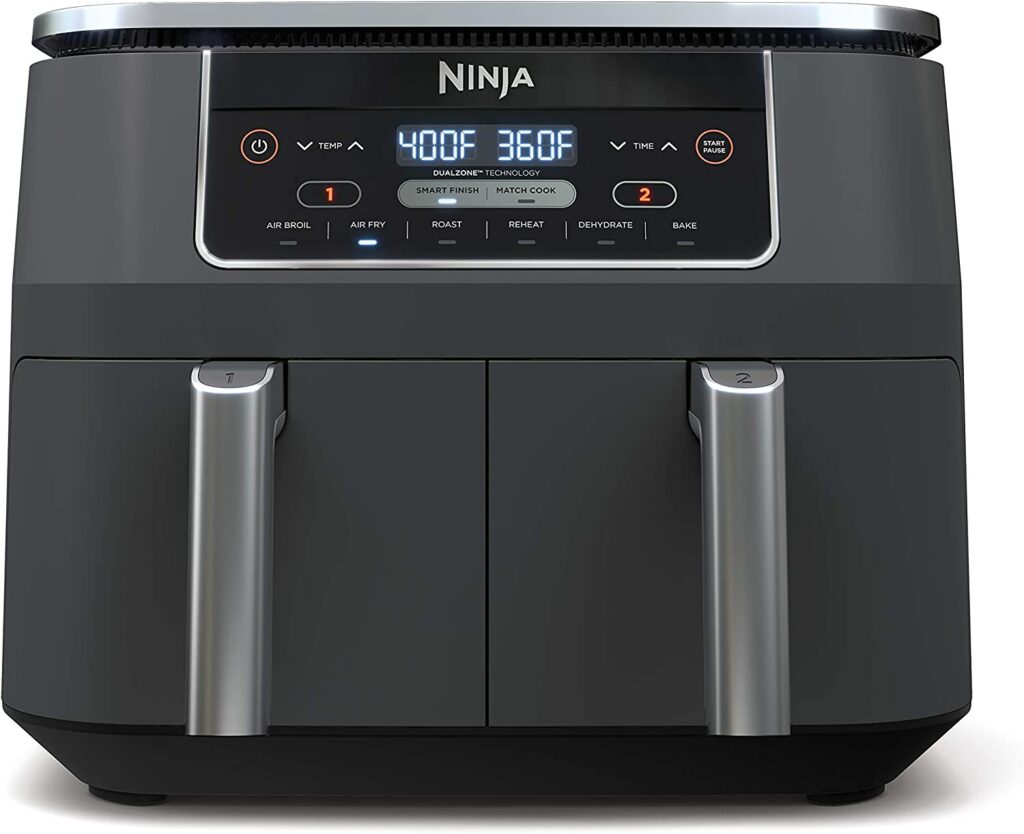
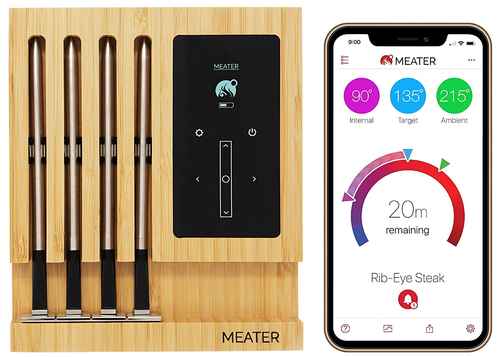
Bacon-a breakfast staple, a culinary marvel, and a flavor powerhouse that can elevate any meal. Its crispy edges, salty richness, and tantalizing aroma make it irresistible. Traditionally, bacon has been pan-fried or oven-baked, but in recent years, the air fryer has emerged as a game-changer for bacon lovers. Using an air fryer allows bacon to cook evenly, crisp up beautifully, and render fat efficiently without the need for constant monitoring. It’s faster, less messy, and produces consistent results every time. In this guide, we’ll dive deep into every nuance of air fryer bacon: temperatures, timings, tips, troubleshooting, and expert techniques to ensure perfect strips every time.
Optimal Air Fryer Temperature To Make Perfect Bacon In Air Fryer
Temperature is critical when air frying bacon. Too low, and it turns rubbery; too high, and it burns before the fat renders. The sweet spot for most air fryers is 350°F (175°C). This temperature allows the bacon to cook slowly enough for fat to render thoroughly while simultaneously crisping the meat to perfection.
Some air fryers run hotter than others, especially smaller basket models that concentrate heat more intensely. For thicker cuts of bacon, slightly increasing the temperature to 360-370°F (182-188°C) can help achieve a deeper golden crisp without overcooking. Conversely, thinner bacon strips or very lean cuts may benefit from a slightly lower temperature, around 330-340°F (165-170°C), to prevent curling and burning.
How Long To Make Perfect Bacon In Air Fryer
Cooking time depends on thickness and personal preference:
- Thin-cut bacon: 7-10 minutes
- Regular-cut bacon: 10-12 minutes
- Thick-cut bacon: 12-15 minutes
It’s best to start checking your bacon a minute or two before the minimum recommended time. Air fryers vary in heat intensity, and bacon can go from perfectly crisp to burnt in a matter of seconds. For even cooking, flipping the bacon halfway through the cooking cycle is recommended, though not always necessary depending on your air fryer’s airflow system.
How To Tell If It Is Done
Perfect bacon is a balance of crispy edges and slightly chewy centers. Signs your bacon is done:
- Color: A rich golden-brown color signals the Maillard reaction is complete. Avoid deep brown or black, which indicates overcooking.
- Texture: The edges should snap when lifted, while the middle retains a slight chew if desired.
- Fat Rendering: Look for clear, bubbly fat in the pan. Fully rendered fat is a good sign the bacon is cooked through.
- Shrinkage: Bacon will shrink and curl slightly; this is normal and a sign of rendered fat.
Ingredients Needed
- Bacon strips: 8-12 slices, depending on basket size
- Optional: black pepper, maple syrup, or brown sugar for seasoning or glazing
- Paper towels: for draining excess fat
That’s it-air fryer bacon requires almost no additional ingredients, but simple additions can elevate flavor profiles beautifully.
How To Make Perfect Bacon In Air Fryer
- Preheat the air fryer to 350°F (175°C). Preheating ensures the bacon starts cooking immediately, promoting even browning.
- Arrange the bacon in a single layer in the basket. Avoid overlapping slices; this ensures maximum crispiness. Slight touching is okay because bacon shrinks as it cooks.
- Optional seasoning: Sprinkle with black pepper or brush lightly with maple syrup for a sweet-savory twist.
- Cook for 10-12 minutes (adjust depending on thickness). Flip halfway for even browning.
- Check doneness in the final 1-2 minutes. Remove when crispy but still slightly pliable in the center.
- Drain excess fat on paper towels to avoid sogginess.
What If I Use A Different Air Fryer Temperature?
- Lower temperature (320-340°F / 160-170°C): The bacon will cook more slowly, which can help prevent burning but may result in less crispiness unless cooked longer.
- Higher temperature (360-400°F / 180-205°C): Bacon will crisp faster, but the risk of uneven cooking or burnt edges increases. Thick bacon may be undercooked in the center if the exterior crisps too quickly.
Always monitor the first few minutes if adjusting temperature; air fryers can vary significantly.
What If I Use A Different Air Fryer Cooking Time?
- Shorter time: The bacon may be undercooked, chewy, and pale.
- Longer time: Crispy bacon can quickly become brittle or burnt. Fat can over-render, leading to a smoky kitchen.
Timing adjustments must be balanced with temperature changes for the best results. Start conservatively and add 1-2 minute increments until perfect.
When Things Go Wrong
Even in an air fryer, bacon can sometimes misbehave. Common issues:
- Uneven cooking: Usually caused by overlapping slices. Flip halfway through.
- Curling strips: Try pressing down with tongs mid-cook or using a small layer of parchment with perforations.
- Smoke: Bacon fat can create smoke at high temperatures. Clean the basket, or add a thin layer of water to the bottom of the drawer to reduce smoke.
- Too greasy: Drain excess fat halfway through cooking and after finishing.
Expert Tips
- Use parchment paper or air fryer liners to prevent sticking but ensure airflow holes remain clear.
- Rotate slices mid-cook for even color and texture.
- Batch cook for large amounts, but avoid overcrowding. Cook in multiple smaller batches for the best crisp.
- Experiment with flavors: brown sugar, smoked paprika, or chili flakes can elevate the bacon beyond breakfast.
- Clean the basket immediately after use; hardened bacon fat is difficult to remove and can affect future cooking.
FAQs
How Do I Make Perfect Bacon In An Air Fryer?
To make perfect bacon in an air fryer, arrange the bacon strips in a single layer in the air fryer basket, ensuring they don’t overlap. Set the air fryer to 375°F (190°C) and cook for 8-10 minutes, flipping halfway through. The cooking time may vary depending on the thickness of the bacon and your air fryer model, so check for crispiness to your preference.
What Is The Best Temperature To Cook Bacon In An Air Fryer?
The ideal temperature for cooking bacon in an air fryer is 375°F (190°C). This temperature ensures the bacon cooks evenly, crisps up well, and retains its flavor without burning.
Do I Need To Flip The Bacon Halfway Through Cooking In The Air Fryer?
Yes, flipping the bacon halfway through cooking helps it cook more evenly and achieve a crispier texture on both sides. This is particularly important if you’re cooking thick-cut bacon.
Can I Cook Different Thicknesses Of Bacon In An Air Fryer?
Yes, you can cook different thicknesses of bacon in the air fryer. Thicker bacon will take slightly longer to cook, while thinner strips will cook faster. Adjust the cooking time by checking for desired crispiness. If cooking a mix of thick and thin slices, it’s best to monitor them closely and remove thinner pieces early if needed.
How Much Bacon Can I Cook In The Air Fryer At Once?
The amount of bacon you can cook in the air fryer depends on the size of your air fryer basket. For optimal results, make sure the bacon is arranged in a single layer without overcrowding. This allows for proper airflow and even cooking. Typically, you can cook 4-6 slices of regular bacon in a standard 3.5 to 5-quart air fryer basket.
Should I Use Oil Or Cooking Spray When Making Bacon In The Air Fryer?
It’s generally not necessary to use oil or cooking spray when making bacon in the air fryer. Bacon releases its own fat as it cooks. However, if you prefer extra crispiness or want to prevent sticking, you can lightly spray the basket with a non-stick spray.
How Do I Prevent Bacon Grease From Splattering In The Air Fryer?
To prevent splattering, you can line the air fryer basket with parchment paper or use an air fryer tray with a catch pan to collect the grease. Be sure to leave a little space for air circulation, as covering the basket completely can block airflow and affect cooking.