
How To Make Soft Bacon In Air Fryer [FULL GUIDE]
Recommended Equipments:
Bacon has long been celebrated for its crispy texture, smoky aroma, and rich, savory flavor, making it a staple breakfast favorite and a versatile ingredient in countless dishes. While many people prefer their bacon crispy, there’s a growing appreciation for soft, tender bacon that retains a slight chewiness without being undercooked. Achieving this delicate balance is surprisingly easy with an air fryer-a kitchen gadget that promises consistent results with minimal mess. Unlike traditional pan-frying, air frying bacon allows for precise control over temperature and cooking time, preventing it from becoming overly crunchy while locking in flavor. This guide will walk you through every aspect of making soft bacon in an air fryer, from the ideal temperature and timing to troubleshooting and expert tips, ensuring your bacon comes out perfectly soft and flavorful every time.
Optimal Air Fryer Temperature To Make Soft Bacon In Air Fryer
The key to soft bacon lies in temperature control. Air fryers circulate hot air at high speed, cooking food evenly and quickly. For soft bacon, the optimal air fryer temperature typically ranges between 325°F to 350°F (163°C to 177°C).
- Lower end (325°F / 163°C): This is ideal for extremely soft, slightly chewy bacon with minimal shrinkage. It allows the fat to render slowly while the meat cooks gently, preserving tenderness.
- Upper end (350°F / 177°C): Produces slightly firmer, soft bacon while still avoiding the crunchiness associated with higher temperatures. Use this if your air fryer tends to cook unevenly or if the bacon slices are particularly thick.
Temperatures above 350°F risk over-crisping, which makes achieving soft bacon difficult. Keeping the temperature moderate ensures the bacon cooks evenly without hardening, allowing you to savor the rich, buttery mouthfeel of soft bacon.
How Long To Make Soft Bacon In Air Fryer
Timing is just as crucial as temperature when aiming for soft bacon. Air fryer cooking times vary based on the thickness of the bacon slices and the model of your air fryer. A general guideline is:
- Thin-cut bacon: 6-8 minutes
- Regular-cut bacon: 8-10 minutes
- Thick-cut bacon: 10-12 minutes
It’s important to start checking the bacon a minute or two before the lower end of the suggested range. Since air fryers cook rapidly and efficiently, even slight variations in timing can alter the texture. The goal is to allow the fat to render while keeping the meat tender, without letting it reach the brittle, crispy stage.
How To Tell If It Is Done
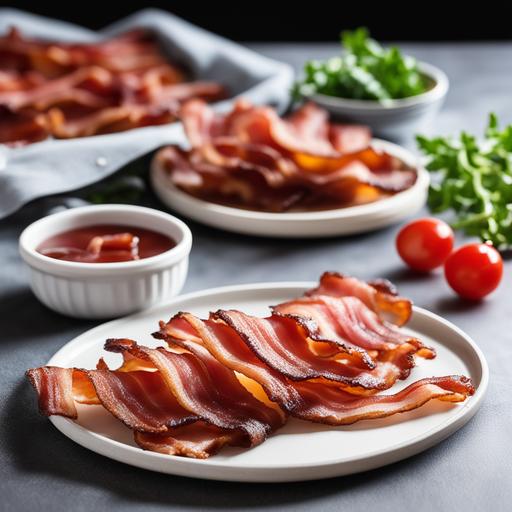
Soft bacon should have a tender, slightly chewy texture with visible rendered fat but without curling into hard, crispy edges. Here’s how to assess doneness:
- Visual cues: The bacon should be golden-brown rather than deep brown or dark.
- Touch test: Use tongs to gently lift a slice. It should bend easily without breaking, indicating softness.
- Fat consistency: Rendered fat should be partially liquefied, not fully hardened.
- Smell: Soft bacon has a rich, savory aroma without the smoky scent of overly crisped bacon.
Overcooking will make the bacon rigid, while undercooking may leave it greasy and rubbery. Learning these visual and tactile indicators ensures consistently soft results.
Ingredients Needed
Making soft bacon in an air fryer is simple and requires minimal ingredients:
- Bacon slices (your preferred cut: thin, regular, or thick)
- Optional seasonings: black pepper, brown sugar, or paprika (for enhanced flavor)
- Optional lining: parchment paper or aluminum foil (helps with cleanup and prevents sticking, but avoid covering the basket entirely to allow airflow)
The beauty of air-fried bacon is that it doesn’t require oil-the bacon fat renders naturally during cooking, keeping the slices moist and flavorful.
How To Make Soft Bacon In Air Fryer
- Preheat the air fryer: Set to 325-350°F (163-177°C) for a few minutes.
- Prepare the bacon: Lay slices flat in a single layer in the air fryer basket. Avoid overlapping for even cooking.
- Optional seasoning: Sprinkle lightly with pepper or your chosen seasoning if desired.
- Air fry: Cook for the recommended time based on slice thickness, checking at the lower end of the range.
- Check doneness: Use the visual, tactile, and fat-rendering cues described earlier.
- Remove and rest: Transfer bacon to a plate lined with paper towels for 1-2 minutes to drain excess fat.
This method produces soft, flavorful bacon that retains its juiciness without the mess and splatter of stovetop frying.
What If I Use A Different Air Fryer Temperature?
Adjusting the temperature will directly impact the texture:
- Lower temperature (<325°F): Bacon cooks slower, potentially remaining undercooked or greasy. Patience is required, but this may enhance tenderness.
- Higher temperature (>350°F): Bacon cooks faster, but risk over-crisping and uneven texture increases. You may end up with partially soft slices and overly crunchy edges.
Always consider temperature and time together. A small temperature increase can be offset with slightly reduced cooking time to maintain softness.
What If I Use A Different Air Fryer Cooking Time?
Time adjustments are often necessary depending on slice thickness and air fryer model:
- Shorter time: May result in under-rendered fat, chewy or rubbery slices.
- Longer time: Bacon will gradually firm up, becoming crispier and potentially losing the desired soft texture.
The best approach is incremental adjustments-add 30-second to 1-minute intervals and check frequently to avoid overshooting the perfect softness.
When Things Go Wrong
Even with experience, air frying bacon can sometimes produce less-than-ideal results:
- Too crispy: Reduce temperature by 5-10°F or shorten cooking time.
- Uneven cooking: Ensure slices are laid in a single layer without overlap. Rotate or rearrange slices halfway through cooking if necessary.
- Excess grease: Drain slices on paper towels; also avoid overcrowding the basket, which traps fat and causes uneven cooking.
- Rubbery or undercooked bacon: Increase temperature slightly or extend cooking time incrementally, checking often.
Understanding these common pitfalls makes it easier to troubleshoot and achieve perfect soft bacon consistently.
Expert Tips
- Choose quality bacon: Thick-cut or premium bacon tends to retain moisture better, producing a tender, rich texture.
- Do not overcrowd: Single-layer placement ensures even cooking.
- Use a rack: If your air fryer has one, a rack allows fat to drip away while circulating heat evenly.
- Rotate slices: Flip or rearrange halfway through cooking for uniform softness.
- Experiment with seasonings: Light sugar or smoked paprika enhances flavor without affecting texture.
- Monitor closely near the end: Soft bacon can quickly become crispy; visual and touch cues are crucial.
FAQs
What Is The Best Temperature To Cook Bacon In An Air Fryer For A Soft Texture?
To achieve soft bacon in an air fryer, set the temperature between 320°F (160°C) and 350°F (175°C). Lower temperatures help render the fat slowly without over-crisping the bacon, resulting in a tender, chewy texture.
How Long Should I Cook Bacon In An Air Fryer To Keep It Soft?
Cooking time varies with thickness, but for standard slices, cook bacon for 8-12 minutes at 320-350°F. Check at 8 minutes and adjust based on desired softness. Thicker slices may need an extra 2-3 minutes.
Do I Need To Preheat The Air Fryer Before Cooking Bacon?
Preheating is recommended for even cooking. Preheat the air fryer for 2-3 minutes at the desired temperature. This ensures the bacon starts cooking immediately and prevents uneven texture.
Should I Overlap Bacon Slices In The Air Fryer?
Avoid overlapping slices. Place them in a single layer with minimal gaps to allow air circulation. Slightly touching is acceptable, but full overlap will prevent even cooking and may make some parts crispy while others remain undercooked.
Can I Cook Frozen Bacon In An Air Fryer And Still Keep It Soft?
Yes, but it requires a slightly longer cooking time. Arrange the slices carefully and cook at 320°F, starting with 10-12 minutes. Separate frozen slices halfway through to ensure even soft cooking.
Do I Need To Flip Bacon Slices During Air Frying?
Flipping is optional but recommended for more even texture. Flip halfway through the cooking process to prevent the bottom from becoming too crispy while the top remains soft.
How Can I Prevent Bacon From Becoming Too Crispy In An Air Fryer?
Use lower temperatures, shorter cooking times, and avoid overlapping slices. Keep a close eye on the bacon in the last few minutes, as air fryers cook quickly. Removing slices slightly earlier than desired can help retain a soft texture as they continue to firm slightly after removal.