How To Cook Beef In Air Fryer [FULL GUIDE]
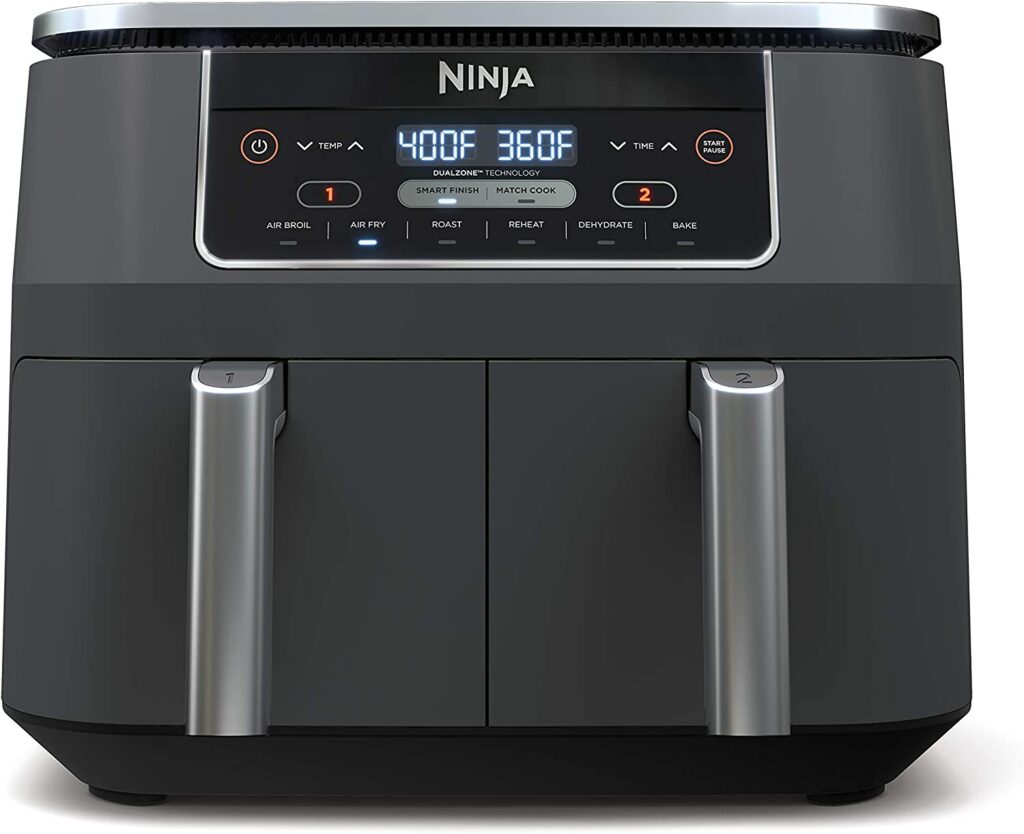
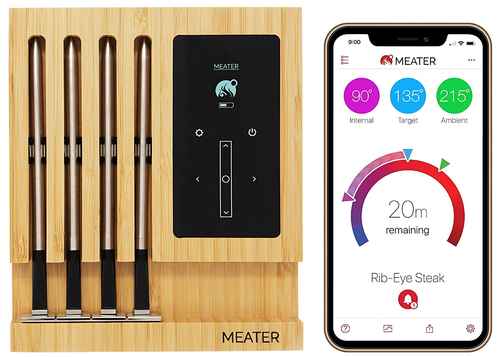
Recommended Equipments:
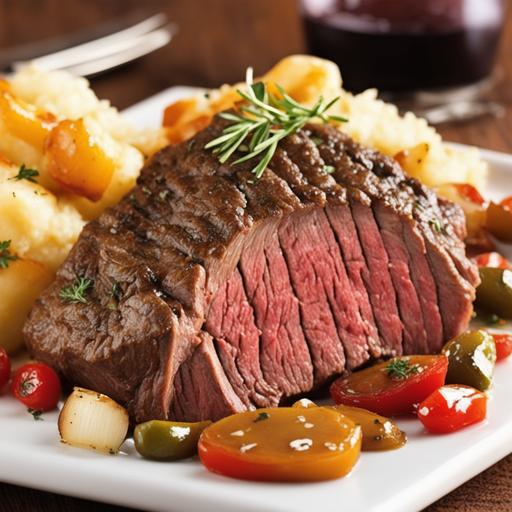
Cooking beef in an air fryer has become an increasingly popular method for home chefs seeking a convenient, quick, and healthier alternative to traditional pan-frying or oven roasting. The air fryer, with its rapid circulation of hot air, creates a Maillard reaction on the meat’s surface, producing that signature golden-brown crust while keeping the interior tender and juicy. Unlike conventional methods, air frying reduces the amount of added oil, making it a heart-friendly cooking technique without sacrificing flavor. However, achieving perfect results requires understanding the nuances of temperature, timing, and preparation. This guide will explore these factors in depth, providing practical advice for every step of the process.
Optimal Air Fryer Temperature To Cook Beef In Air Fryer
The ideal temperature for cooking beef in an air fryer depends on the cut and desired doneness. Generally, a range between 350°F and 400°F (175°C-205°C) works best:
- Medium-rare: 350°F (175°C)
- Medium: 360-370°F (182-188°C)
- Medium-well to well-done: 380-400°F (193-205°C)
Lower temperatures allow for even cooking and tender results, particularly for thicker cuts, while higher temperatures quickly create a seared crust on thinner steaks or ground beef patties. It’s also crucial to preheat the air fryer; this ensures the meat cooks evenly and achieves a desirable texture on the exterior.
How Long To Cook Beef In Air Fryer
Cooking time depends on the beef cut, thickness, and desired doneness. Approximate times are:
- Ribeye or strip steaks (1-inch thick): 8-12 minutes
- Ground beef patties (¾-1 inch thick): 8-10 minutes
- Beef tenderloin medallions: 7-10 minutes
- Thinly sliced beef for stir-fry or fajitas: 4-6 minutes
Always flip the beef halfway through the cooking cycle for uniform browning. Keep in mind that air fryers vary in intensity; small countertop models may require slightly longer, while high-end models could reduce cooking time.
How To Tell If It Is Done
Perfectly cooked beef requires more than just guessing. You can assess doneness using:
-
Internal Temperature: Use a digital meat thermometer.
- Rare: 125°F (52°C)
- Medium-rare: 135°F (57°C)
- Medium: 145°F (63°C)
- Medium-well: 150°F (66°C)
- Well-done: 160°F (71°C)
- Touch Test: Press the beef gently with your fingertip. Rare feels soft and spongy, medium feels springy, and well-done feels firm.
- Juices: Clear juices generally indicate medium-well or well-done, while pink or red juices indicate rare or medium-rare.
Ingredients Needed
To cook flavorful air fryer beef, gather the following:
- Beef cut of choice (steak, tenderloin, or ground beef)
- Salt and freshly ground black pepper
- Optional: garlic powder, onion powder, smoked paprika, or fresh herbs (rosemary, thyme)
- Olive oil or cooking spray (minimal for air fryer)
- Optional: marinade or sauce for added flavor
How To Cook Beef In Air Fryer
- Preparation: Pat the beef dry to remove excess moisture. This promotes browning.
- Seasoning: Rub the beef with oil and season generously with salt, pepper, and any preferred spices.
- Preheating: Preheat the air fryer to the desired temperature for 3-5 minutes.
- Placement: Arrange the beef in a single layer in the basket, ensuring it isn’t crowded for proper air circulation.
- Cooking: Air fry according to thickness and doneness preference, flipping halfway through.
- Resting: Let the beef rest for 5 minutes after cooking. This allows juices to redistribute, enhancing tenderness.
What If I Use A Different Air Fryer Temperature?
Altering the temperature affects both texture and doneness:
- Lower temperature: Slower cooking prevents overcooking and maintains tenderness but may result in less crispy edges.
- Higher temperature: Achieves a crusty exterior faster but risks undercooking the interior if the beef is thick.
Always pair temperature adjustments with careful monitoring of cooking time and internal temperature to avoid mistakes.
What If I Use A Different Air Fryer Cooking Time?
Adjusting cooking time impacts doneness and juiciness:
- Shorter time: Beef may be undercooked or raw in the center.
- Longer time: Overcooked, dry, or tough meat, particularly in lean cuts.
Time adjustments should be proportional to thickness and temperature changes, and it’s essential to check internal temperature frequently to prevent errors.
When Things Go Wrong
Even with air fryers, mistakes can happen:
- Beef is dry: Likely overcooked or cooked at too high a temperature. Next time, reduce heat slightly or shorten cooking time.
- Uneven browning: Beef may be crowded in the basket. Cook in batches and flip halfway through.
- Undercooked center: Thicker cuts may need a lower temperature for longer or an additional minute or two.
Remember, resting the beef is critical; even slightly overcooked meat can regain juiciness during this period.
Expert Tips
- Use a meat thermometer: It’s the most reliable method to ensure perfect doneness.
- Marinate for flavor and tenderness: Even 30 minutes in a simple marinade can enhance texture.
- Don’t overcrowd the basket: Air circulation is essential for even cooking.
- Flip and rotate: Ensures both sides develop a crust.
- Experiment with finishing techniques: Adding butter, garlic, or herbs in the last 2 minutes can elevate flavor.
FAQs
What Types Of Beef Are Best For Cooking In An Air Fryer?
The best types of beef for air frying are cuts that are tender and relatively uniform in thickness, such as ribeye, sirloin, tenderloin, or strip steaks. Ground beef can also be used for patties. Tougher cuts like brisket or chuck can be air-fried if they are thinly sliced or marinated to tenderize them.
How Should Beef Be Prepared Before Air Frying?
Beef should be brought to room temperature before cooking to ensure even doneness. Trim excess fat if desired, season with salt, pepper, and any preferred spices, and optionally marinate for 30 minutes to a few hours to enhance flavor. Lightly coating the beef with oil helps achieve a crisp exterior.
What Is The Recommended Air Fryer Temperature For Beef?
Most beef cuts cook well in an air fryer at temperatures ranging from 360°F to 400°F (182°C to 204°C). Thinner cuts and patties can be cooked at higher temperatures for shorter periods, while thicker steaks benefit from a slightly lower temperature to avoid overcooking the exterior.
How Long Should Beef Be Cooked In An Air Fryer?
Cooking times vary by cut and thickness. For example, 1-inch thick steaks generally require 10-12 minutes at 400°F, flipping halfway through. Ground beef patties may take 8-10 minutes, while thinner cuts or stir-fry strips may take 5-7 minutes. Using a meat thermometer ensures precise doneness.
Do I Need To Flip The Beef During Air Frying?
Yes, flipping beef halfway through cooking promotes even browning and ensures the interior cooks consistently. For thinner cuts, flipping may be optional, but thicker steaks, patties, or marinated strips benefit from turning at the midpoint.
How Can I Check If Air-fried Beef Is Cooked Properly?
The most reliable method is using a meat thermometer. Recommended internal temperatures are: 125°F for rare, 135°F for medium-rare, 145°F for medium, 150°F for medium-well, and 160°F for well-done. Visual cues include a browned crust, juices running clear, and firmness to the touch.
Should Beef Rest After Air Frying?
Yes, letting beef rest for 5-10 minutes after air frying allows the juices to redistribute, resulting in a more tender and flavorful final product. Cover lightly with foil during resting to retain warmth without steaming the exterior.