
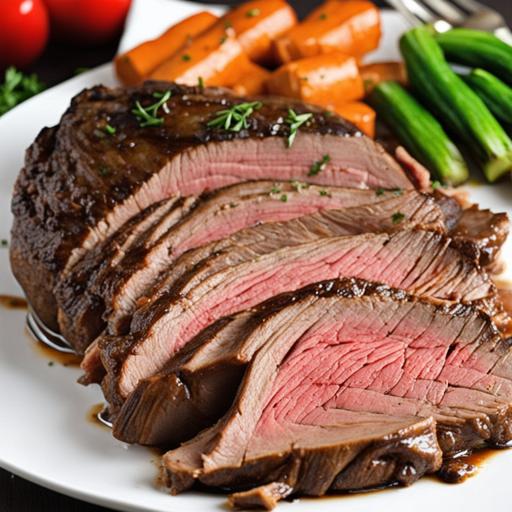
How To Cook Chuck Roast In Air Fryer [FULL GUIDE]
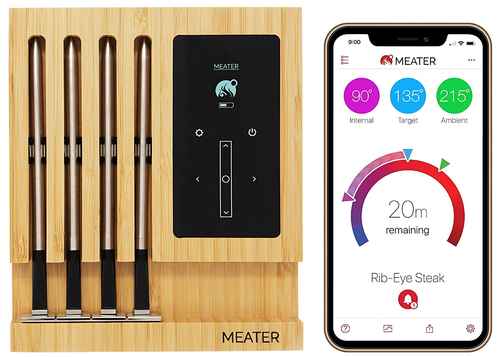
Recommended Equipments:
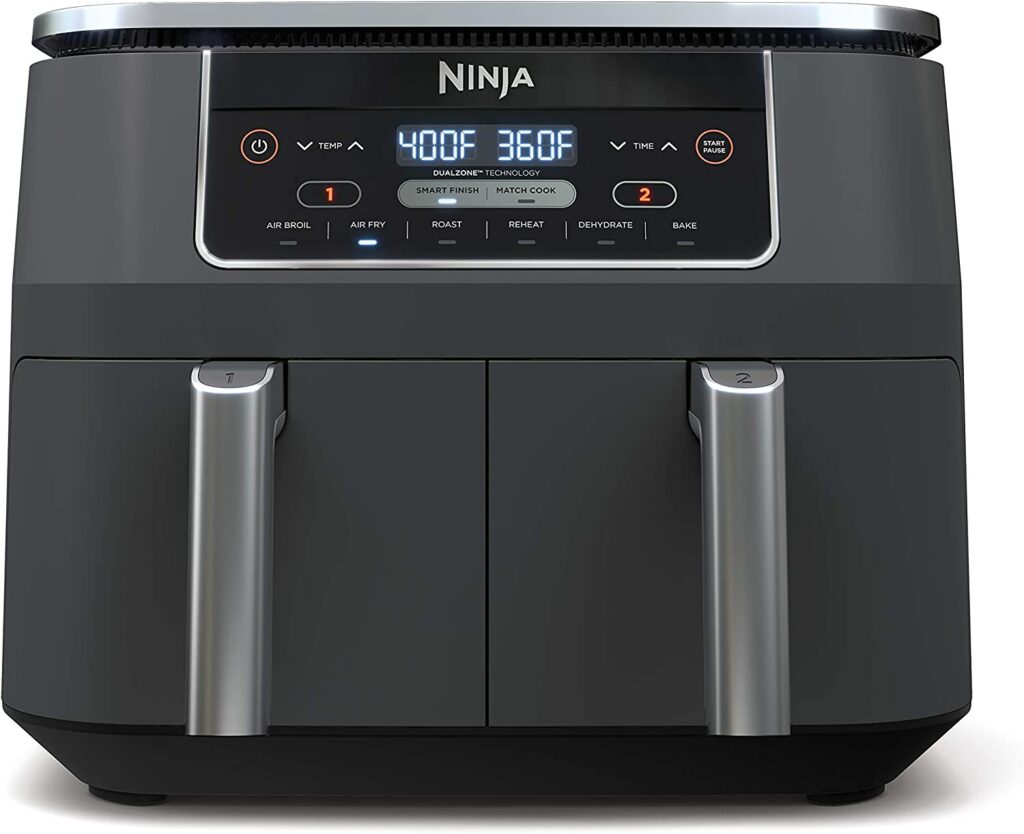
Chuck roast, often considered a tough cut of beef due to its rich connective tissue, is prized for its deep, beefy flavor and tender, melt-in-your-mouth texture when cooked correctly. Traditionally, slow cooking, braising, or roasting are used to transform this hearty cut into a succulent dish, but modern kitchen innovations, like the air fryer, have revolutionized the process. Air fryers use rapid hot air circulation to cook food evenly while creating a crisp, caramelized exterior, making it possible to enjoy the rich flavor of a slow-cooked roast in a fraction of the time. Successfully cooking a chuck roast in an air fryer requires precision with temperature, timing, and preparation techniques to achieve a perfect balance of tenderness and flavor.
Optimal Air Fryer Temperature To Cook Chuck Roast In Air Fryer
Temperature control is crucial when cooking a chuck roast in an air fryer. Chuck roast contains substantial collagen and marbling, which need sufficient heat and time to break down and produce a tender, juicy interior. The ideal air fryer temperature for chuck roast is 325°F (163°C).
Cooking at this moderate temperature ensures a gentle, even heat that allows the connective tissues to melt without drying out the exterior. Cooking at higher temperatures, such as 375°F (190°C) or above, can lead to over-browning on the outside while leaving the inside undercooked or tough. Conversely, cooking at lower temperatures (around 300°F / 149°C) may extend cooking time excessively, risking moisture loss if not monitored carefully.
How Long To Cook Chuck Roast In Air Fryer
Cooking time varies depending on the size and thickness of your chuck roast, but a general guideline is:
- 3 to 4 pounds chuck roast: 60-75 minutes at 325°F (163°C).
- 2 to 3 pounds chuck roast: 50-60 minutes at 325°F (163°C).
It is important to flip the roast halfway through cooking to ensure even heat distribution. Additionally, allowing a resting period of 10-15 minutes after cooking helps redistribute the juices, resulting in a more succulent roast.
How To Tell If It Is Done
Unlike thinner cuts of meat, chuck roast requires a combination of internal temperature checks and tactile cues to ensure doneness:
-
Internal Temperature: Use a meat thermometer to check the thickest part of the roast. For a tender, slow-cooked texture:
- Medium-Rare: 135°F (57°C) – slightly firm, less tender.
- Medium: 145°F (63°C) – moderately firm, some tenderness.
- Well-Done/Tender: 190-200°F (88-93°C) – soft, shreddable, melt-in-your-mouth texture.
- Visual and Tactile Signs: The meat should pull apart easily with a fork, and juices should run clear with minimal resistance when pressed. A slight jiggle or bounce indicates moisture retention, while a very firm, dense texture signals undercooking.
Ingredients Needed
To cook a flavorful air-fried chuck roast, gather the following ingredients:
- 2-4 pounds chuck roast
- 2 tablespoons olive oil
- 1 teaspoon salt (or to taste)
- 1 teaspoon black pepper
- 1 teaspoon garlic powder
- 1 teaspoon onion powder
- 1 teaspoon smoked paprika (optional for depth)
- 1-2 sprigs fresh rosemary or thyme (optional)
- ½ cup beef broth or water (for moisture in the air fryer basket)
Additional vegetables like carrots, onions, and potatoes can be added for a one-pot-style roast, but they should be cut into similar sizes for even cooking.
How To Cook Chuck Roast In Air Fryer
- Preparation: Pat the chuck roast dry with paper towels. This step ensures proper browning and prevents steaming.
- Seasoning: Rub the roast with olive oil, then generously coat all sides with salt, pepper, garlic powder, onion powder, and smoked paprika. Tuck rosemary or thyme under the roast for subtle herbal notes.
- Preheat Air Fryer: Preheat your air fryer to 325°F (163°C) for 5 minutes.
- Cooking: Place the roast in the air fryer basket. Add ½ cup beef broth or water to the bottom tray to maintain moisture and catch drippings. Cook for the recommended time based on weight, flipping halfway through.
- Check Doneness: Use a meat thermometer to ensure the roast has reached the desired internal temperature.
- Rest: Remove from the air fryer and tent loosely with foil for 10-15 minutes before slicing to allow juices to redistribute.
What If I Use A Different Air Fryer Temperature?
Altering the air fryer temperature can significantly impact the final roast:
- Higher Temperatures (350-375°F / 177-190°C): Faster browning but higher risk of a dry exterior and uneven interior. Consider reducing cooking time and monitoring internal temperature closely.
- Lower Temperatures (300°F / 149°C or lower): Gentler cooking, which can enhance tenderness, but may extend cooking time significantly and require extra moisture to prevent drying.
Always adjust the timing proportionally when changing temperatures.
What If I Use A Different Air Fryer Cooking Time?
- Shorter Cooking Time: A roast may remain undercooked and tough, particularly in the center. It may require finishing at a lower temperature or in an oven.
- Longer Cooking Time: Can yield an overly dry or stringy roast unless moisture is continuously monitored. Always ensure juices are retained and the roast is tented after cooking to prevent drying.
When Things Go Wrong
Even with careful preparation, air fryer chuck roast may sometimes present challenges:
- Undercooked Center: Return to the air fryer at a lower temperature to finish cooking slowly. Avoid high heat, which can toughen the exterior.
- Dry Meat: Ensure meat is well-oiled and consider adding liquid to the tray. Resting is essential.
- Burnt Exterior: Lower the cooking temperature slightly and monitor the roast, flipping more frequently to distribute heat evenly.
Expert Tips
- Use a Meat Thermometer: For accuracy and perfect results every time.
- Pat Dry Before Seasoning: Moisture on the surface interferes with browning.
- Flip Halfway Through: Ensures even cooking and crust formation.
- Add Aromatics: Garlic, onions, and herbs enhance flavor in the air fryer’s enclosed space.
- Rest the Roast: Always rest meat after cooking for juicy, tender slices.
- Cut Against the Grain: Slicing this way maximizes tenderness when serving.
FAQs
Can I Cook A Chuck Roast In An Air Fryer?
Yes, a chuck roast can be cooked in an air fryer. While traditionally slow-cooked for tenderness, the air fryer allows for a faster method that can produce a flavorful and tender roast when cooked at the correct temperature and time.
What Is The Ideal Temperature And Cooking Time For Chuck Roast In An Air Fryer?
The recommended temperature is 360°F (182°C). Cooking time depends on the size of the roast: typically 60-90 minutes for a 2-3 pound roast. It’s important to check internal temperature for doneness, aiming for 145°F for medium-rare and up to 160°F for medium-well.
Should I Season Or Marinate The Chuck Roast Before Air Frying?
Yes, seasoning or marinating enhances flavor and can help tenderize the meat. Simple seasonings include salt, pepper, garlic powder, and herbs. A marinade with acidic components like vinegar or citrus juice can further break down connective tissue for a more tender roast.
Do I Need To Sear The Chuck Roast Before Putting It In The Air Fryer?
Searing is optional but recommended for extra flavor. Browning the roast in a hot skillet before air frying helps develop a caramelized crust and improves overall taste. If preferred, the air fryer alone can produce a crust, but searing intensifies it.
How Do I Ensure The Chuck Roast Stays Tender In The Air Fryer?
To maintain tenderness, cover the roast loosely with foil for part of the cooking process, baste occasionally with its own juices, and avoid overcooking. Choosing a roast with good marbling also helps retain moisture during air frying.
Can I Cook Vegetables Along With The Chuck Roast In The Air Fryer?
Yes, vegetables can be added, but it’s best to cut them into uniform pieces and add them during the last 20-30 minutes of cooking to prevent overcooking. Root vegetables like carrots, potatoes, and onions pair well with the flavors of chuck roast.
How Do I Check If The Chuck Roast Is Fully Cooked In An Air Fryer?
Use a meat thermometer to check the internal temperature. For medium-rare, aim for 145°F (63°C), medium 160°F (71°C), and well-done 170°F (77°C). Additionally, the meat should be tender and easily pull apart with a fork.