
How To Cook Dinner Yeast Rolls In Air Fryer [FULL GUIDE]
Recommended Equipments:
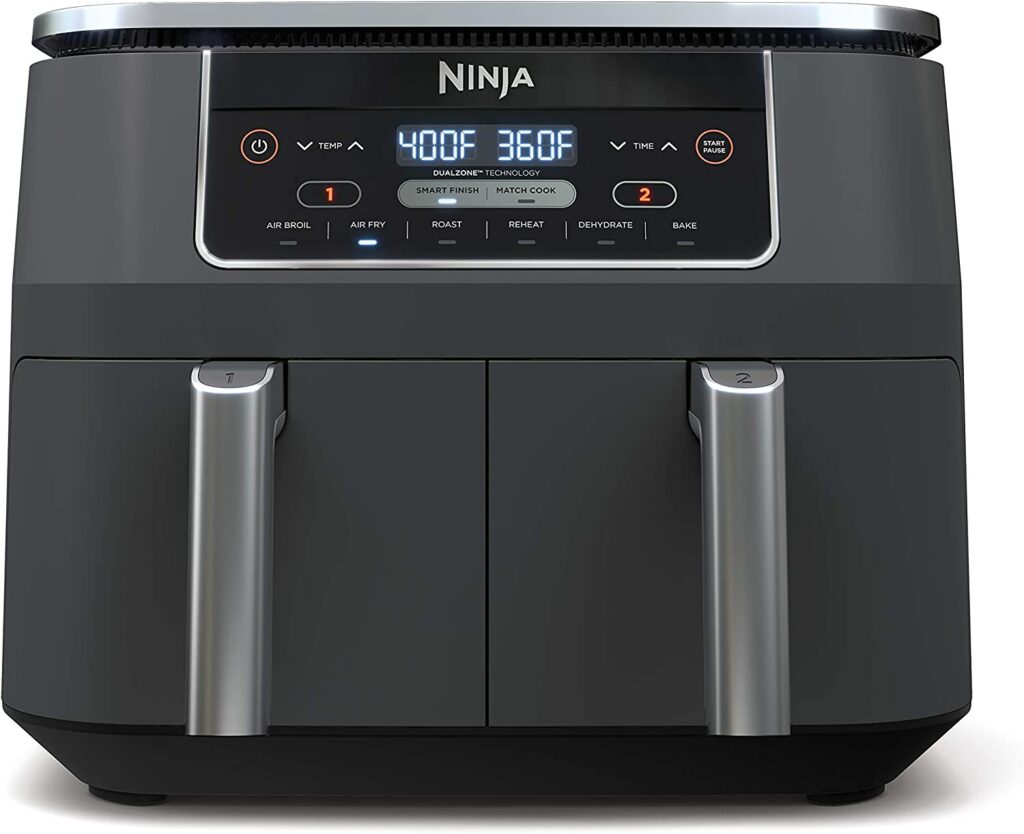
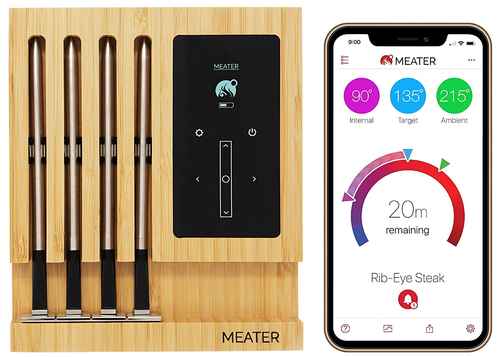
Dinner yeast rolls are a timeless staple on the dinner table, beloved for their soft interior, lightly crisped exterior, and warm, comforting aroma. Traditionally baked in an oven, these rolls take on new life when cooked in an air fryer. The compact, high-heat environment of an air fryer circulates air rapidly around the dough, producing rolls that are evenly browned, beautifully risen, and ready in a fraction of the time compared to conventional baking.
Whether you’re preparing frozen yeast rolls, refrigerated dough, or homemade rolls that have already been proofed, the air fryer offers remarkable consistency and convenience. This guide walks you through the ideal temperature, cooking time, method, and troubleshooting tips to ensure you achieve flawless dinner rolls every time.
Optimal Air Fryer Temperature To Cook Dinner Yeast Rolls In Air Fryer
The best temperature to cook dinner yeast rolls in an air fryer is 350°F (177°C).
This temperature allows the rolls to rise slightly, develop a tender middle, and achieve a golden-brown surface without burning. It strikes the perfect balance between gentle heat for interior baking and strong enough heat for exterior browning. Lower temperatures may lead to pale, undercooked rolls, while higher temperatures can cause premature browning before the centers are done.
How Long To Cook Dinner Yeast Rolls In Air Fryer
Cooking time varies based on roll size and air fryer type, but the general guideline is:
8 To 10 Minutes At 350°F (177°C)
Here is a more precise breakdown:
- Small dinner rolls (1.5-2 inches): 6 to 8 minutes
- Standard medium rolls: 8 to 10 minutes
- Larger, bakery-style rolls: 10 to 12 minutes
If using frozen yeast rolls that were not par-baked, you may need additional 2 to 3 minutes. Always check the center for doneness rather than relying solely on exterior color.
How To Tell If Dinner Rolls Are Done
Determining doneness is essential for perfect texture. Rolls are done when:
- They are golden brown on top, with a uniform color.
- The internal temperature reads 190°F to 200°F when checked with a food thermometer.
- They feel light when lifted, indicating a well-risen interior.
- The bottom is firm and lightly browned, not doughy.
- The center springs back when gently pressed.
If the top looks ready but the interior is still soft and doughy, reduce the temperature to 325°F and cook for an additional 2-3 minutes.
Ingredients Needed
The exact ingredients depend on whether you’re using homemade dough or pre-made rolls. Below are the typical ingredients for homemade yeast rolls that are air-fryer ready:
- All-purpose flour
- Warm milk
- Active dry yeast or instant yeast
- Granulated sugar
- Unsalted butter (melted or softened)
- Salt
- Eggs (optional, depending on the recipe)
- Oil or nonstick spray (for the air fryer basket)
If using store-bought frozen yeast rolls, no additional ingredients are required except a lightly greased air fryer basket or parchment liner.
How To Cook Dinner Yeast Rolls In Air Fryer
Follow these steps to ensure even cooking and perfect texture:
Prepare The Air Fryer
- Preheat the air fryer to 350°F for 3-4 minutes.
- Lightly spray or brush the basket with oil to prevent sticking.
Arrange The Rolls
- Place the rolls in a single layer inside the basket.
- Leave space between them so air can circulate and allow room for expansion.
Cook The Rolls
- Cook at 350°F for 8-10 minutes, checking around minute 6.
- Rotate or turn them only if your air fryer tends to brown unevenly.
Check For Doneness
- Assess color and texture.
- If needed, continue cooking in 2-minute increments.
Serve Warm
- Brush the tops with melted butter for a soft, glossy finish.
- Serve immediately for the best flavor and texture.
What If I Use A Different Air Fryer Temperature?
Lower Temperature (300-325°F)
- Rolls may cook unevenly.
- Exterior may remain pale and soft.
- Interior could become overly dense.
- Cooking time increases by 3-5 minutes.
Higher Temperature (375-400°F)
- Rolls brown very quickly, sometimes before interior fully cooks.
- Risk of burnt tops and raw centers.
- Texture may become overly firm or dry.
Whenever adjusting temperature, monitor the rolls closely and use internal cues rather than strict timing.
What If I Use A Different Air Fryer Cooking Time?
Shorter Time
- Rolls may appear browned on top but remain doughy or gummy inside.
- Structure may collapse when touched.
- Flavor may be overly yeasty due to underbaking.
Longer Time
- Rolls may dry out, becoming tough rather than tender.
- Bottoms may harden excessively.
- Excessive browning may occur, especially at temperatures above 350°F.
If unsure, always check the internal temperature and texture.
When Things Go Wrong
Even seasoned cooks run into issues. Here’s how to diagnose and correct them:
Rolls Burned On Top But Raw Inside
- Temperature too high.
- Place a piece of foil over the rolls and reduce temperature to 325°F.
Rolls Did Not Rise
- Dough was too cold or expired.
- Rolls were overcrowded.
- Not enough proofing time if using homemade dough.
Rolls Too Dry
- Overcooked.
- Excessive temperature.
- Not enough fat or moisture in the dough.
Rolls Stick To The Basket
- Basket wasn’t greased.
- Rolls were placed in before preheating.
Expert Tips
- Preheat your air fryer for consistent results.
- Keep space between rolls to promote even airflow and browning.
- Brush rolls with a small amount of butter before and after cooking for optimal flavor.
- Use parchment liners designed for air fryers to prevent sticking without blocking airflow.
- If preparing homemade dough, ensure it completes its final rise before air frying for maximum fluffiness.
- Use an instant-read thermometer for professional-level accuracy.
FAQs
Can I Cook Dinner Yeast Rolls Directly In The Air Fryer Basket?
Yes, you can cook dinner yeast rolls directly in the air fryer basket, but it is recommended to use parchment paper or a small heatproof tray to prevent sticking and ensure even cooking. Avoid overcrowding the basket, as this can cause the rolls to cook unevenly.
What Temperature Should I Use To Cook Yeast Rolls In An Air Fryer?
Set your air fryer to 350°F (175°C) for cooking yeast rolls. This temperature allows the rolls to cook evenly, develop a golden brown crust, and remain soft and fluffy inside. Cooking time may vary depending on the size of the rolls and your specific air fryer model.
How Long Does It Take To Cook Dinner Yeast Rolls In An Air Fryer?
Dinner yeast rolls typically take 8-12 minutes to cook in an air fryer. Smaller rolls may cook faster, while larger rolls may require additional time. It is important to check for a golden brown color and an internal temperature of at least 190°F (88°C) to ensure they are fully cooked.
Do I Need To Preheat The Air Fryer Before Cooking Yeast Rolls?
Preheating the air fryer is recommended but not strictly necessary. Preheating for 2-3 minutes ensures consistent cooking and helps the rolls rise slightly, giving them a better texture and even browning.
Should I Brush The Yeast Rolls With Butter Before Or After Air Frying?
You can brush the rolls with melted butter either before or after cooking. Brushing before air frying can enhance browning and flavor, while brushing after cooking gives a soft, shiny finish and adds extra richness. Some people do both for maximum flavor.
Can I Freeze Yeast Rolls And Cook Them Later In The Air Fryer?
Yes, you can freeze unbaked yeast rolls. Thaw them completely or allow them to rise slightly before air frying. Cooking from frozen is possible, but it may increase the cooking time by a few minutes, and the texture may be slightly denser compared to fresh rolls.
How Can I Prevent Yeast Rolls From Becoming Dry In The Air Fryer?
To prevent dryness, avoid overcooking the rolls and do not overcrowd the basket. You can also lightly mist the rolls with water before air frying to retain moisture. Brushing with butter after cooking will also help keep the rolls soft and flavorful.