

How To Cook Frozen Jalapeno Poppers In Air Fryer [FULL GUIDE]
Recommended Equipments:
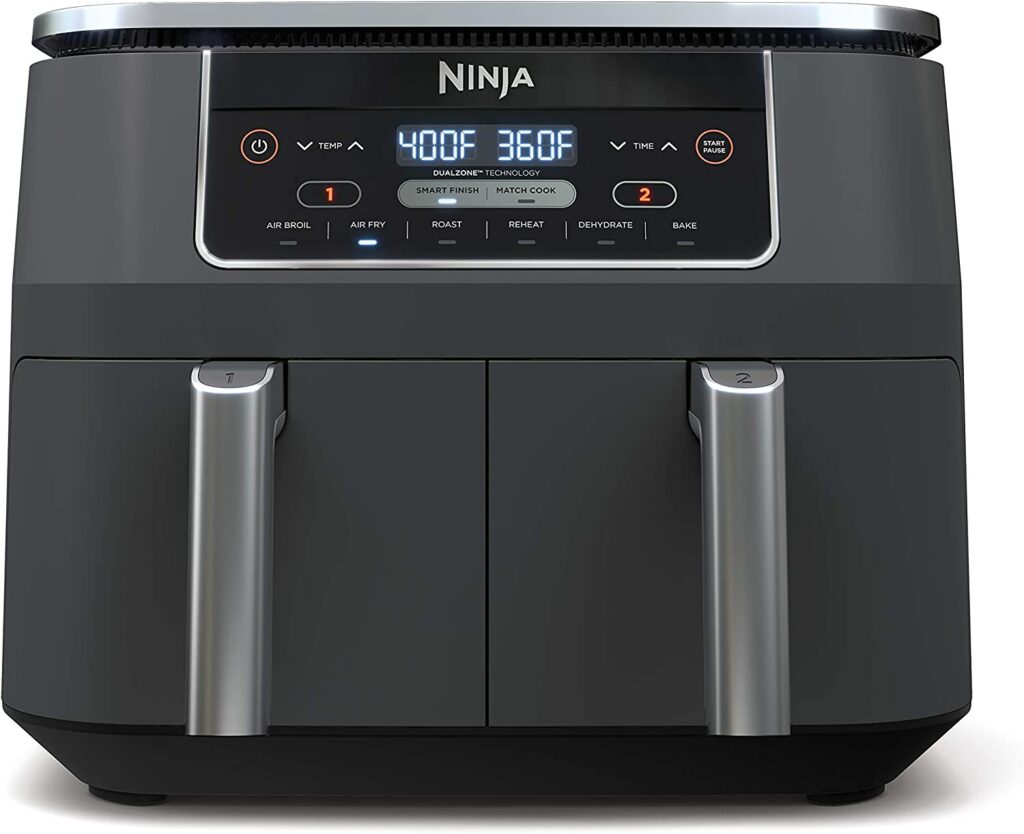
Jalapeño poppers are a beloved appetizer, celebrated for their fiery kick paired with a creamy, cheesy filling and a crispy outer shell. While traditionally deep-fried or oven-baked, the air fryer has revolutionized the way we prepare this snack, delivering a golden, crunchy exterior without the excess oil. Using an air fryer not only enhances the flavor and texture of frozen jalapeño poppers but also drastically reduces cooking time, making it a convenient option for busy weeknights or last-minute gatherings. In this guide, we’ll dive deep into the optimal methods, temperatures, timing, and expert tips for achieving perfectly cooked jalapeño poppers every time.
Optimal Air Fryer Temperature To Cook Frozen Jalapeño Poppers
Temperature is the cornerstone of perfectly cooked jalapeño poppers. Too low, and the exterior will be limp and unappealing; too high, and the filling may spill out before the exterior crisps. For most air fryers, a temperature of 375°F (190°C) is ideal. At this temperature, the exterior becomes golden and crunchy while the creamy cheese inside reaches a gooey, melty perfection.
Some air fryers circulate heat more aggressively than others. If your model tends to cook quickly, consider starting at 360°F (182°C) and checking halfway through. Conversely, if your air fryer has a gentler airflow, 380°F (193°C) may give you a better crunch without overcooking the filling.
How Long To Cook Frozen Jalapeño Poppers In Air Fryer
Time is equally crucial. On average, frozen jalapeño poppers take 10-12 minutes in an air fryer at 375°F (190°C). It’s best to cook them in a single layer with some space in between to allow hot air to circulate freely. Cooking in batches may be necessary for smaller air fryer baskets.
For exceptionally large or breaded poppers, an additional 1-2 minutes may be required. Always monitor the last few minutes closely, as the difference between perfectly crispy and slightly burnt can be mere seconds.
How To Tell If It Is Done
Determining doneness is both an art and a science:
- Exterior: The breading should be golden brown and crisp. Lightly shake the basket or press gently with tongs; it should feel firm, not soggy.
- Interior: The cheese filling should be fully melted and slightly bubbling. If it oozes out when bitten, it’s a good sign that the popper is hot all the way through.
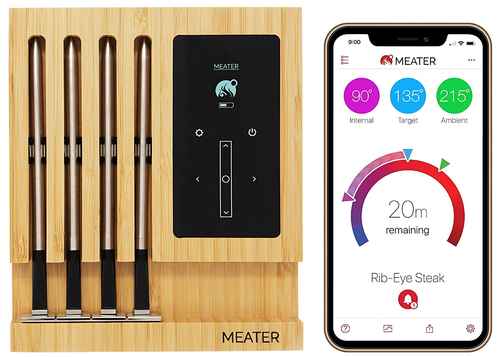
- Optional thermometer check: For precision, the interior should reach at least 165°F (74°C) to ensure it’s heated thoroughly.
Ingredients Needed
To cook frozen jalapeño poppers in an air fryer, you need:
- 1 bag of frozen jalapeño poppers (store-bought or pre-prepared)
- Optional: Cooking spray or a light brush of oil (for extra crispiness)
- Optional dips for serving: ranch, blue cheese, or spicy mayo
No other ingredients are required, making this an effortless and quick snack.
How To Cook Frozen Jalapeño Poppers In Air Fryer
- Preheat your air fryer to 375°F (190°C) for 3-5 minutes.
- Arrange the poppers in a single layer in the basket, leaving space between each piece.
- Optional: Lightly spray the poppers with oil to enhance crispiness.
- Cook for 10-12 minutes, shaking the basket or turning halfway through for even browning.
- Check for doneness by ensuring the breading is golden and the filling is melted.
- Serve immediately, ideally with dipping sauces of your choice.
What If I Use A Different Air Fryer Temperature?
Using a higher temperature (400°F/204°C) will cook the exterior faster, which can result in the cheese inside leaking out if the popper hasn’t heated evenly. Conversely, using a lower temperature (350°F/177°C) will ensure thorough cooking of the filling but may produce a less crispy exterior. Adjust cooking time accordingly: higher temperature, shorter time; lower temperature, longer time.
What If I Use A Different Air Fryer Cooking Time?
Cooking too long can burn the breading while drying out the cheese, producing a tough texture. Cooking too briefly leaves the interior cold or partially melted. If adjusting time, always check halfway and look for visual cues: golden exterior, firm breading, and bubbling interior.
When Things Go Wrong
- Popper is soggy: Likely overcrowding or insufficient temperature. Cook in a single layer and ensure hot air circulation.
- Cheese oozes out excessively: Check the temperature; slightly lower heat or shorter cooking time can prevent spillage.
- Uneven browning: Turn halfway through cooking or shake the basket gently.
Expert Tips
- Single layer cooking is key for crispiness. Overcrowding is the most common mistake.
- Preheating ensures even cooking from the start.
- Optional oil spray improves color and crunch but is not necessary for frozen pre-breaded poppers.
- Shake or flip halfway to prevent uneven cooking.
- Serve immediately; the crust softens if left sitting.
FAQs
Do I Need To Thaw Frozen Jalapeno Poppers Before Cooking Them In An Air Fryer?
No, you do not need to thaw frozen jalapeno poppers before air frying. They can be cooked directly from frozen, which helps retain their shape and prevents them from becoming soggy.
What Temperature Should I Set My Air Fryer To Cook Frozen Jalapeno Poppers?
The optimal temperature for cooking frozen jalapeno poppers in an air fryer is generally 375°F (190°C). This ensures that the poppers cook evenly and develop a crispy exterior without burning.
How Long Does It Take To Cook Frozen Jalapeno Poppers In An Air Fryer?
Cooking time usually ranges from 10 to 15 minutes, depending on the size of the poppers and the brand of the air fryer. It is recommended to check them at the 10-minute mark and shake the basket or flip them for even cooking.
Should I Spray The Air Fryer Basket With Oil Before Cooking?
Yes, lightly spraying the air fryer basket with cooking oil can help prevent sticking and improve the crispiness of the jalapeno poppers. However, some frozen poppers already contain a coating that reduces sticking, so minimal oil is sufficient.
How Can I Tell If The Jalapeno Poppers Are Fully Cooked?
The poppers are fully cooked when the exterior is golden brown and crispy, and the cheese filling inside is hot and melted. You can carefully cut one open to check if the cheese is thoroughly melted.
Is It Necessary To Flip The Poppers During Cooking?
Yes, flipping or shaking the poppers halfway through cooking ensures even browning and crispiness on all sides. This step is especially important if your air fryer has hot spots.
Can I Cook Multiple Batches At Once In The Air Fryer?
You can cook multiple poppers in one batch, but avoid overcrowding the basket. Proper air circulation is essential for even cooking and maintaining a crispy texture. If necessary, cook in two smaller batches for the best results.