
How To Cook Turkey In Air Fryer [FULL GUIDE]
Recommended Equipments:
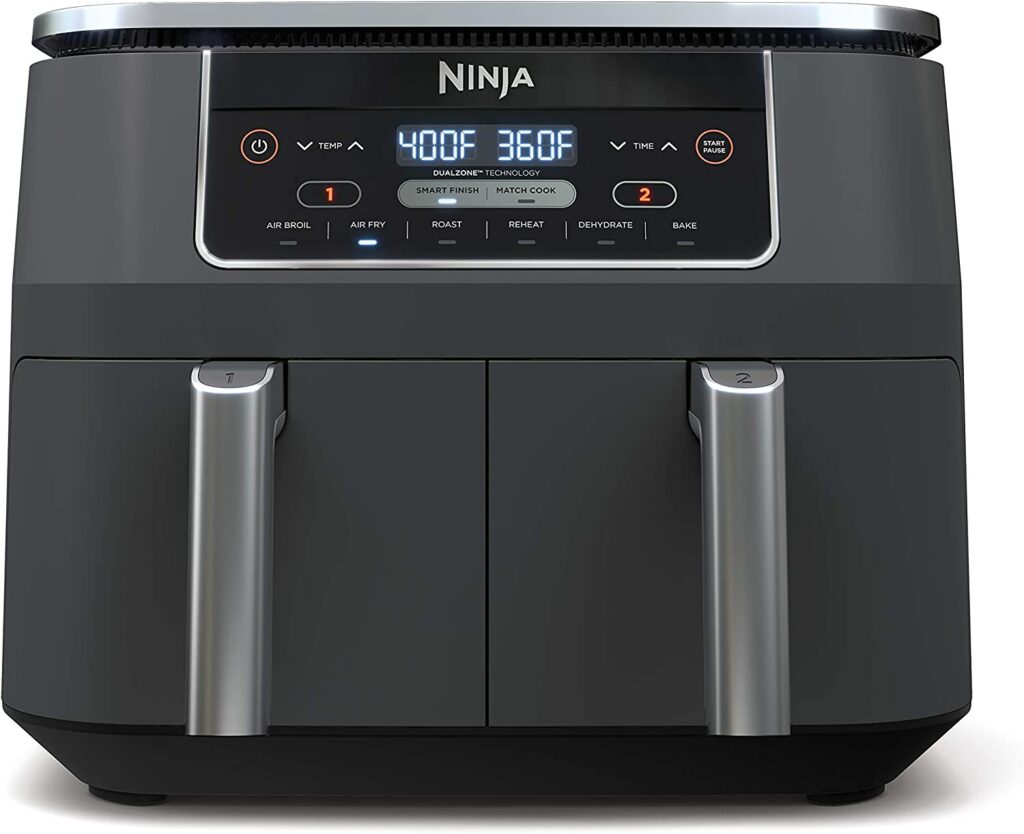
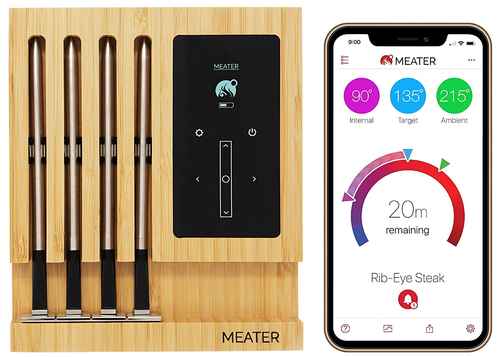
Cooking turkey is often associated with large ovens, long cooking times, and anxious anticipation of dry meat. But with the advent of air fryers, a whole new approach has emerged-one that promises a crispy exterior, juicy interior, and far less time in the kitchen. Air frying uses rapid hot air circulation to cook food evenly, which can transform your turkey into a golden-brown masterpiece with minimal fuss. Whether you’re preparing a small turkey breast for a weekday dinner or a whole turkey for a holiday feast, understanding the nuances of air fryer cooking is crucial for achieving a perfectly cooked bird.
Unlike traditional roasting, air frying requires attention to temperature, timing, and the size of the turkey, but it also opens the door to a faster, more convenient, and equally delicious alternative. The goal is to achieve a golden, crisp skin while keeping the meat tender and juicy-a delicate balance that the air fryer can master with precision.
Optimal Air Fryer Temperature To Cook Turkey In Air Fryer
Temperature control is critical when air frying turkey. Unlike an oven, where heat radiates slowly, an air fryer circulates air rapidly, which can intensify browning and crisping. For most cuts of turkey, a temperature range between 325°F (163°C) and 375°F (190°C) is ideal.
- 325°F (163°C): This lower temperature is perfect for larger pieces or whole small turkeys, allowing the meat to cook evenly without drying out while still developing a lightly browned skin.
- 350°F (177°C): Considered the standard “sweet spot”, this temperature balances crisp skin with juicy meat. Most recipes recommend starting here for both turkey breast and smaller whole turkeys.
- 375°F (190°C): Use this slightly higher temperature for turkey pieces or breasts when you want faster cooking and a more pronounced golden-brown skin. However, higher temperatures require close monitoring to prevent the exterior from overcooking before the interior reaches a safe temperature.
How Long To Cook Turkey In Air Fryer
Cooking time depends heavily on the size and cut of your turkey:
- Turkey Breast: 3-5 pounds takes roughly 60-75 minutes at 350°F, flipping halfway through for even browning.
- Turkey Thighs/Legs: 2-3 pounds can cook in 35-45 minutes at 350°F.
- Whole Small Turkey (6-8 pounds): 90-120 minutes at 325°F, checking periodically to avoid overcooking.
A good rule of thumb is 15 minutes per pound for breast meat and 12 minutes per pound for dark meat, adjusting slightly based on your air fryer model. Always allow the turkey to rest for 10-15 minutes after cooking to let the juices redistribute.
How To Tell If It Is Done
Visual cues and internal temperature are your best friends when cooking turkey in an air fryer.
- Internal Temperature: Use a meat thermometer. The USDA recommends 165°F (74°C) for the thickest part of the turkey breast and 175°F (80°C) for thighs.
- Juices: The meat should release clear juices, not pink or reddish liquid.
- Skin and Color: A golden-brown skin and slightly firm texture indicate readiness. Be wary of overly dark skin-this could signal overcooking if the interior hasn’t reached a safe temperature.
Ingredients Needed
The simplicity of air fryer turkey allows for flexible seasoning. At a minimum, you’ll need:
- Turkey breast, thigh, or whole small turkey (appropriately sized for your air fryer)
- Olive oil or melted butter (to coat skin)
- Salt and pepper
- Optional herbs: rosemary, thyme, sage, or garlic powder
- Optional marinade or brine for enhanced moisture and flavor
How To Cook Turkey In Air Fryer
- Prepare the Turkey: Pat the turkey dry to ensure crisp skin. Rub with olive oil or melted butter. Season generously with salt, pepper, and preferred herbs.
- Preheat the Air Fryer: Set the temperature to 350°F (177°C) for most turkey cuts. Preheating ensures even cooking from the start.
- Arrange in Basket: Place the turkey in the air fryer basket, skin side up. Do not overcrowd; air circulation is key.
- Cook and Flip: Cook according to size. Flip halfway if cooking pieces to ensure even browning.
- Monitor Temperature: Use a meat thermometer to check doneness. Once the turkey reaches the recommended internal temperature, remove it.
- Rest Before Serving: Tent loosely with foil and let rest 10-15 minutes to redistribute juices.
What If I Use A Different Air Fryer Temperature?
Adjusting temperature alters the cooking dynamics:
- Lower Temperature (300-325°F): Slower cooking, more even moisture retention, less risk of burning, but longer total cook time. Ideal for larger pieces or whole turkeys.
- Higher Temperature (375-400°F): Faster cooking, crispier skin, but higher risk of dry meat if not monitored closely. Shorter cook times require precise timing and frequent temperature checks.
What If I Use A Different Air Fryer Cooking Time?
Cooking too short: The turkey will be undercooked, potentially unsafe, with pale skin. Always check internal temperature rather than relying solely on time.
Cooking too long: Overcooked turkey becomes dry, stringy, and less flavorful. Resting can help a little, but proper timing is the best prevention.
Always adjust time incrementally, checking every 10-15 minutes toward the end of cooking.
When Things Go Wrong
Even with careful planning, mistakes can happen:
- Turkey is Undercooked: Continue cooking at a lower temperature until the internal temperature reaches 165°F.
- Skin is Burned Before Meat is Done: Cover the turkey loosely with foil and lower the temperature to finish cooking the interior.
- Dry Meat: Resting helps, but future prevention includes brining, adding fat (butter/oil), and not overcooking.
- Uneven Cooking: Ensure the turkey pieces are similar in size and properly spaced in the basket to allow air circulation.
Expert Tips
- Brine for Juiciness: Even a short brine (1-2 hours) can dramatically improve moisture retention.
- Use a Meat Thermometer: This is non-negotiable for air fryer turkey; timing varies with bird size.
- Don’t Overcrowd: Air circulation is the secret to crispy skin.
- Butter Under Skin: For added flavor and moisture, gently insert butter or herb mixture under the skin.
- Rotate and Flip: Small adjustments prevent uneven cooking.
- Tent With Foil During Rest: Keeps juices in while letting the turkey cool slightly for serving.
FAQs
What Size Turkey Can I Cook In An Air Fryer?
Most standard air fryers can accommodate turkeys up to 6-8 pounds. For larger birds, you may need to cut the turkey into parts, such as breasts, thighs, and wings, to ensure even cooking. Always check your air fryer’s basket dimensions and weight capacity before attempting to cook a whole turkey.
Do I Need To Thaw The Turkey Before Air Frying?
Yes, the turkey should be fully thawed before air frying. Cooking a frozen or partially frozen turkey can result in uneven cooking, with the exterior potentially overcooking while the interior remains undercooked. Allow 24-48 hours for thawing in the refrigerator for a standard 6-8 pound turkey.
What Temperature And Time Should I Set For Air Frying A Turkey?
A common guideline is to preheat the air fryer to 325°F (163°C) and cook the turkey for 15-20 minutes per pound. Always use a meat thermometer to check for doneness; the internal temperature should reach 165°F (74°C) in the thickest part of the breast and 175°F (79°C) in the thigh.
Should I Season Or Brine The Turkey Before Air Frying?
Seasoning the turkey with herbs, spices, or a dry rub is recommended for flavor. Brining is optional but can help retain moisture, especially for leaner cuts. If using a wet brine, make sure to pat the turkey dry before placing it in the air fryer to ensure crisp skin.
Do I Need To Cover The Turkey With Foil In An Air Fryer?
Generally, covering the turkey with foil is not necessary because the air fryer promotes even browning and crisping. However, if the skin is browning too quickly while the meat is still cooking, you can loosely tent foil over the turkey to prevent burning.
How Often Should I Check Or Baste The Turkey While Air Frying?
Basting is optional in an air fryer, as circulating hot air tends to cook the turkey evenly and keeps it moist. If you prefer, you can baste every 30-40 minutes with pan juices, butter, or oil to enhance flavor and color. Frequent opening of the air fryer basket should be minimized to maintain consistent cooking temperature.
How Do I Ensure The Turkey Is Fully Cooked And Safe To Eat?
The most reliable method is using a digital meat thermometer. Insert it into the thickest part of the breast and thigh without touching bone. The turkey is safe to eat when the breast reaches 165°F (74°C) and the thigh reaches 175°F (79°C). After cooking, let the turkey rest for 10-15 minutes before carving to allow juices to redistribute.