How To Cook Popcorn In Air Fryer [FULL GUIDE]
Recommended Equipments:
Popcorn is one of the world’s most beloved snacks-a simple combination of heat, corn, and a little patience transforms tiny kernels into fluffy, crunchy morsels. Traditionally, popcorn has been associated with stovetops, microwave bags, or cinema concession stands, but with the rise of air fryers, a new method has emerged that combines convenience, speed, and the ability to control ingredients. Air fryers use rapid circulating hot air to cook food evenly, which can also make for surprisingly excellent popcorn. This method eliminates the need for oil (or drastically reduces it), producing a healthier snack while still retaining that satisfying crunch. Understanding the nuances of temperature, time, and technique is essential to master air fryer popcorn, and this guide will provide an in-depth roadmap for success.
Optimal Air Fryer Temperature To Cook Popcorn In Air Fryer
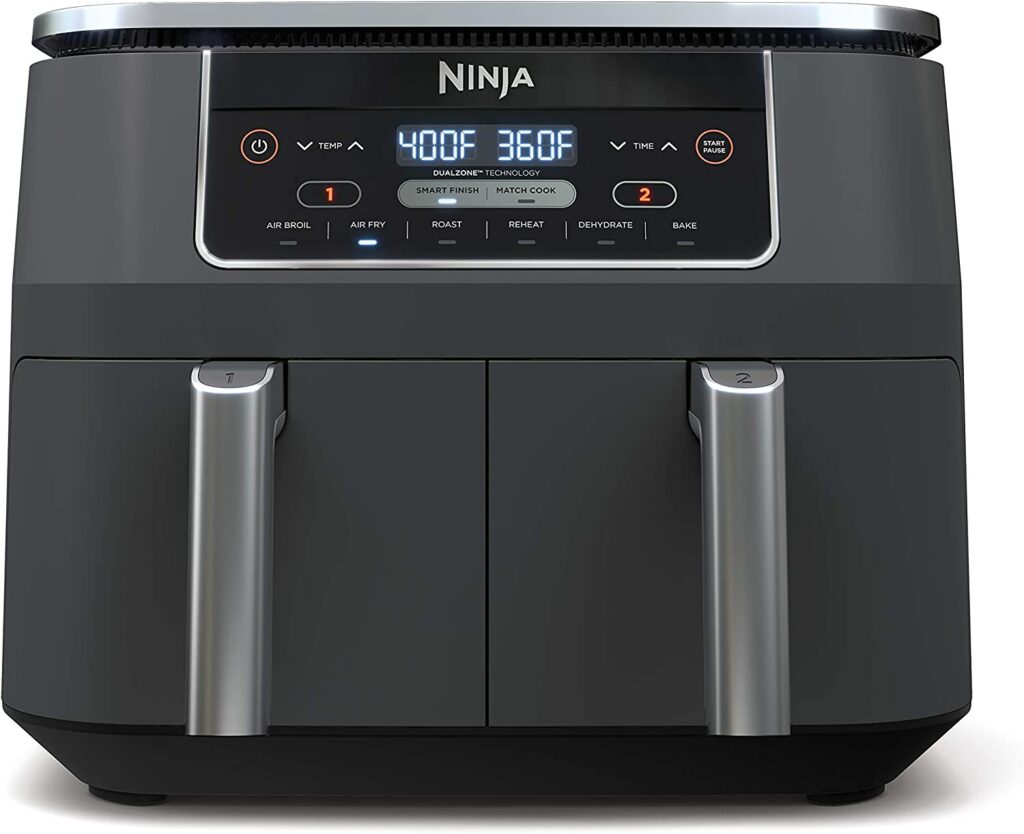
The key to perfect air-fried popcorn lies in the temperature. Popcorn kernels require high heat to reach the critical point at which the water inside them turns to steam, builds pressure, and ultimately causes the kernel to explode into the familiar fluffy shape. In an air fryer, the optimal temperature is typically between 400°F and 420°F (204°C-215°C). Temperatures lower than this may result in kernels that barely pop or take too long, causing uneven cooking. Temperatures higher than this range risk burning the delicate popped corn before all kernels have fully expanded.
Maintaining a consistent temperature is critical; most modern air fryers circulate hot air very efficiently, but if your model has hotspots or fluctuates, some kernels may remain unpopped. Starting with the recommended range ensures the best balance between fully popped corn and minimal burning.
How Long To Cook Popcorn In Air Fryer
Time and temperature go hand in hand. At 400°F-420°F, popcorn typically requires 8-12 minutes to pop completely, depending on the quantity of kernels and the specific air fryer model. Smaller batches will pop more quickly, while larger batches might require a slightly longer duration to ensure even heating.
Unlike microwave popcorn, where you listen for a dramatic slowing of pops, air fryer popcorn benefits from periodic observation. This is because air fryers can vary, and leaving popcorn unattended could result in burning. A timer is a helpful starting point, but sensory cues (sound, smell, and appearance) are equally essential.
How To Tell If It Is Done
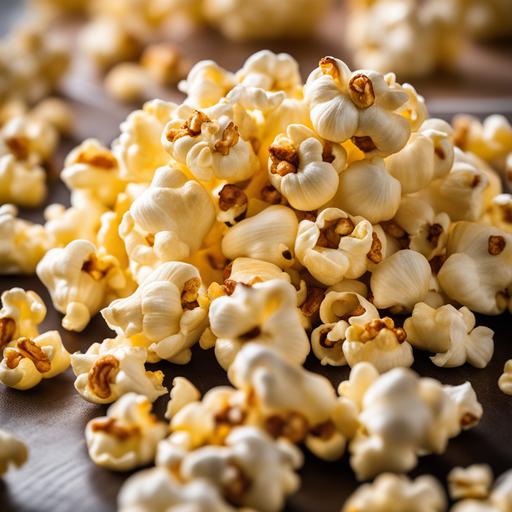
You’ll know your popcorn is ready when the rapid popping slows significantly, usually leaving gaps of 2-3 seconds between pops. Visually, the kernels will have fully expanded, and the popcorn will appear light and airy rather than dense. A faint nutty aroma will also emerge, a hallmark of properly cooked popcorn. Avoid overcooking, as the popcorn can quickly shift from golden brown to burnt, imparting an unpleasant bitter taste.
Ingredients Needed
To make air fryer popcorn, you need minimal ingredients:
- Popcorn kernels: The base ingredient, preferably fresh for optimal popping.
- Optional oil: 1-2 teaspoons (can be skipped for oil-free popcorn).
- Seasonings: Salt, melted butter, nutritional yeast, or spices of your choice.
The beauty of air fryer popcorn is its versatility-you can experiment with flavors after cooking, from sweet cinnamon sugar to savory chili lime.
How To Cook Popcorn In Air Fryer
- Preheat the air fryer: Set the temperature to 400°F-420°F and allow it to preheat for 3-5 minutes.
- Prepare the kernels: Lightly coat the kernels with oil if desired, then place them in a single layer in the air fryer basket. Avoid overcrowding; a single layer ensures even heat circulation.
- Cook: Insert the basket and cook for 8-12 minutes. Shake the basket gently halfway through to promote even popping.
- Monitor: Listen for the slowing of pops and watch for fully expanded kernels.
- Season: Once done, transfer to a bowl and immediately season with your preferred toppings while the popcorn is still warm.
What If I Use A Different Air Fryer Temperature?
Using a lower temperature (e.g., 350°F) may result in slow or uneven popping. Some kernels might not pop at all, while others could dry out, yielding dense, tough popcorn. Conversely, using a higher temperature (e.g., 450°F) can accelerate popping but dramatically increases the risk of burnt pieces, as the delicate starch and moisture inside the kernels cannot handle the intense heat evenly. If you experiment with temperature, adjust cooking time accordingly and closely monitor the process.
What If I Use A Different Air Fryer Cooking Time?
Shortening the time risks leaving a significant number of unpopped kernels, while extending it may lead to burning the popped corn. The key is to find the ’sweet spot’ for your specific air fryer and batch size. If your popcorn hasn’t fully popped by the recommended time, extend in 1-2 minute increments, always checking frequently. Overcooking is easy in an air fryer, so incremental adjustments are safer than guessing a longer duration upfront.
When Things Go Wrong
Common issues with air fryer popcorn include:
- Too many unpopped kernels: Often due to overcrowding, insufficient heat, or stale kernels.
- Burned popcorn: Usually a result of excessive temperature, prolonged cooking, or lack of monitoring.
- Uneven popping: Can happen if kernels are stacked or the air fryer basket does not circulate heat efficiently.
Solution strategies include reducing batch size, shaking the basket mid-cooking, preheating the fryer, and checking the freshness of kernels.
Expert Tips
- Use fresh kernels: Popcorn pops best when kernels have a moisture content of around 13-14%. Old, dry kernels may never pop fully.
- Shake the basket: Halfway through cooking, gently shake the basket to redistribute kernels for even heat exposure.
- Experiment with seasoning: Season while hot for better adherence.
- Avoid excess oil: A teaspoon or two is sufficient if desired; too much oil can reduce airflow and create soggy popcorn.
- Test small batches first: This allows you to calibrate time and temperature for your specific air fryer.
FAQs
Can I Cook Popcorn In An Air Fryer?
Yes, you can cook popcorn in an air fryer. Air fryers use hot circulating air, which can pop the kernels if the right temperature and timing are used. However, it is important to monitor closely as popcorn can burn quickly due to the concentrated heat.
What Type Of Popcorn Is Best For An Air Fryer?
Plain, unpopped kernels are best for air fryer popcorn. Avoid pre-flavored or microwave popcorn packets as they may contain additives or packaging that are not safe for air fryer use.
Do I Need To Use Oil When Cooking Popcorn In An Air Fryer?
Using a small amount of oil is optional. A teaspoon of oil can help the kernels pop more evenly and add flavor, but popcorn can also be air-popped without oil. Ensure the kernels are lightly coated, not drenched, to prevent excess smoke.
What Temperature Should I Use To Cook Popcorn In An Air Fryer?
The recommended temperature is generally between 400°F (200°C) and 430°F (220°C). Cooking at too low a temperature may prevent kernels from popping, while too high a temperature can burn them quickly.
How Long Does It Take To Air Fry Popcorn?
Cooking time usually ranges from 8 to 12 minutes, depending on the air fryer model and quantity of kernels. It is important to shake the basket or stir the kernels halfway through to ensure even popping and prevent burning.
How Can I Prevent Popcorn From Burning In An Air Fryer?
To prevent burning, avoid overfilling the air fryer basket and monitor the popcorn closely while cooking. Shaking the basket periodically helps distribute heat evenly. Starting with a lower temperature and gradually increasing it can also reduce the risk of burning.
Can I Season Air-fried Popcorn Directly In The Air Fryer?
It is not recommended to add heavy seasonings or butter before cooking in the air fryer as they may cause smoke or uneven popping. Season the popcorn after it has been cooked for the best flavor and texture.