
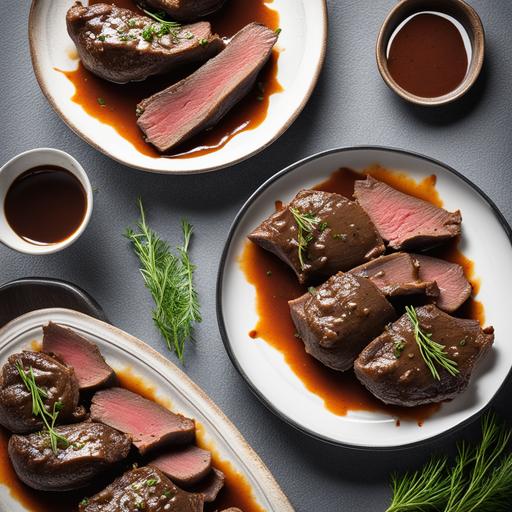
How To Cook Beef Liver In Air Fryer [FULL GUIDE]
Recommended Equipments:
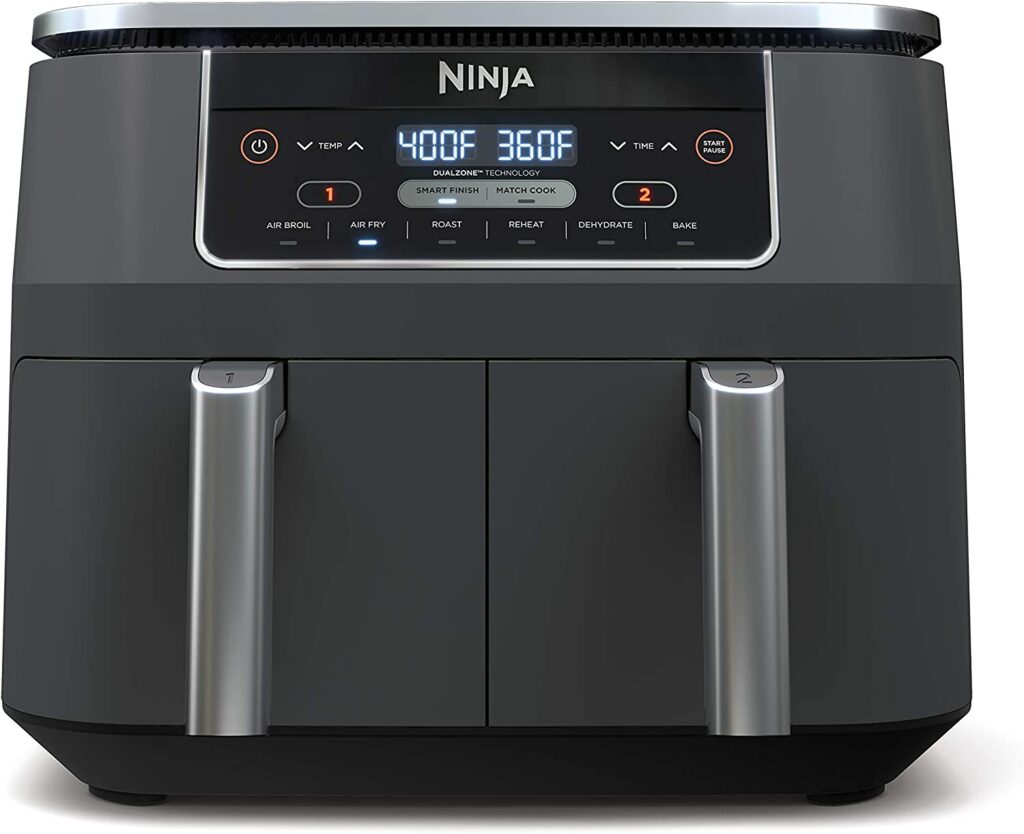
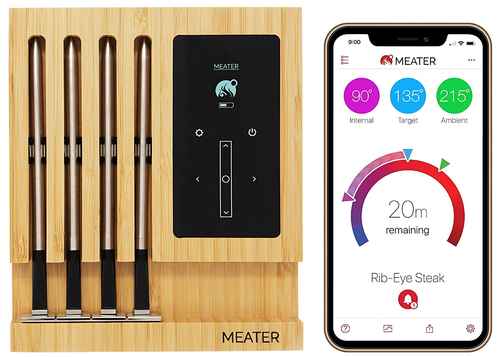
Beef liver, often overlooked in favor of more conventional cuts of meat, is a nutritional powerhouse. Rich in iron, vitamin A, and essential B vitamins, it provides numerous health benefits while delivering a robust, earthy flavor unique to organ meats. Cooking liver can be intimidating for many, as it’s easy to overcook and end up with a dry, tough texture. Enter the air fryer-a kitchen marvel that allows for even cooking, minimal oil usage, and a perfect balance of crispy exterior and tender interior. In this guide, we’ll explore every detail necessary to master air-fried beef liver, from selecting the right temperature to knowing exactly when it’s done, ensuring every bite is flavorful and perfectly cooked.
Optimal Air Fryer Temperature To Cook Beef Liver In Air Fryer
Temperature control is crucial when cooking beef liver in an air fryer. Because liver is a delicate organ meat, it is extremely prone to overcooking. The optimal temperature range is 370°F to 400°F (188°C to 204°C).
- Lower end (370°F / 188°C): This temperature ensures gentle cooking, preserving the tenderness of the liver and preventing a rubbery texture. It’s ideal for thicker slices or for those who prefer slightly pink interiors.
- Higher end (400°F / 204°C): This is suitable for thinner slices or if you want a more pronounced sear on the outside. However, at this temperature, liver cooks faster, so timing becomes more critical to avoid toughness.
By sticking to this range, you strike the perfect balance between a caramelized exterior and a tender, juicy interior.
How Long To Cook Beef Liver In Air Fryer
Cooking time for beef liver in an air fryer varies depending on slice thickness and temperature:
- Thin slices (½ inch / 1.27 cm): 6-8 minutes, flipping halfway through.
- Medium slices (¾ inch / 1.9 cm): 8-10 minutes, flipping halfway through.
- Thicker slices (1 inch / 2.5 cm): 10-12 minutes, flipping halfway through.
Air fryers cook by circulating hot air, which speeds up cooking and creates a slightly crisp outer layer, making it important to monitor liver closely. Unlike steaks, liver does not benefit from long cooking; overcooking causes it to dry out and develop a bitter taste.
How To Tell If It Is Done
Unlike beef or chicken, liver should never be cooked to well-done. Ideally, it should remain slightly pink in the center, which keeps it tender and flavorful. Here’s how to check:
- Visual Inspection: The edges should be browned, while the interior should have a soft pinkish hue.
- Touch Test: Gently press the liver with a spatula. It should feel firm but yield slightly under pressure.
- Internal Temperature: For precision, use a meat thermometer. Perfectly cooked liver registers 145°F (63°C) in the center.
Avoid cutting into it prematurely-letting it rest for a few minutes after cooking allows juices to redistribute and prevents drying.
Ingredients Needed
To create air-fried beef liver that’s both flavorful and tender, gather the following:
- 1 pound (450g) beef liver, sliced into ½-1 inch pieces
- 1-2 tablespoons olive oil or melted butter
- Salt and freshly ground black pepper, to taste
- Optional flavor enhancers: garlic powder, smoked paprika, onion powder, or fresh herbs like thyme or rosemary
- 1 tablespoon flour or cornstarch (optional, for a light coating)
This combination ensures a lightly seasoned liver with a slightly crispy exterior and rich, savory taste.
How To Cook Beef Liver In Air Fryer
- Prep the Liver: Rinse the liver under cold water and pat dry. Remove any membrane or connective tissue to avoid toughness.
- Season: Lightly coat the liver with oil or melted butter, then sprinkle with salt, pepper, and optional spices.
- Optional Coating: Dust lightly with flour or cornstarch for a slight crispiness. Shake off excess to prevent clumping.
- Preheat Air Fryer: Preheat to 375°F (190°C) for 3-5 minutes.
- Arrange Liver: Place slices in a single layer in the basket, ensuring they don’t overlap. Crowding the basket leads to uneven cooking.
- Air Fry: Cook for 6-12 minutes depending on thickness, flipping halfway through. Adjust slightly based on your air fryer model.
- Rest and Serve: Remove liver from the air fryer and let it rest for 3-5 minutes before serving to allow juices to redistribute.
What If I Use A Different Air Fryer Temperature?
- Lower Temperatures (≤350°F / 177°C): Liver will cook more slowly, which can help maintain tenderness, but the exterior may not brown as well. You may need to extend cooking time by 2-4 minutes.
- Higher Temperatures (≥410°F / 210°C): The liver may sear too quickly, potentially causing a dry, tough interior before the outside is properly browned. Shorten cooking time and monitor closely.
Adjusting temperature is a balancing act: too low risks under-browning; too high risks overcooking.
What If I Use A Different Air Fryer Cooking Time?
Cooking time is directly tied to liver thickness and temperature. Deviating from recommended times may result in:
- Under-cooked Liver: If too short, the liver may be too raw, slightly metallic in taste, and unsafe if internal temperature hasn’t reached 145°F (63°C).
- Overcooked Liver: Too long, and the liver becomes dry, tough, and develops a bitter aftertaste.
Always monitor liver visually and use a thermometer if unsure.
When Things Go Wrong
Common mistakes when air frying liver include:
- Overcrowding the Basket: Leads to uneven cooking and reduced crispiness.
- Overcooking: Even a minute too long can turn tender liver into a chewy nightmare.
- Skipping Rest Time: Cutting immediately after cooking releases all juices, leaving the liver dry.
- Ignoring Prepping Steps: Membranes and connective tissue can cause a chewy texture if not removed.
Avoid these pitfalls to ensure perfectly cooked liver every time.
Expert Tips
- Soak in Milk: Optional but highly effective-soaking liver in milk for 30 minutes before cooking reduces bitterness and enhances tenderness.
- Uniform Slices: Cut liver into consistent thickness for even cooking.
- Use a Meat Thermometer: Helps avoid overcooking.
- Pair with Onions: Caramelized onions complement liver’s earthy flavor.
- Minimal Flipping: Flip only once during cooking to maintain surface texture.
FAQs
What Is The Best Way To Prepare Beef Liver Before Air Frying?
To prepare beef liver for air frying, first rinse the liver under cold water and pat it dry with paper towels. Trim any visible connective tissue or membranes, then slice the liver into even pieces, typically 1/2 to 1 inch thick, to ensure uniform cooking. Marinating the liver in milk for 30 minutes to 2 hours can help reduce its strong, metallic taste and tenderize it.
What Temperature And Time Should I Use To Cook Beef Liver In An Air Fryer?
Preheat your air fryer to 360°F (182°C). Cook the liver slices for 8-12 minutes, flipping halfway through the cooking time. Thicker slices may require a few extra minutes. The liver should be slightly pink in the center for optimal tenderness; overcooking can make it tough and dry.
Do I Need To Use Oil When Air Frying Beef Liver?
Using a small amount of oil is recommended to prevent sticking and enhance flavor. Lightly brush or spray the liver slices with a high smoke-point oil, such as avocado or canola oil. Excess oil is unnecessary, as the air fryer circulates hot air to create a crispy exterior naturally.
How Can I Season Beef Liver For Air Frying?
Beef liver can be seasoned simply with salt, pepper, garlic powder, and onion powder. You can also add paprika or dried herbs like thyme and rosemary for extra flavor. Marinating in a mixture of soy sauce, Worcestershire sauce, or lemon juice before cooking can further enhance the taste.
How Do I Know When The Beef Liver Is Cooked Perfectly?
The liver is done when the internal temperature reaches 160°F (71°C) and it has a slightly pink center. The exterior should be browned and slightly crisp. Overcooking will result in a dry, grainy texture, so it’s important to check the liver a few minutes before the estimated cooking time is complete.
Can I Cook Frozen Beef Liver Directly In The Air Fryer?
It’s best to thaw beef liver completely in the refrigerator before air frying. Cooking frozen liver may result in uneven cooking, with the outside overcooked while the inside remains raw. Thawing also allows for proper seasoning and marination.
What Are Some Tips To Improve The Texture And Taste Of Air-fried Beef Liver?
To improve texture, soak the liver in milk before cooking and slice it evenly. Avoid overcooking to prevent toughness. For taste, season well, marinate for flavor, and pair it with onions or herbs. Letting the liver rest for a few minutes after cooking allows juices to redistribute, making it more tender and flavorful.