
How To Make Cake In Air Fryer [FULL GUIDE]
Recommended Equipments:
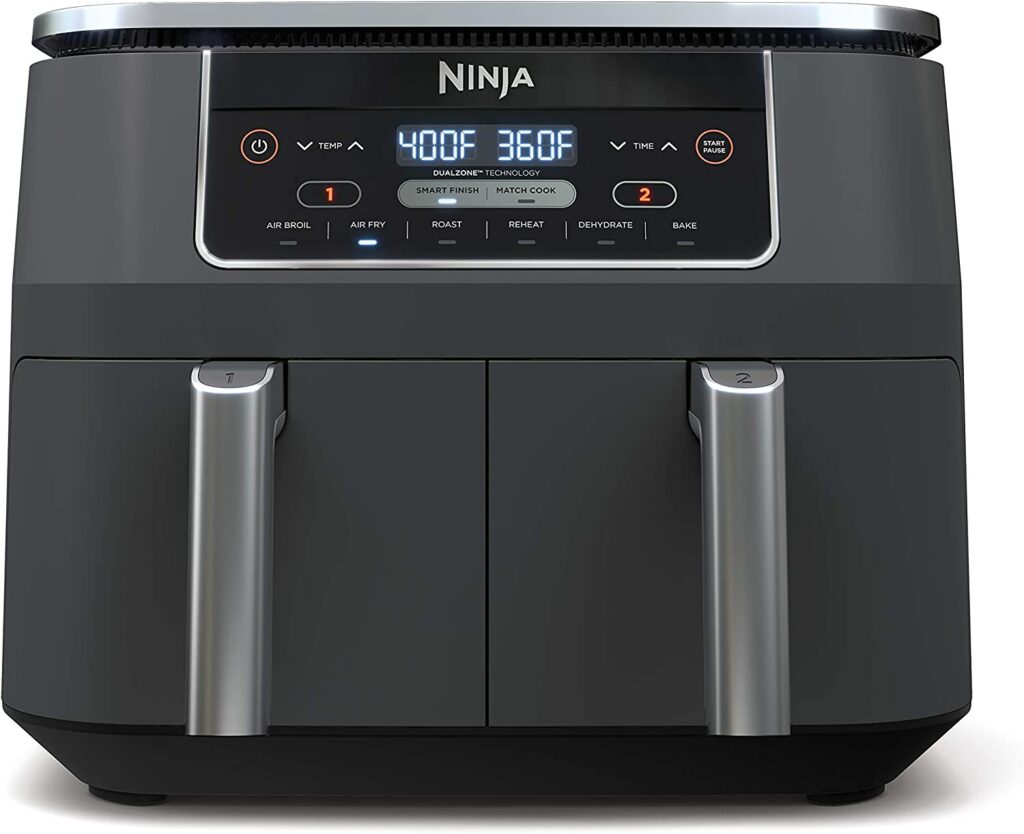
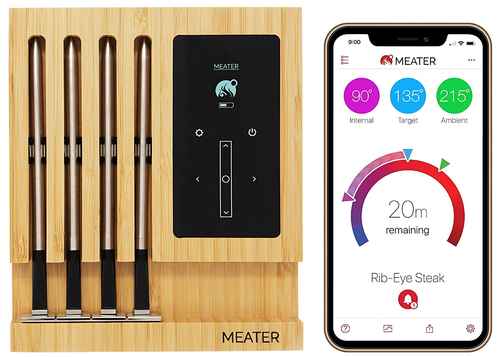
Baking a cake in an air fryer might sound unconventional, but it has quickly become one of the most efficient and reliable methods for producing moist, evenly cooked cakes with minimal equipment and reduced cooking time. Air fryers circulate hot air at high speed, creating an environment similar to a convection oven, but with a more concentrated heat source. This means cakes rise well, develop a beautiful golden top, and maintain a soft crumb inside.
Whether you are working with a boxed cake mix or crafting a cake from scratch, understanding how temperature, timing, and air circulation work together will make all the difference. This guide goes far beyond simple instructions: it explains the science, offers troubleshooting strategies, and equips you with expert-level insight into air fryer baking.
Optimal Air Fryer Temperature To Make Cake In Air Fryer
While each air fryer model varies slightly, the generally optimal temperature for baking cake in an air fryer is 320°F (160°C).
This temperature is warm enough to activate leavening agents such as baking powder and baking soda, allowing the cake to rise gradually rather than shock-rising too fast and collapsing. It is also low enough to prevent the top from browning prematurely or drying out while the center remains uncooked.
Why this temperature works:
- Air fryers use high-velocity hot air, therefore temperatures need slight reduction compared to traditional ovens.
- At 320°F, the Maillard reaction (responsible for browning) proceeds at a controlled pace.
- The cake bakes evenly from all sides, reducing the risk of raw spots.
Some dense cakes (such as banana or carrot) may benefit from 300°F (150°C) to avoid over-browning while the interior cooks through.
How Long To Make Cake In Air Fryer
For most standard cake batters baked in a 6-inch or 7-inch cake pan, the ideal cooking time ranges from 22 to 30 minutes at 320°F.
Time variations depend on:
- Thickness of the batter in the pan
- Air fryer wattage
- Cake pan material (metal heats quickest, silicone is slower)
- Density of ingredients (fruit cakes or heavy batters cook slower)
Approximate times:
- 6-inch pan: 22-25 minutes
- 7-inch pan: 25-30 minutes
- Cupcake-style mini cakes: 12-15 minutes
Always check the cake early the first time you try a recipe in your air fryer, as individual machine calibration can differ.
How To Tell If It Is Done
A cake should be removed from the air fryer the moment it fully sets, to avoid drying out from residual heat. Here are the most reliable indicators:
-
The Toothpick Test
Insert a toothpick or thin skewer into the center. If it comes out clean or with only a few moist crumbs, the cake is done.
-
The Top Springs Back
Gently press the surface. A fully baked cake will bounce back rather than leaving an indentation.
-
Aromatic Clues
When cakes are finished baking, the aroma intensifies and you can smell a warm, sweet fragrance around the air fryer.
-
Edges Pull Away Slightly
The sides of the cake begin shrinking from the pan edges, signaling complete structure formation.
Avoid overcooking; an air fryer continues to cook the cake for 2-3 minutes after turning off due to trapped heat.
Ingredients Needed
While ingredients vary by recipe, a classic air fryer cake typically requires:
- All-purpose flour – Provides structure
- Granulated sugar – Sweetens and assists browning
- Eggs – Bind ingredients and create lift
- Butter or oil – Provides moisture and richness
- Milk or water – Hydrates dry ingredients
- Baking powder – Primary leavening agent
- Vanilla extract – Adds aroma and depth
- Salt – Enhances flavors
Optional add-ins:
- Cocoa powder for chocolate cakes
- Fresh fruit or zest for citrus cakes
- Chocolate chips
- Nuts (coat in flour to prevent sinking)
How To Make Cake In Air Fryer
-
Prepare The Cake Batter
Mix dry and wet ingredients separately, then combine until smooth. Avoid overmixing, which can toughen the cake.
-
Prepare The Cake Pan
Grease the pan thoroughly and line the base with parchment. Air fryer cake pans are usually 6 to 7 inches wide.
-
Pour Batter And Level
Fill the pan halfway to two-thirds full to allow proper rising.
-
Preheat The Air Fryer (Optional)
Preheating for 2-3 minutes at 320°F provides consistent heat from the start.
-
Bake At 320°F
Place the cake pan in the basket. Ensure good air circulation around it.
-
Check At The 20-Minute Mark
If the top is browning too quickly, loosely cover with foil and continue baking.
-
Cool Properly
Allow the cake to rest in the pan for 10 minutes before removing. This prevents crumbling or breaking.
What If I Use A Different Air Fryer Temperature?
Different temperatures can dramatically change the cake’s structure:
-
Too High (350°F / 180°C Or Higher)
The cake may rise rapidly, doming sharply before collapsing. The exterior browns too quickly while the center stays gooey.
-
Too Low (280°F / 140°C)
The cake will rise slowly and may become dense or rubbery due to prolonged exposure to heat.
-
Moderately High (330°F-340°F)
May work for lighter batters but increases risk of uneven browning.
Unless you have a highly specific reason, 320°F remains the most stable choice.
What If I Use A Different Air Fryer Cooking Time?
Altered cooking time affects texture and doneness:
-
Underbaking (less Cooking Time)
Cakes collapse after cooling, appear wet, and feel heavy.
-
Overbaking (excess Cooking Time)
Cake becomes dry, crumbly, and may even take on a slightly burnt or bitter top.
If adjusting time:
- Add 2-3 minutes at a time while testing with a toothpick.
- If removing time, begin checking for doneness earlier.
When Things Go Wrong
Even experienced bakers encounter air fryer challenges. Here’s what causes common problems:
-
Cake Collapsed
Temperature too high or door opened early while rising.
-
Dry Cake
Overbaked or batter had insufficient fat or liquid.
-
Burned Top, Raw Middle
Pan too close to heating element or temperature too high.
-
Cake Sticks To Pan
Pan not properly greased or cooled before removal.
-
Uneven Rise
Batter overmixed, or air fryer’s airflow was blocked.
Expert Tips
- Use a light-colored metal pan for the most even browning. Dark pans absorb too much heat.
- Avoid overfilling the pan; air circulation is crucial.
- If the top browns early, cover with foil without sealing the edges.
- Weigh ingredients for more consistent results.
- Bring ingredients to room temperature before mixing for a smoother batter.
- Rotate the pan halfway through if your air fryer has uneven airflow.
- For delicate cakes, reduce temperature to 300°F to ensure a slower, controlled rise.
FAQs
Can I Bake Any Type Of Cake In An Air Fryer?
Most simple cakes like sponge, chocolate, vanilla, or pound cakes can be baked in an air fryer. However, very large or multi-layer cakes may not cook evenly due to the limited size of most air fryer baskets. It’s best to stick to small to medium-sized cake recipes or adapt larger recipes to fit your air fryer capacity.
What Type Of Pan Should I Use In An Air Fryer For Baking Cake?
Use heatproof, air fryer-compatible pans such as silicone, metal, or ceramic that fit comfortably inside your air fryer basket. Avoid glass pans unless your air fryer manual explicitly allows them, as rapid temperature changes could cause cracking.
Do I Need To Preheat The Air Fryer Before Baking A Cake?
Preheating the air fryer is recommended to ensure even cooking. Set the air fryer to the desired baking temperature for 3-5 minutes before placing the cake inside. This step helps the cake rise uniformly and prevents the outer edges from cooking faster than the center.
What Temperature And Time Should I Use To Bake A Cake In An Air Fryer?
Most cakes bake well at 320-350°F (160-180°C) in an air fryer. Baking time will depend on the size and thickness of the cake, generally ranging from 15 to 30 minutes. Check for doneness by inserting a toothpick in the center; it should come out clean when the cake is fully baked.
How Do I Prevent The Cake From Sticking To The Pan In An Air Fryer?
Grease the pan lightly with butter, oil, or non-stick spray, and optionally line it with parchment paper. This ensures easy removal of the cake and reduces the risk of it sticking or breaking apart when taken out of the air fryer.
Can I Use The Same Cake Batter I Would Use For A Conventional Oven?
Yes, most standard cake recipes can be used in an air fryer, but you may need to slightly reduce the baking temperature and check the cake earlier, as air fryers cook faster due to the rapid circulation of hot air. Adjusting the batter quantity to fit the pan size is also important.
How Do I Avoid A Dry Cake When Baking In An Air Fryer?
To prevent dryness, avoid overbaking, check the cake a few minutes before the recommended time, and consider adding a little extra moisture to the batter, such as milk, yogurt, or oil. Covering the cake loosely with foil halfway through baking can also help retain moisture.