
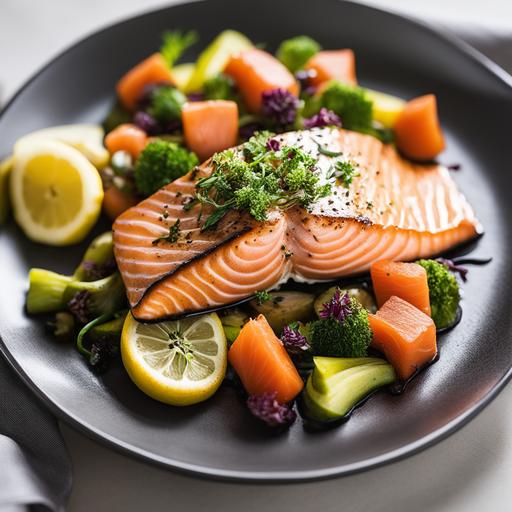
How To Cook Coho Salmon In Air Fryer [FULL GUIDE]
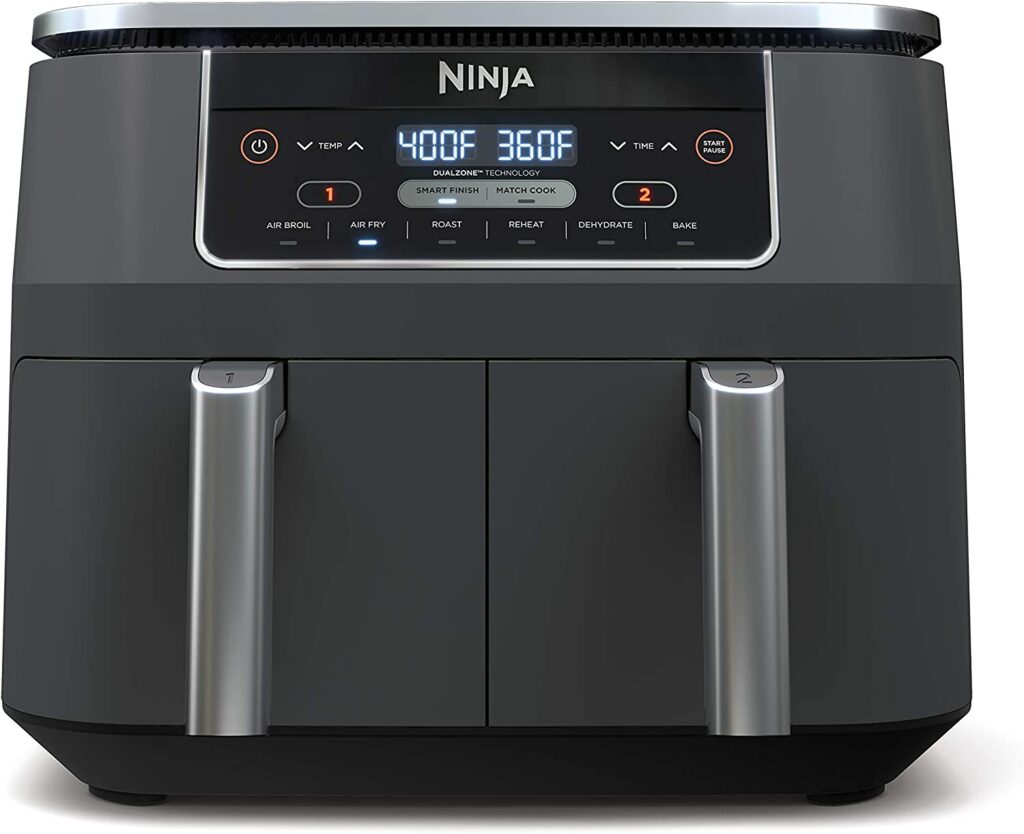
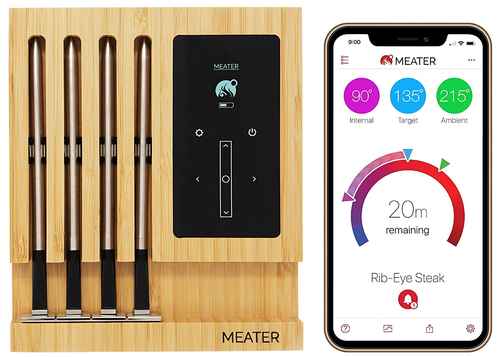
Recommended Equipments:
Coho salmon, often referred to as silver salmon due to its bright, shimmering skin, is prized for its delicate texture, mild flavor, and high nutritional value. Rich in omega-3 fatty acids, protein, and essential vitamins, Coho salmon is both a healthful and luxurious choice for any meal. While traditional cooking methods like grilling or baking have long been favored, air frying has emerged as a game-changer for salmon enthusiasts. The air fryer’s rapid hot-air circulation promises a perfectly cooked salmon with a slightly crispy exterior and moist, tender interior, all while reducing the need for excess oil. Mastering the technique requires an understanding of temperature, timing, and careful observation-skills that will elevate your culinary prowess and make air-fried Coho salmon a household favorite.
Optimal Air Fryer Temperature To Cook Coho Salmon In Air Fryer
The temperature you choose in the air fryer significantly impacts the texture, flavor, and juiciness of Coho salmon. The ideal range for cooking salmon is 375°F to 400°F (190°C to 204°C). This range allows the salmon to cook evenly without drying out, producing a golden, slightly crisp surface while keeping the inside tender and flaky. Cooking at lower temperatures (around 350°F / 177°C) will yield a more gentle, evenly cooked fish but may reduce browning. Higher temperatures (up to 425°F / 218°C) can achieve a crispier exterior faster, but they carry the risk of overcooking the interior if timing is not adjusted carefully. Precision is key-air fryer models can vary in heat distribution, so knowing your machine and using a thermometer for verification is essential.
How Long To Cook Coho Salmon In Air Fryer
Timing is as critical as temperature. For standard Coho salmon fillets (6-8 ounces, about 1 inch thick), the recommended cooking duration at 375°F is 10-12 minutes. If your fillet is slightly thicker, adding 1-2 minutes ensures thorough cooking. Thinner fillets may only need 8-10 minutes. The cooking time should be adjusted according to the air fryer’s size and power; smaller, less powerful units may require an extra minute or two, whereas high-end units may cook slightly faster. The goal is a salmon fillet that flakes easily with a fork but retains its moisture, never becoming dry or rubbery.
How To Tell If It Is Done
Determining doneness in salmon is about texture, color, and internal temperature:
- Internal Temperature: The USDA recommends a safe internal temperature of 145°F (63°C). Using an instant-read thermometer inserted into the thickest part of the fillet ensures precision.
- Visual Cues: The flesh should be opaque, shifting from translucent pink to a uniform lighter pink or orange. The skin may crisp slightly, depending on preparation.
- Texture: A fork should effortlessly separate the layers of flesh. Overcooked salmon will appear dry, firm, and resistant to flaking, while undercooked salmon will remain translucent and gelatinous.
Ingredients Needed
Cooking Coho salmon in an air fryer requires minimal but high-quality ingredients to enhance natural flavor:
- 2 Coho salmon fillets (6-8 ounces each, skin-on or skinless)
- 1-2 tablespoons olive oil or melted butter
- Salt, to taste
- Freshly ground black pepper, to taste
- Optional: Lemon slices, garlic powder, paprika, fresh herbs (dill, parsley, or thyme)
These ingredients help create a subtle, savory flavor profile while allowing the natural richness of the salmon to shine.
How To Cook Coho Salmon In Air Fryer
- Preheat the Air Fryer: Set to 375°F (190°C) and allow the unit to preheat for 3-5 minutes.
- Prepare the Salmon: Pat fillets dry with a paper towel. Brush both sides with olive oil or melted butter. Season with salt, pepper, and any optional herbs or spices.
- Place in Air Fryer Basket: Position the fillets skin-side down (if skin-on) and avoid overcrowding to ensure proper air circulation.
- Cook: Set the timer for 10-12 minutes. Halfway through, you can optionally brush the tops with more oil or butter for enhanced browning.
- Check Doneness: Use a fork or thermometer to test the thickest part of the fillet. If the internal temperature has reached 145°F, remove immediately.
- Rest: Allow the salmon to rest for 2-3 minutes before serving to lock in juices. Serve with lemon wedges or a fresh herb garnish.
What If I Use A Different Air Fryer Temperature?
Altering the air fryer temperature affects texture and cooking time:
- Lower Temperatures (325-350°F / 163-177°C): Slower cooking results in even doneness but less browning and crispiness. Expect 12-16 minutes of cook time.
-
Higher Temperatures (400-425°F / 204-218°C): Produces a crispier exterior and shorter cook time (8-10 minutes). Overcooking becomes a risk, especially for thinner fillets.
Adapting temperature requires close monitoring to avoid dryness.
What If I Use A Different Air Fryer Cooking Time?
Adjusting cooking time primarily affects moisture content:
- Shorter Time: May leave the center undercooked, translucent, and jelly-like. Use a thermometer to avoid risk.
- Longer Time: Can dry out the salmon, making it tough and less flavorful. If unsure, reduce time slightly and check doneness mid-cook.
When Things Go Wrong
Even experienced cooks encounter issues:
- Dry or Overcooked Salmon: Likely due to high heat or excessive cooking time. Remedy by reducing temperature, brushing with extra fat, or slightly undercooking next time.
- Undercooked or Raw Center: Typically from too low temperature or thick fillets. Extend cook time in 2-minute increments until done.
- Uneven Cooking: Caused by overcrowding or inconsistent air circulation. Always leave space between fillets and avoid stacking.
Expert Tips
- Pat Dry Fillets: Moisture on the surface prevents crisping.
- Seasoning Early: Allow salt and herbs to penetrate the flesh for enhanced flavor.
- Use a Thermometer: Precision ensures perfectly cooked salmon every time.
- Skin-On Advantage: Skin helps retain moisture and can crisp nicely in the air fryer.
- Resting Matters: Even 2-3 minutes improves juiciness and flavor.
FAQs
Do I Need To Remove The Skin Before Air-frying Coho Salmon?
No. The skin can remain on during cooking and actually helps protect the fish from overcooking. After air-frying, the skin will crisp up and can be eaten or removed easily, depending on preference.
What Temperature Should I Set The Air Fryer To For Coho Salmon?
A temperature between 380°F and 400°F works well. At 390°F, most coho fillets cook through while maintaining a moist interior and lightly crisped exterior.
How Long Should Coho Salmon Cook In The Air Fryer?
Most 1- to 1.5-inch thick coho salmon fillets take 8 to 10 minutes. Thicker fillets may require up to 12 minutes. Begin checking for doneness at the 8-minute mark.
Should I Preheat The Air Fryer Before Cooking Salmon?
Yes. Preheating ensures even cooking and helps create a slightly crisp surface on the salmon. Preheat the air fryer for 3 to 5 minutes at the cooking temperature.
Do I Need To Use Oil When Cooking Coho Salmon In The Air Fryer?
A light coating of oil or a quick spray on the fillet and the air fryer basket prevents sticking and promotes browning. The fish itself contains natural oils, so only a small amount is needed.
How Can I Tell When The Coho Salmon Is Done?
The salmon is done when it flakes easily with a fork and reaches an internal temperature of 125°F to 130°F for medium doneness. If you prefer a firmer texture, cook to 135°F.
Can I Cook Frozen Coho Salmon In The Air Fryer?
Yes. Frozen fillets can be cooked without thawing by adding 3 to 5 extra minutes to the cooking time. For more even seasoning and texture, thawing beforehand is still recommended.