
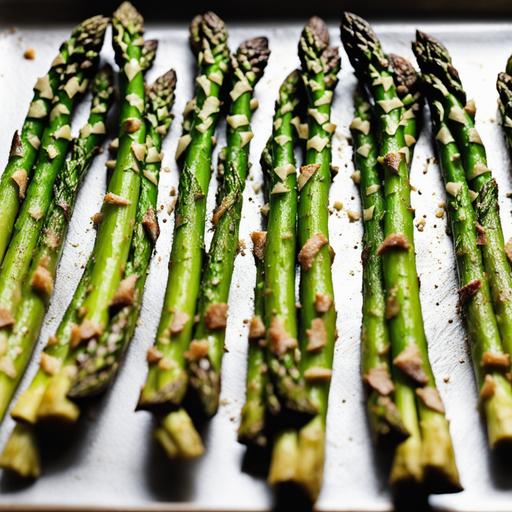
How To Cook Asparagus In Air Fryer Without Oil [FULL GUIDE]
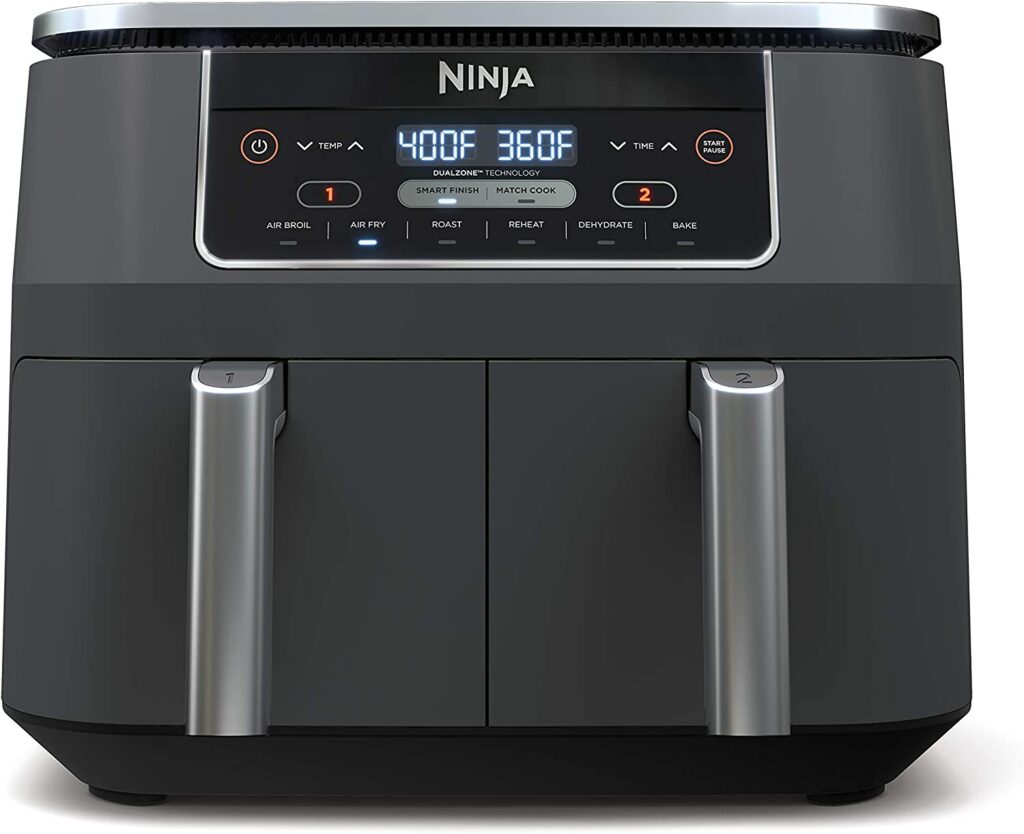
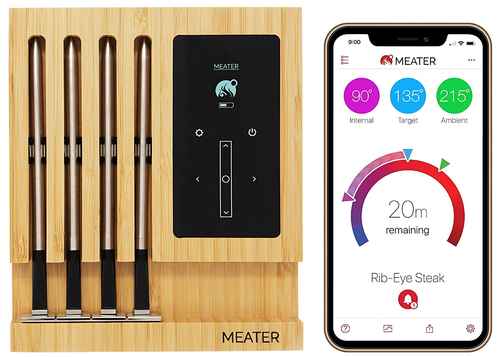
Recommended Equipments:
Asparagus, with its tender stalks and delicate, slightly earthy flavor, is a vegetable that balances nutritional value with culinary elegance. High in vitamins A, C, E, and K, and loaded with fiber and antioxidants, asparagus is a powerhouse vegetable that deserves a spotlight in any kitchen. Traditionally, roasting or sautéing asparagus involves oil, butter, or other fats to achieve a crisp, flavorful exterior. However, with the advent of air fryers, it is possible to enjoy perfectly cooked asparagus with minimal or no added fat, preserving its natural flavors and nutrients while achieving a satisfying texture. Air frying asparagus without oil allows the vegetable to retain its subtle sweetness and natural crunch, making it ideal for those seeking a healthier preparation method without compromising on taste.
Optimal Air Fryer Temperature To Cook Asparagus In Air Fryer Without Oil
Cooking asparagus in an air fryer without oil requires precise temperature control. Too low a temperature, and the asparagus may end up limp and flavorless; too high, and it can become scorched or dry. The optimal temperature for oil-free air frying is 375°F (190°C). At this temperature, the asparagus cooks evenly, allowing the natural moisture to steam the vegetable slightly while the hot circulating air produces a lightly crisp exterior. Maintaining a consistent temperature ensures that the stalks cook through without burning the tips, which are particularly delicate and prone to overcooking.
How Long To Cook Asparagus In Air Fryer Without Oil
Cooking time depends largely on the thickness of your asparagus stalks. Thin, tender stalks require 6-8 minutes, while thicker, more fibrous stalks may need 10-12 minutes. It is important to shake or gently toss the asparagus halfway through cooking to ensure uniform exposure to the circulating hot air. The goal is a texture that is tender but slightly firm to the bite, often described as “al dente”. Overcooking can lead to mushy asparagus with a dull color and diminished flavor, while undercooking results in an overly crisp, fibrous texture that is difficult to chew.
How To Tell If It Is Done
Visual and tactile cues are the most reliable indicators of doneness. Properly cooked asparagus will have:
- A vibrant green color that signals the chlorophyll is preserved.
- Tips that are tender but not falling apart, slightly curling at the edges.
-
Stalks that yield to gentle pressure from a fork without being mushy.
A good test is to pierce the thickest part of the stalk with a fork: it should slide in with slight resistance, indicating a tender yet firm texture. Aroma is another subtle cue; cooked asparagus emits a fresh, slightly nutty scent without any burnt or charred notes.
Ingredients Needed
Cooking asparagus without oil in an air fryer requires only a handful of ingredients:
- 1 bunch of fresh asparagus
- Salt, to taste
- Optional: black pepper, garlic powder, lemon zest, or nutritional yeast for added flavor
By relying on natural seasonings instead of oil, the essence of asparagus shines through while keeping the dish light and healthy.
How To Cook Asparagus In Air Fryer Without Oil
- Prepare the asparagus: Rinse thoroughly under cold water and pat dry. Trim the tough woody ends by snapping or cutting off about 1-2 inches from the bottom.
- Season lightly: Sprinkle with salt and any optional seasonings. Toss gently to coat evenly.
- Preheat the air fryer: Set it to 375°F (190°C) for 3-5 minutes. Preheating ensures consistent cooking from the first moment the asparagus enters.
- Arrange asparagus in the basket: Place the stalks in a single layer to allow air circulation; overlapping can result in uneven cooking.
- Cook and shake: Air fry for 6-12 minutes, depending on thickness, shaking or flipping the asparagus halfway through.
- Check for doneness: Pierce a stalk with a fork. If tender but firm, the asparagus is ready. Serve immediately for best flavor and texture.
What If I Use A Different Air Fryer Temperature?
- Lower temperatures (325-350°F / 160-175°C): Cooking will be gentler but slower, which may cause the asparagus to steam rather than crisp. This is fine for very tender stalks but may result in less vibrant texture.
- Higher temperatures (400-425°F / 200-220°C): Stalks cook faster, producing a more pronounced crispiness, especially at the tips. However, there’s a higher risk of burning delicate parts, especially without oil to buffer the heat. Adjust timing accordingly.
What If I Use A Different Air Fryer Cooking Time?
- Shorter cooking times: Asparagus may remain undercooked and fibrous, especially in thicker stalks.
- Longer cooking times: Stalks can become dry, brittle, and lose their vibrant color. In extreme cases, tips may burn and develop a bitter taste. Always monitor closely if deviating from recommended times.
When Things Go Wrong
- Limp asparagus: Likely due to overcrowding, too low a temperature, or insufficient shaking. Remedy by air frying in batches and slightly increasing temperature.
- Burnt tips: Temperature was too high or cooking time too long. Lower the temperature or remove tips earlier.
- Uneven cooking: Caused by stacking or uneven thickness of stalks. Slice thicker stalks in half lengthwise to ensure uniformity.
Expert Tips
- Trim and dry thoroughly: Moisture on the surface can hinder crisping.
- Preheat for consistent results: Preheating ensures immediate cooking efficiency.
- Season strategically: Salt draws out moisture, so apply lightly and balance with optional herbs or spices.
- Shake halfway through: Promotes even cooking and prevents burning on one side.
- Batch cooking: Avoid overcrowding; air fryers work best with a single layer of asparagus for uniform texture.
FAQs
Can I Cook Asparagus In An Air Fryer Without Using Any Oil?
Yes, you can cook asparagus in an air fryer without oil. The natural moisture in asparagus is usually sufficient to cook it evenly, especially when you use medium heat and monitor the cooking time closely. For added flavor, you can use seasonings like garlic powder, lemon zest, or herbs.
What Temperature Should I Use To Cook Asparagus In An Air Fryer Without Oil?
For oil-free cooking, set the air fryer temperature between 360°F to 400°F (182°C to 204°C). Cooking at 375°F for 7-10 minutes generally produces tender yet slightly crispy asparagus, but the exact timing depends on the thickness of the stalks.
Do I Need To Preheat The Air Fryer Before Cooking Asparagus Without Oil?
Preheating is recommended but not strictly necessary. Preheating for 2-3 minutes ensures even cooking and can help achieve a slight crisp on the tips. Without preheating, you may need to extend the cooking time by 1-2 minutes.
How Should I Prepare The Asparagus Before Air Frying Without Oil?
Wash and trim the woody ends of the asparagus. Pat them dry to remove excess moisture. You can season them with salt, pepper, or other dry spices. Avoid using wet marinades, as they can steam rather than crisp the asparagus.
How Do I Prevent Asparagus From Sticking To The Air Fryer Basket Without Oil?
Use a perforated parchment paper liner or lightly spray the basket with a non-stick cooking spray. Shaking the basket halfway through cooking also helps prevent sticking and ensures even exposure to hot air.
How Long Does It Take To Cook Asparagus In An Air Fryer Without Oil?
Thin asparagus spears usually take 6-8 minutes, while thicker spears can take 8-12 minutes at 375°F. Shake the basket or flip the asparagus halfway through for even cooking.
Will Asparagus Become Dry If Cooked In An Air Fryer Without Oil?
If cooked correctly, asparagus will remain tender and slightly crisp. Avoid overcooking, as this can dry out the spears. Cooking at the recommended temperature and time while monitoring thickness helps retain moisture.