
How To Roast Sweet Peppers In Air Fryer [FULL GUIDE]
Recommended Equipments:
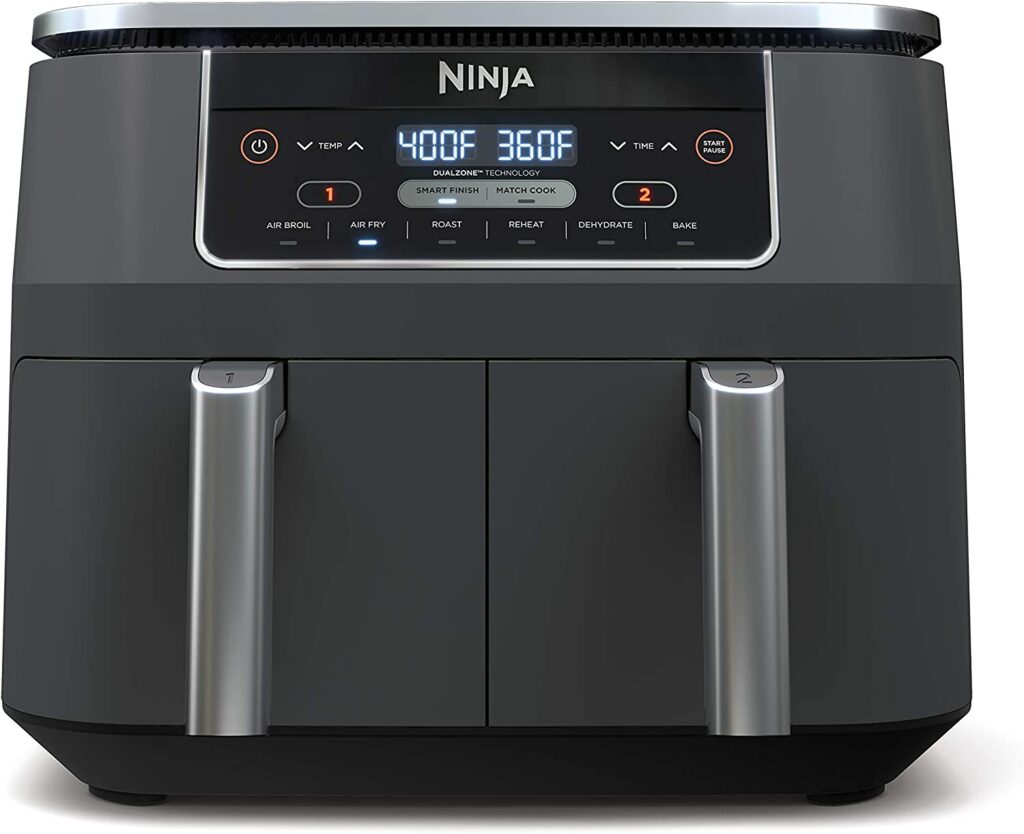
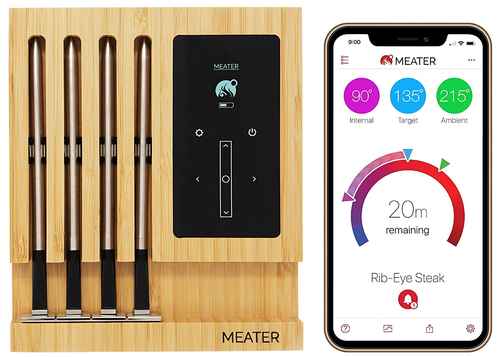
Roasting sweet peppers in an air fryer is one of the most efficient ways to draw out their natural sweetness, soften their flesh, and create a delicately blistered exterior similar to what you would achieve in a traditional oven or over an open flame. The circulating hot air of the air fryer caramelizes the peppers’ sugars quickly, producing tender, slightly smoky, and wonderfully aromatic results with minimal effort. Whether you plan to use the roasted peppers in salads, sandwiches, pastas, or as a standalone side, mastering this simple technique guarantees consistently delicious results. This guide provides a comprehensive breakdown of optimal temperatures, timing, troubleshooting, and expert tips to help you roast sweet peppers perfectly every time.
Optimal Air Fryer Temperature To Roast Sweet Peppers In Air Fryer
The ideal temperature for roasting sweet peppers in an air fryer is 400°F (205°C). At this temperature, the dry circulating heat encourages the peppers’ skins to blister and slightly char, mimicking the effect of broiling or high-heat roasting. This temperature is hot enough to soften the interior while retaining enough structure so the peppers do not collapse into mush. It also promotes deep caramelization, which enhances the peppers’ natural sweetness and infuses a subtle smoky aroma.
Some air fryers run hotter or circulate air more aggressively than others, but 400°F is the most reliable universal temperature for achieving the classic roasted pepper texture: tender interior, blistered exterior, and concentrated flavor.
How Long To Roast Sweet Peppers In Air Fryer
At 400°F, the average cook time for roasting sweet peppers in an air fryer is between 10 and 15 minutes.
- Whole mini peppers: 10 to 12 minutes
- Large bell peppers cut into halves or quarters: 12 to 15 minutes
- Sliced peppers: 8 to 10 minutes
The peppers should be shaken or turned halfway through the cooking cycle to ensure even blistering on all sides. Thickness, size, and water content will affect the final time, but the 10-15-minute window is consistently reliable.
How To Tell If It Is Done
Perfectly roasted sweet peppers display several visual and textural cues:
-
Blistered, Slightly Blackened Skin
You should see patches of char or darkening. The skin will wrinkle and loosen from the flesh.
-
Soft, Collapsible Flesh
When pressed lightly with tongs, the pepper should feel tender and pliable.
-
Intense Aroma
The scent becomes deeper, sweeter, and more concentrated as the sugars caramelize.
-
Juices Begin To Release
You may see small pools of natural pepper juices gathering at the bottom of the air fryer basket.
If all these signs are present, the peppers are fully roasted.
Ingredients Needed
The beauty of roasted sweet peppers is their simplicity. You need only a handful of ingredients:
- Fresh sweet peppers (bell peppers or mini sweet peppers)
- Olive oil or a similar high-quality cooking oil
- Salt, to enhance flavor
-
Optional seasonings:
- Cracked black pepper
- Garlic powder
- Smoked paprika
- Italian herbs
- Balsamic vinegar (added after roasting)
Although you can season the peppers before roasting, many cooks prefer to season afterward to avoid burning delicate spices.
How To Roast Sweet Peppers In Air Fryer
-
Prepare The Peppers
Rinse thoroughly and dry the peppers well. Moisture will inhibit blistering.
-
Cut Or Leave Whole
- For mini peppers: leave whole.
- For bell peppers: cut into halves or quarters, remove seeds and membranes.
-
Lightly Oil The Peppers
Drizzle with a small amount of olive oil and toss to coat. This helps with blistering and prevents drying.
-
Season
Add salt and any optional seasonings unless you prefer to season after roasting.
-
Place In The Air Fryer Basket
Spread the peppers out in a single layer. Avoid stacking; overcrowding prevents even cooking.
-
Air Fry At 400°F (205°C)
Cook for 10-15 minutes depending on size and thickness.
-
Turn Halfway
Shake the basket or flip the peppers around the halfway point to ensure even blistering.
-
Cool And Peel (optional)
Once roasted, the skin may easily peel off. Some recipes prefer peeled peppers, while others enjoy the smoky flavor of the charred skin.
What If I Use A Different Air Fryer Temperature?
Changing the temperature impacts how the peppers roast:
-
Below 375°F (190°C)
Peppers will soften but not blister. The flavor will be milder, and the skins may remain intact rather than peeling easily.
-
375°F-390°F (190°C-200°C)
You will get moderate blistering but slower caramelization. Cooking time increases by several minutes.
-
Above 400°F (205°C)
Expect faster blistering and deeper char. However, the edges may burn before the interior softens if the peppers are large. This temperature works best for thinly sliced peppers.
Adjust timing accordingly whenever changing the temperature.
What If I Use A Different Air Fryer Cooking Time?
Varying the time affects both texture and flavor:
-
Too Short (under 8 Minutes)
Peppers will be crisp, only lightly softened, and lacking the characteristic roasted texture.
-
Optimal Time (10-15 Minutes)
Balanced tenderness, caramelization, and blistering.
-
Too Long (over 18 Minutes)
The peppers may collapse completely, release too much moisture, or burn around the edges. The interior can become overly mushy.
Small adjustments within a few minutes are fine, but significant deviations can dramatically change the outcome.
When Things Go Wrong
Even simple recipes can present challenges. Here are common issues and fixes:
-
Peppers Not Blistering
Air fryer temperature may be too low or the peppers may be too wet. Pat dry thoroughly before oiling.
-
Peppers Drying Out
Excessive time or too high a temperature. Reduce cook time or temperature.
-
Uneven Roasting
Overcrowding the basket prevents airflow. Cook in smaller batches.
-
Burnt Skins But Hard Interior
The air fryer is running too hot, or large peppers were not cut. Halve or quarter larger peppers, or reduce temperature.
-
Watery Peppers After Cooking
Some varieties have higher water content. Let them rest for 2-3 minutes; the juices will reabsorb slightly.
Expert Tips
- Do not skip the oil. A very light coating promotes better blistering and prevents the flesh from dehydrating.
- Use uniform sizes. Roasting peppers of similar size ensures even cooking.
- Shake midway. Air fryers roast more consistently when the food is moved partway through.
- Peel for smoother texture. If making dips, sauces, or spreads, always peel the peppers after roasting.
- Season after cooking when using spices prone to burning. Herbs or powdered spices can darken too quickly in high heat.
- Let them rest for flavor development. A brief resting period helps the peppers settle and enhances sweetness.
FAQs
What Is The Best Way To Prepare Sweet Peppers For Air Frying?
Start by washing the peppers thoroughly and patting them dry. Remove the stems, seeds, and membranes, then cut them into uniform strips or halves to ensure even cooking. Lightly coat them with olive oil and season with salt, pepper, or any preferred spices for enhanced flavor.
At What Temperature Should I Roast Sweet Peppers In An Air Fryer?
For optimal roasting, preheat the air fryer to 375°F (190°C). This temperature allows the peppers to cook evenly while developing a slightly charred, caramelized exterior without burning.
How Long Does It Take To Roast Sweet Peppers In An Air Fryer?
Roasting typically takes 10 to 15 minutes, depending on the size and thickness of the pepper slices. Shake or stir the peppers halfway through the cooking time to ensure even roasting and prevent sticking.
Do I Need To Preheat The Air Fryer Before Roasting Peppers?
Yes, preheating the air fryer for 3-5 minutes is recommended. This helps achieve a consistent cooking temperature, which improves browning and texture, giving the peppers a roasted flavor similar to oven roasting.
Can I Roast Frozen Sweet Peppers In An Air Fryer?
Yes, frozen sweet peppers can be roasted, but it’s best to thaw and pat them dry first. This reduces excess moisture, which can prevent proper caramelization. Cook at the same temperature, but add 2-3 extra minutes to the cooking time.
How Do I Know When Sweet Peppers Are Done In The Air Fryer?
Sweet peppers are done when they are tender, slightly wrinkled, and have lightly browned edges. You can test tenderness with a fork; they should be soft but not mushy.
Can I Season Sweet Peppers After Air Frying, Or Should It Be Done Before?
Seasoning before air frying allows the flavors to infuse as the peppers cook, enhancing taste and caramelization. However, finishing with a sprinkle of fresh herbs, a dash of vinegar, or additional salt after roasting can elevate the flavor even further.