
How To Cook Frozen Breakfast Sandwich In Air Fryer [FULL GUIDE]
Recommended Equipments:
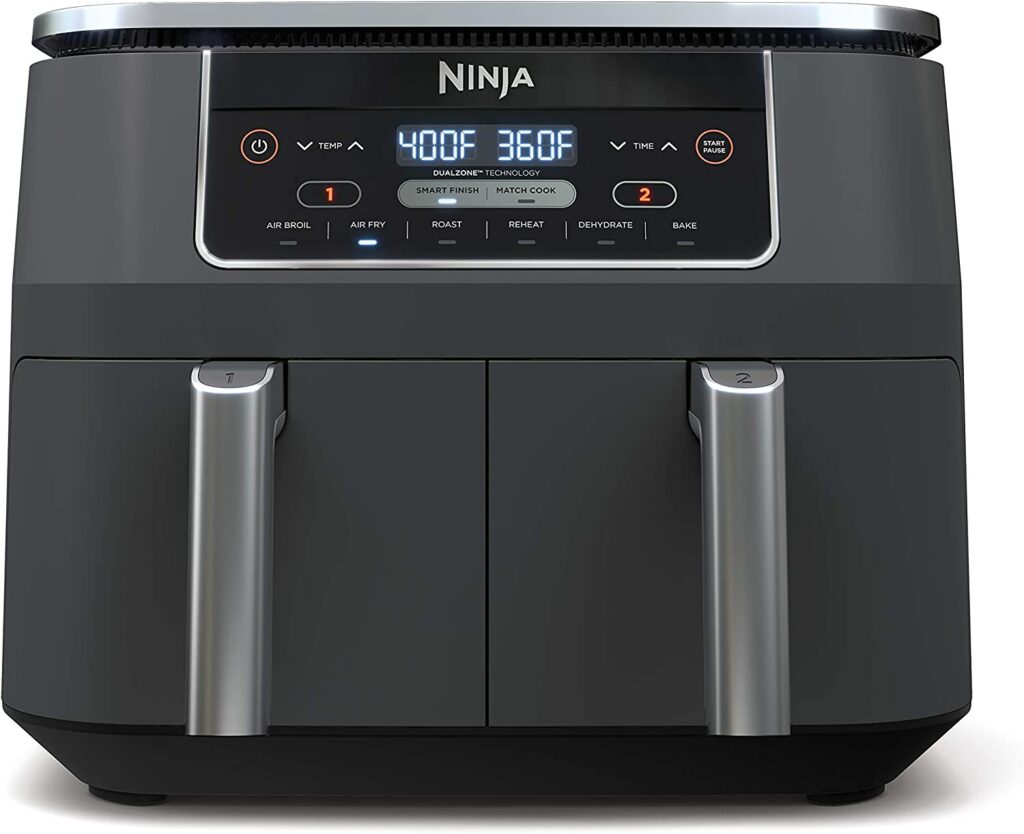
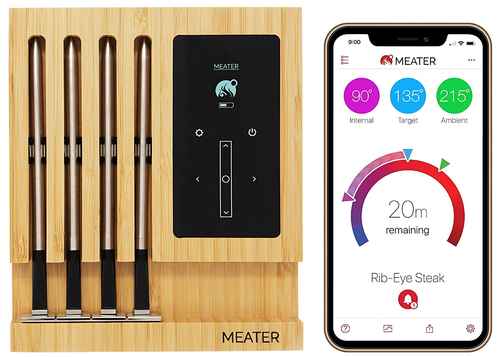
Frozen breakfast sandwiches are a lifesaver for busy mornings, offering a convenient, hearty meal without the fuss of cooking from scratch. Crisp, golden bread, perfectly cooked eggs, melted cheese, and savory meats can all be enjoyed in minutes with the right cooking technique. Air fryers, with their rapid circulation of hot air, have become the go-to appliance for reheating or cooking frozen foods to perfection. Unlike microwaving, which can leave bread soggy or eggs rubbery, air fryers deliver a crisp exterior while heating the interior evenly. Understanding the nuances of temperature, timing, and technique ensures your breakfast sandwich comes out deliciously every time.
Optimal Air Fryer Temperature To Cook Frozen Breakfast Sandwich In Air Fryer
Temperature control is key when cooking frozen breakfast sandwiches. Most air fryers perform best in the range of 350°F to 400°F (175°C to 205°C) for frozen breakfast items. Cooking at 360°F (182°C) is generally considered optimal. This temperature ensures the sandwich heats evenly without burning the bread or overcooking the egg. If the temperature is too low, the sandwich may remain cold in the center, while a temperature too high can leave the bread overly crisp or charred before the interior is fully heated.
How Long To Cook Frozen Breakfast Sandwich In Air Fryer
Cooking time depends on the thickness of the sandwich and whether it is wrapped in foil or paper packaging. Generally:
- Thin sandwiches: 6-8 minutes
- Thick sandwiches with multiple layers (bacon, sausage, or extra cheese): 8-12 minutes
It is recommended to flip the sandwich halfway through cooking to ensure even browning and heat distribution. Starting at the midpoint with a shorter time and checking for doneness prevents overcooking.
How To Tell If It Is Done
Determining doneness is not just visual. Signs that your frozen breakfast sandwich is perfectly cooked include:
- The bread is golden brown and crispy, not burnt.
- Cheese is fully melted and gooey.
- The egg is hot and firm, not rubbery or undercooked.
- A quick touch test in the center will show warmth all the way through. For extra precision, an internal temperature of 165°F (74°C) ensures it is safely heated.
Ingredients Needed
To cook a frozen breakfast sandwich, you need minimal ingredients:
- Frozen breakfast sandwich (store-bought or homemade)
- Optional: non-stick cooking spray or a tiny brush of oil (for extra crispiness)
- Optional toppings if desired: extra cheese, hot sauce, or avocado slices (added after cooking)
How To Cook Frozen Breakfast Sandwich In Air Fryer
- Preheat the air fryer to 360°F (182°C) for 3-5 minutes.
- Remove any packaging and lightly spray or brush the air fryer basket with oil.
- Place the sandwich in the air fryer basket, leaving space around it for air circulation.
- Cook for 6-12 minutes, depending on thickness, flipping halfway through.
- Check for doneness-bread should be golden and egg fully heated.
- Let it rest for 1-2 minutes before eating to allow heat to distribute evenly.
What If I Use A Different Air Fryer Temperature?
Using a temperature higher than 360°F can speed up cooking but increases the risk of burning the bread or drying out the egg. Lower temperatures may result in uneven heating, requiring additional time and occasionally leading to soggy bread. Adjust cooking times accordingly: higher temperatures need shorter times, lower temperatures need longer times, but the key is always to check the sandwich halfway through.
What If I Use A Different Air Fryer Cooking Time?
Cooking for too short a time may leave the sandwich cold in the center, while excessive cooking can dry out the egg or make the bread overly hard. Always monitor the sandwich visually and with touch, and err on the side of shorter initial cooking, then extend time as needed.
When Things Go Wrong
Even with careful monitoring, issues can occur:
- Burnt bread, cold interior: Likely the temperature was too high. Lower it and extend the cooking time.
- Cheese not melted: Flip the sandwich or cover loosely with foil to trap heat.
- Soggy bread: Remove any paper wrapping, cook slightly longer, or spray lightly with oil for crispness.
- Uneven heating: Ensure the sandwich is centered and flip halfway through.
Expert Tips
- Preheat the air fryer for consistent cooking.
- Flip the sandwich midway for even browning.
- Use a thermometer if unsure-internal temperature of 165°F (74°C) is safe.
- Avoid overcrowding the basket to allow proper air circulation.
- Enhance crispiness by lightly brushing bread with oil or butter.
- Customize after cooking with fresh toppings like avocado, hot sauce, or extra cheese.
FAQs
What Is The Recommended Temperature To Cook A Frozen Breakfast Sandwich In An Air Fryer?
Most frozen breakfast sandwiches cook well at 350°F (175°C) in an air fryer. This temperature allows the sandwich to heat through evenly without burning the bread or overcooking the fillings.
How Long Should I Cook A Frozen Breakfast Sandwich In An Air Fryer?
The cooking time usually ranges between 8 to 12 minutes. It is best to check the sandwich halfway through, flip it if necessary, and continue cooking until the internal temperature reaches 165°F (74°C).
Do I Need To Thaw The Breakfast Sandwich Before Cooking It In An Air Fryer?
No, you can cook a frozen breakfast sandwich directly from the freezer. Air fryers are designed to circulate hot air efficiently, so the sandwich will heat evenly without pre-thawing.
Should I Wrap The Sandwich In Foil Or Parchment Paper When Using An Air Fryer?
It is generally not recommended to wrap sandwiches in foil or paper in an air fryer, as it can block airflow and affect cooking. Instead, place the sandwich directly on the air fryer basket or tray for best results.
Can I Add Extra Toppings Or Cheese Before Air Frying My Sandwich?
Yes, you can add cheese or other toppings before cooking. However, if the toppings are delicate or melt quickly, it’s better to add them during the last 1-2 minutes of cooking to prevent burning or excessive dripping.
How Do I Know When My Frozen Breakfast Sandwich Is Fully Cooked?
Check that the sandwich is golden brown on the outside and hot throughout. Using a food thermometer, the internal temperature should reach at least 165°F (74°C) to ensure all ingredients are safely heated.
Can I Cook Multiple Frozen Breakfast Sandwiches In The Air Fryer At The Same Time?
Yes, you can cook multiple sandwiches, but avoid overcrowding the basket. Ensure there is space between sandwiches so hot air can circulate evenly. You may need to increase cooking time by 1-3 minutes depending on the number of sandwiches.