
How To Cook Frozen Crab Legs In Air Fryer [FULL GUIDE]
Recommended Equipments:
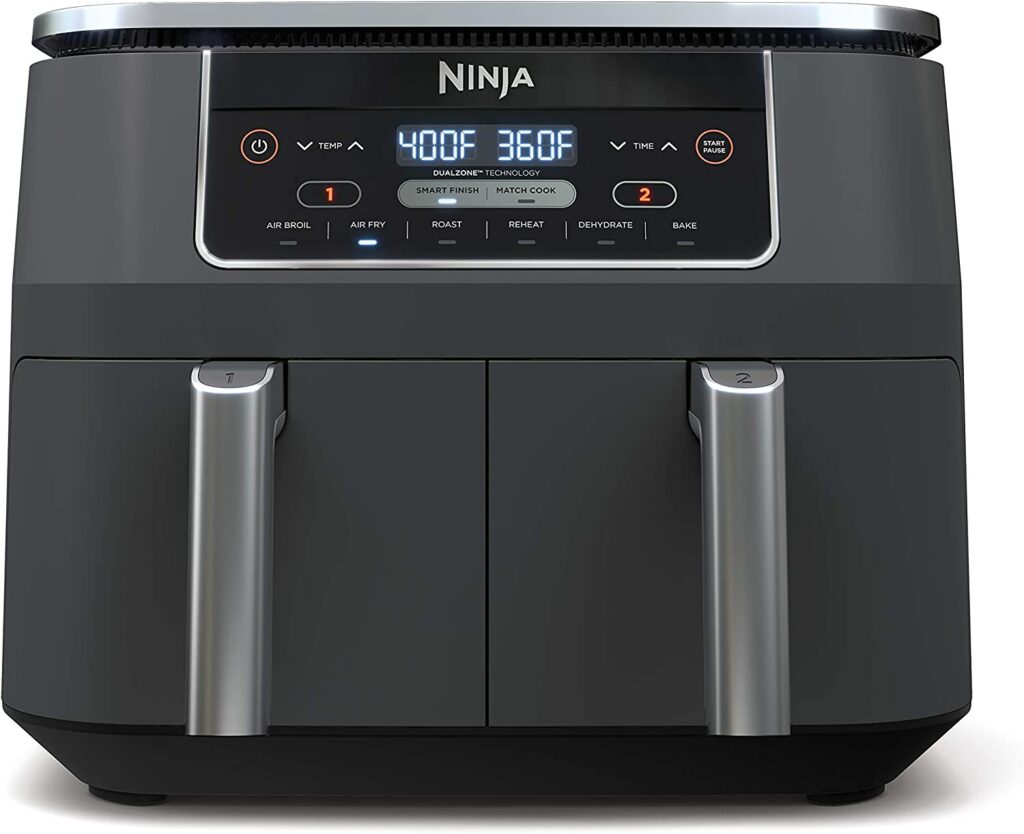
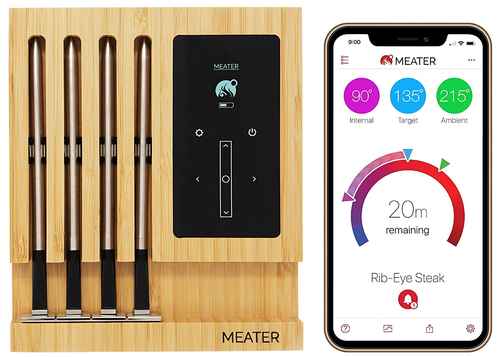
Crab legs are often considered a delicacy, celebrated for their sweet, succulent meat and the luxurious touch they add to any meal. Traditionally, they are boiled or steamed, but these methods can be time-consuming and occasionally yield uneven results. Enter the air fryer-a revolutionary kitchen tool that promises a quicker, fuss-free alternative without sacrificing flavor or texture. Cooking frozen crab legs in an air fryer is not only convenient but also enhances the natural taste by lightly crisping the exterior while keeping the meat tender and juicy. This guide explores the optimal techniques, temperature, timing, and tips for achieving perfectly cooked crab legs straight from the freezer.
Optimal Air Fryer Temperature To Cook Frozen Crab Legs In Air Fryer
The key to cooking frozen crab legs successfully in an air fryer lies in controlling the temperature. Unlike conventional ovens or stovetop methods, air fryers cook by circulating hot air around the food. For frozen crab legs, the optimal temperature is 375°F (190°C). This temperature is hot enough to warm the crab meat evenly and create a slightly toasted exterior, yet gentle enough to prevent the delicate meat from drying out. Temperatures lower than 350°F may result in uneven heating and prolong cooking time unnecessarily, while temperatures above 400°F risk overcooking the outer shell and turning the meat rubbery.
How Long To Cook Frozen Crab Legs In Air Fryer
Cooking time depends largely on the size and thickness of the crab legs. For standard king or snow crab legs, the recommended cooking time is 5-7 minutes when air frying at 375°F. If the legs are exceptionally large or thick, it may require 8-10 minutes. It is important to flip the crab legs halfway through cooking to ensure even heat distribution. Remember, the goal is to heat the crab legs thoroughly rather than cook them from raw, as frozen crab legs are typically pre-cooked.
How To Tell If It Is Done
Unlike raw meats, crab legs do not require a precise internal temperature to be safe-they are already cooked. The best indicators of doneness are visual and tactile cues:
- The shell should be warm to the touch and slightly firm.
- The meat should be opaque and steaming.
- Pulling apart the shell should reveal juicy, tender meat that is not stringy or dried out.
A quick tip: insert a fork or knife between the joints; if it slides in easily and the meat feels warm, your crab legs are ready to serve.
Ingredients Needed
To prepare air-fried crab legs, the ingredients are minimal, as the crab itself provides most of the flavor:
- Frozen crab legs (king, snow, or Dungeness)
- Olive oil or melted butter (optional, for brushing)
- Garlic powder, paprika, or Old Bay seasoning (optional, for added flavor)
- Lemon wedges (for serving)
Air frying allows the crab to shine without excessive seasoning, though light enhancements like butter or spices can elevate the dish.
How To Cook Frozen Crab Legs In Air Fryer
- Preheat the Air Fryer: Set it to 375°F (190°C) for about 3 minutes.
- Prepare the Crab Legs: Lightly brush with olive oil or melted butter and sprinkle with seasoning if desired.
- Arrange the Crab Legs: Place them in a single layer in the air fryer basket. Avoid overcrowding to ensure even air circulation.
- Cook: Air fry for 5-7 minutes, flipping halfway through. For extra-large legs, extend to 8-10 minutes.
- Check Doneness: Ensure the crab is heated through and meat is tender.
- Serve: Squeeze fresh lemon over the crab legs and serve with additional melted butter on the side.
What If I Use A Different Air Fryer Temperature?
Altering the temperature affects cooking results:
- Lower Temperatures (325-350°F): Slower cooking; the crab legs may not heat evenly, requiring additional time.
- Higher Temperatures (400-425°F): Faster cooking; may brown the shell too quickly and risk drying the delicate meat inside.
If adjusting the temperature, always monitor closely and adjust cooking time accordingly to avoid overcooking.
What If I Use A Different Air Fryer Cooking Time?
Time adjustments also impact quality:
- Shorter Time: Crab legs may remain cold inside; partially cooked crab is unappetizing.
- Longer Time: Meat may become rubbery and tough, losing its naturally tender texture.
The key is to balance heat and time-long enough to warm through but short enough to maintain tenderness.
When Things Go Wrong
Even with careful attention, mistakes can happen:
- Dry Meat: Usually from overcooking or too high heat. Solution: Lower the temperature and reduce cooking time next attempt. Serve with melted butter to reintroduce moisture.
- Uneven Heating: Often caused by overcrowding the air fryer basket. Cook in batches for even results.
- Shell Too Hard to Crack: Let the crab rest for a minute; the residual heat can loosen the joints slightly.
Expert Tips
- Cut the Legs if Needed: Large king crab legs may need to be halved to fit the basket.
- Brush with Butter Twice: Apply a light coating before cooking and another after for maximum flavor.
- Use Foil or Parchment: Prevents smaller legs from slipping through the basket holes.
- Serve Immediately: Crab legs are best enjoyed hot, straight from the air fryer.
- Experiment with Spices: Old Bay, smoked paprika, or garlic powder enhance the natural sweetness.
FAQs
Can You Cook Frozen Crab Legs Directly In An Air Fryer?
Yes, you can cook frozen crab legs directly in an air fryer without thawing. It is recommended to rinse them briefly under cold water to remove any ice crystals, then pat them dry before cooking.
What Temperature Should I Set My Air Fryer To For Cooking Crab Legs?
The ideal temperature for cooking frozen crab legs in an air fryer is 375°F (190°C). This temperature ensures even heating and prevents the crab meat from becoming dry or rubbery.
How Long Does It Take To Cook Frozen Crab Legs In An Air Fryer?
Cooking frozen crab legs in an air fryer generally takes 5 to 8 minutes, depending on the size and thickness of the legs. Large king crab legs may require closer to 10 minutes. It is recommended to check halfway through and flip them for even cooking.
Do I Need To Season Frozen Crab Legs Before Air Frying?
Seasoning is optional, as crab legs are often pre-cooked and naturally flavorful. However, brushing them with melted butter, garlic, lemon juice, or your preferred seasonings before air frying can enhance the taste.
Should I Cover The Crab Legs When Cooking In An Air Fryer?
No, covering the crab legs is not necessary. Air fryers work by circulating hot air around the food, so leaving the crab legs uncovered ensures they heat evenly and develop a slight crisp on the edges.
How Do I Know When The Crab Legs Are Fully Cooked?
Frozen crab legs are typically pre-cooked, so you are mainly reheating them. They are done when they are heated through and the shells feel hot to the touch. The meat should be opaque and firm but not dry.
Can I Cook Multiple Crab Legs At Once In The Air Fryer?
Yes, you can cook multiple crab legs at once, but avoid overcrowding the basket. Arrange them in a single layer for even air circulation. If necessary, cook in batches to ensure consistent heating.