
How To Make Roasters In Air Fryer [FULL GUIDE]
Recommended Equipments:
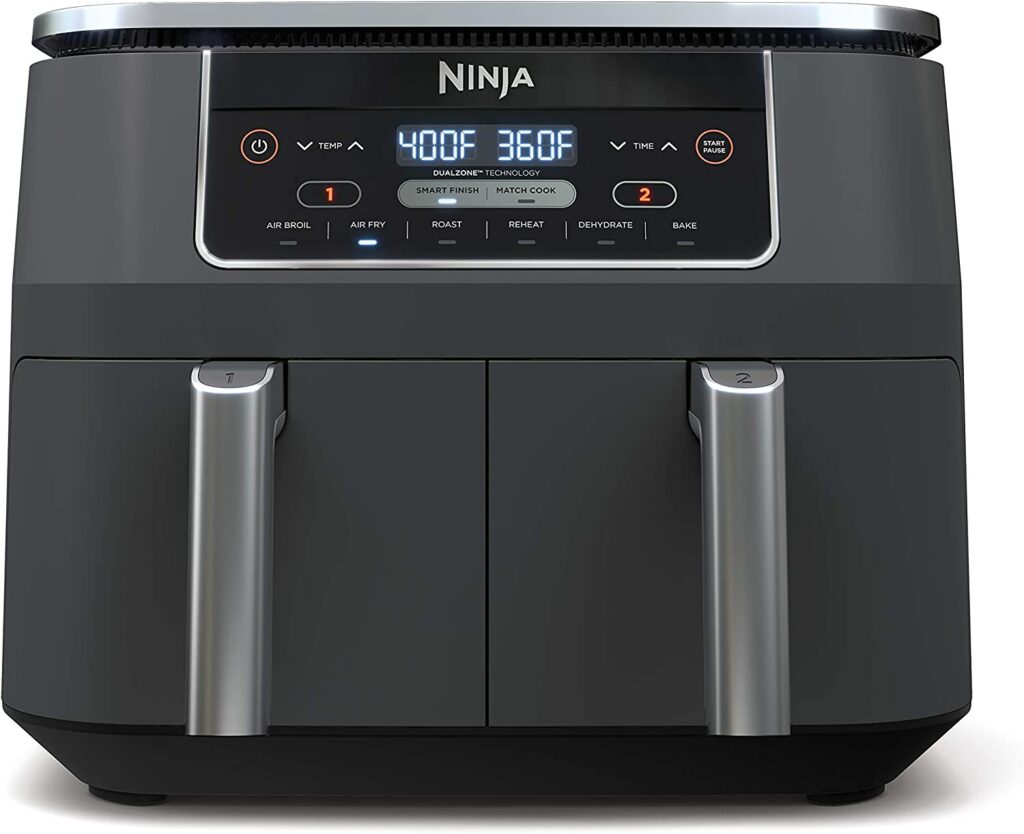
Roasted meats have long been a culinary staple, evoking the rich aromas of a home-cooked meal and the satisfying taste of perfectly cooked, golden-brown exterior with tender, juicy insides. Among these, roasters-whether whole chickens, seasoned turkey pieces, or even pork roasts-offer a delicious centerpiece for any gathering or weeknight dinner. Traditional roasting in an oven requires time, patience, and careful monitoring, but the air fryer has revolutionized this process, allowing cooks to achieve similar results in a fraction of the time.
An air fryer uses rapid hot air circulation to cook food evenly while producing a crispy outer layer without submerging the meat in oil. For roasters, this means you can get that coveted browned skin, juicy meat, and concentrated flavors without the long wait or added fats. Understanding the correct temperature, timing, and preparation methods is key to mastering air-fried roasters.
Optimal Air Fryer Temperature To Make Roasters In Air Fryer
Temperature is the cornerstone of any successful roast. For roasters in an air fryer, the ideal temperature range is 360°F to 380°F (182°C-193°C). This range ensures that the exterior develops a crisp, caramelized crust while the interior cooks evenly without drying out.
- Lower temperatures (around 350°F / 175°C): Provide more gentle cooking, which is ideal for larger roasters or cuts that need extended cooking time. The meat remains juicy but may take longer to achieve that golden, crispy skin.
- Higher temperatures (around 400°F / 204°C): Speed up cooking and enhance browning. However, this comes with the risk of burning the skin before the inside reaches the safe internal temperature, especially with larger roasters.
The key is balancing heat and time: moderate temperature ensures thorough cooking while retaining moisture, and finishing with a brief high-heat blast can create a perfectly browned exterior.
How Long To Make Roasters In Air Fryer
Cooking time varies depending on the size of the roaster and the type of meat, but air fryers generally reduce cooking times by 20-30% compared to traditional ovens.
- Whole chicken (3-4 lbs / 1.3-1.8 kg): 25-30 minutes per pound at 375°F (190°C).
- Chicken pieces (thighs, drumsticks, wings): 20-25 minutes at 375°F (190°C), flipping halfway through.
- Pork roasts (2-3 lbs / 0.9-1.4 kg): 30-35 minutes per pound at 360°F (182°C).
Always preheat the air fryer for 3-5 minutes before placing the roaster inside. Preheating ensures immediate heat circulation, which promotes even cooking and crisping of the skin.
How To Tell If It Is Done
Determining doneness is critical for both safety and flavor: undercooked roasters risk foodborne illness, while overcooking results in dry, tough meat.
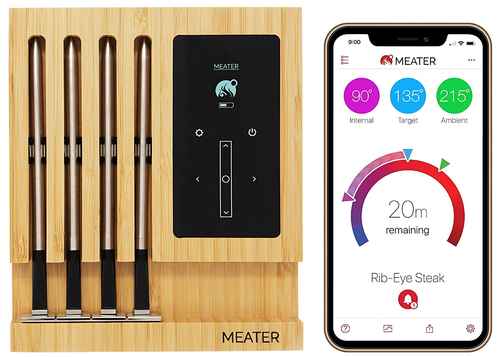
- Internal Temperature: Use a digital meat thermometer inserted into the thickest part of the meat, avoiding bones. Poultry should reach 165°F (74°C), and pork roasts should reach 145°F (63°C), followed by a rest period.
- Juices: Clear juices running from the meat indicate it is done. Pink or red juices mean it requires additional cooking.
- Texture: The meat should feel firm but springy. Overly soft or rubbery meat indicates undercooking, while excessively stiff meat indicates overcooking.
Ingredients Needed
Creating a perfect air fryer roaster doesn’t require a long list of ingredients, but quality and balance make all the difference:
- Main Roaster: Whole chicken, turkey pieces, or pork roast.
- Seasonings: Salt, black pepper, paprika, garlic powder, onion powder, and dried herbs (thyme, rosemary, oregano).
- Optional Marinade or Brine: Olive oil, lemon juice, soy sauce, or buttermilk.
- Vegetables (optional): Carrots, potatoes, onions, or bell peppers for roasting alongside the meat.
Simple, balanced seasoning allows the natural flavors of the meat to shine, while marinades enhance juiciness and depth of flavor.
How To Make Roasters In Air Fryer
- Prepare the Meat: Pat dry with paper towels to remove excess moisture. This ensures crisp skin.
- Season Thoroughly: Rub oil or butter over the meat, then coat with your preferred spice mix. For deeper flavor, marinate for 1-2 hours or overnight.
- Preheat the Air Fryer: 3-5 minutes at 360-375°F (182-190°C).
- Arrange the Roaster: Place the meat in the basket with space around it for hot air circulation. Avoid overcrowding.
- Cook: Set the air fryer at the recommended temperature and time, flipping halfway for even browning if needed.
- Check Doneness: Use a meat thermometer, checking the thickest part. Ensure juices run clear.
- Rest: Remove meat from the air fryer and let it rest 5-10 minutes before slicing to allow juices to redistribute.
What If I Use A Different Air Fryer Temperature?
Adjusting the temperature affects both cooking time and outcome:
- Lower Temperature: Meat cooks slower, reducing the risk of burning but may yield less crispy skin. Extend cooking time by 10-15% for every 10°F decrease.
- Higher Temperature: Meat cooks faster, browning more quickly, but increases the risk of dry interior or uneven cooking. Shorten cooking time and monitor closely, especially for larger roasters.
The principle is to always balance heat intensity with meat size and thickness.
What If I Use A Different Air Fryer Cooking Time?
Changing cooking time without adjusting temperature can result in undercooked or overcooked roasters:
- Shorter Time: May leave the interior raw, requiring additional cooking. Always check internal temperature.
- Longer Time: Leads to dry, tough meat and overly browned or burnt exterior. Consider reducing temperature if extending cook time.
Monitoring the meat and using a thermometer prevents errors when experimenting with timing.
When Things Go Wrong
Even experienced cooks encounter setbacks:
- Dry Meat: Usually due to high temperature or overcooking. Remedy by reducing time or basting during cooking.
- Uneven Cooking: Often caused by overcrowding or uneven air circulation. Ensure space between pieces and shake or flip halfway.
- Undercooked Interior: Meat is too thick or temperature too low. Cut into thick areas and return to the air fryer if necessary, covering with foil to prevent over-browning.
Preparation, monitoring, and understanding your specific air fryer’s performance are essential for consistent results.
Expert Tips
- Preheat is crucial: Skipping this step reduces crisping efficiency.
- Dry the skin: Moisture is the enemy of crispiness; pat thoroughly with paper towels.
- Rotate meat: Even circulation is key; flip or rotate halfway through cooking.
- Use foil cautiously: Helps prevent burning, but avoid covering completely, which can trap steam and prevent crisping.
- Rest before slicing: Allows juices to redistribute, ensuring a juicy roaster.
- Experiment with herbs and aromatics: Garlic, rosemary, thyme, or citrus zest elevate flavor dramatically.
FAQs
What Types Of Roasters Can Be Cooked In An Air Fryer?
Air fryers are versatile and can cook various types of roasters, including whole chickens, small turkeys, duck, and even game birds. The key is to choose a roaster that fits comfortably in the air fryer basket without overcrowding, allowing hot air to circulate evenly for a crispy exterior and tender interior.
Do I Need To Preheat The Air Fryer Before Roasting?
Yes, preheating the air fryer is recommended for roasters. Preheating ensures the cooking process starts immediately at the desired temperature, promoting even browning and a crispy skin. Most air fryers require 3-5 minutes to reach temperatures between 350°F to 400°F for roasting.
How Should I Season Or Marinate Roasters For Air Frying?
Seasoning or marinating depends on personal preference. Common methods include rubbing the roaster with olive oil, salt, pepper, and spices like paprika, garlic powder, or rosemary. Marinades with acidic ingredients, such as lemon juice or vinegar, can enhance flavor and tenderness. For best results, marinate for at least 30 minutes to a few hours before cooking.
What Is The Ideal Cooking Temperature And Time For Roasters In An Air Fryer?
Cooking time and temperature depend on the size of the roaster. Generally, small to medium chickens cook at 360°F for 25-30 minutes per pound. Larger roasters may require 350°F and slightly longer cooking times. It is important to check the internal temperature using a meat thermometer; poultry should reach 165°F at the thickest part.
How Do I Ensure The Roaster Cooks Evenly In The Air Fryer?
To ensure even cooking, place the roaster in the air fryer basket with space around it for airflow. Halfway through cooking, consider turning or rotating the roaster. Some users lightly baste the roaster with juices or oil during the process to promote uniform browning and crispiness.
Can I Cook Frozen Roasters Directly In The Air Fryer?
Yes, frozen roasters can be cooked in an air fryer, but they require longer cooking times and slightly lower temperatures initially to allow for thawing. It’s recommended to preheat the air fryer, cook at around 325°F for the first portion to defrost, then increase to 360-380°F to achieve crispy skin. Always ensure the internal temperature reaches the safe minimum of 165°F.
What Tips Help Achieve A Crispy Skin On Roasters In An Air Fryer?
For crispy skin, pat the roaster dry with paper towels before seasoning. Lightly coat the skin with oil, and avoid overcrowding the basket. Cooking at slightly higher temperatures, such as 375-400°F for the last 10-15 minutes, can also enhance crispiness. Additionally, letting the roaster rest for a few minutes after cooking helps retain juices and maintains texture.