
How To Cook Premade Cookie Dough In Air Fryer [FULL GUIDE]
Recommended Equipments:
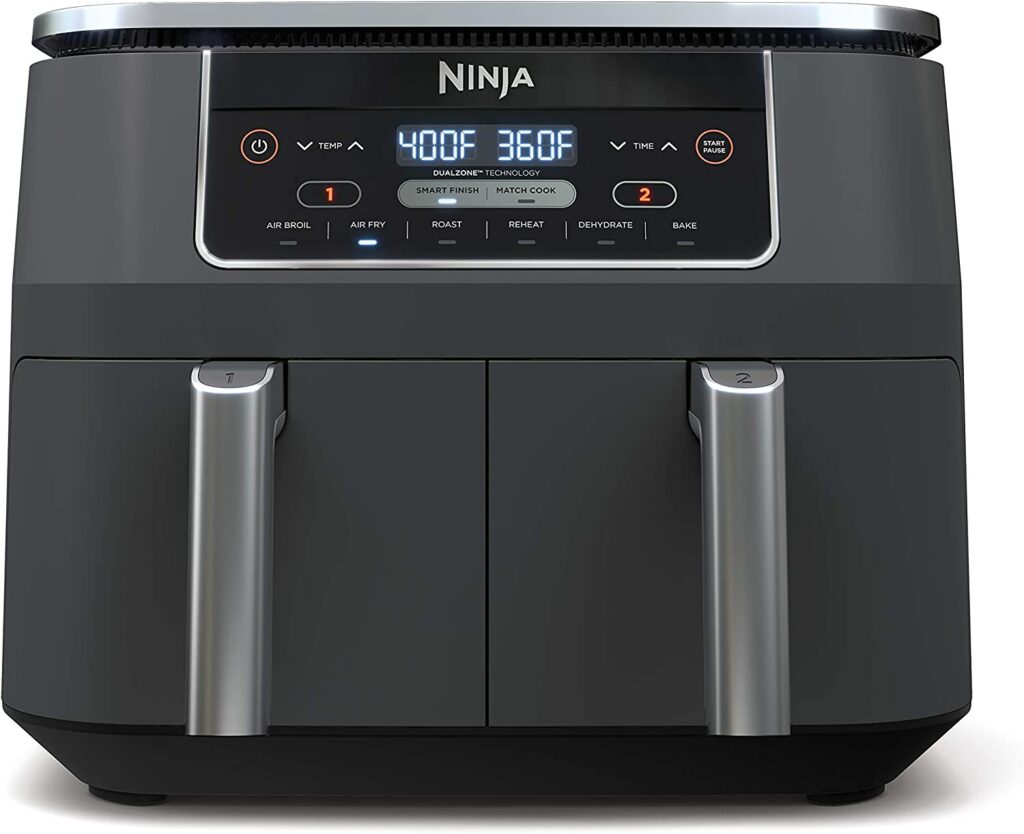
The air fryer has transformed modern kitchens, offering a way to achieve crispiness and golden perfection without the need for copious amounts of oil. While traditionally associated with savory foods like chicken wings and fries, the air fryer also excels in sweet applications, including baking cookies. Premade cookie dough, often purchased from grocery stores, presents an effortless pathway to freshly baked cookies in minutes. Unlike conventional ovens, an air fryer circulates hot air around the dough at high speed, creating evenly baked cookies with soft centers and slightly crisp edges. Cooking cookie dough in an air fryer requires careful attention to temperature, timing, and technique, but the results can be astonishingly close to-or even better than-traditional baking.
Optimal Air Fryer Temperature To Cook Premade Cookie Dough In Air Fryer
Temperature control is the foundation of perfectly baked cookies. For premade cookie dough, the optimal air fryer temperature is 320°F to 350°F (160°C to 175°C). Cooking at this moderate range ensures that the exterior achieves a golden-brown texture while allowing the interior to remain soft and gooey. Setting the temperature too high can result in burnt edges and undercooked centers, while temperatures that are too low may yield pale, flat, or overly soft cookies.
The size and type of cookie also play a role: smaller cookies or thinner dough may require the lower end of the spectrum, while larger, thicker cookie dough balls benefit from the higher range. Maintaining consistent temperature is crucial because air fryers can have hot spots that affect cooking uniformity.
How Long To Cook Premade Cookie Dough In Air Fryer
Cooking time is as critical as temperature. Typically, premade cookie dough requires 6 to 10 minutes in the air fryer. Smaller cookies often reach optimal doneness in 6-7 minutes, while larger or thicker cookies may need 8-10 minutes.
Because air fryers cook faster than conventional ovens, it’s essential to start checking the cookies a minute or two before the minimum suggested time. Factors influencing cooking time include the cookie size, dough composition, air fryer brand, and the number of cookies cooked at once. Overcrowding the basket will increase cooking time and can lead to uneven baking.
How To Tell If It Is Done
Visual cues and tactile tests are the best ways to determine if cookies are done:
- Color: The edges should be lightly golden brown, while the center remains slightly paler.
- Texture: The tops should appear set, not glossy or wet. A gentle press should feel soft but spring back slightly.
- Smell: A sweet, baked aroma indicates the sugar is caramelizing correctly.
- Bottom check: If possible, lift a cookie slightly to check if the bottom is firm and not doughy.
Remember, cookies continue to cook slightly after removal due to residual heat, so slight under-baking is preferable to over-baking.
Ingredients Needed
To cook premade cookie dough in an air fryer, you need:
- Premade cookie dough (any flavor or brand)
- Non-stick cooking spray or parchment paper (optional but recommended)
- Cookie scoop or spoon (for portioning dough)
- Optional toppings: chocolate chips, nuts, or sprinkles for extra customization
No additional ingredients are required, making this a simple and convenient baking option.
How To Cook Premade Cookie Dough In Air Fryer
- Preheat the air fryer: Set it to 320°F-350°F for 3-5 minutes.
- Prepare the basket: Lightly spray with non-stick spray or line with perforated parchment paper to prevent sticking.
- Portion the dough: Use a cookie scoop or spoon to place dough balls about 2 inches apart to allow expansion.
- Cook: Place the basket in the air fryer and cook for 6-10 minutes, checking halfway through for even browning.
- Cool: Remove cookies and allow them to cool for 3-5 minutes before eating. They firm up while cooling but retain a soft center.
What If I Use A Different Air Fryer Temperature?
- Higher temperature (360°F-375°F): Cookies may brown faster but risk being undercooked inside. They could also dry out.
- Lower temperature (300°F-315°F): Cookies cook more evenly but may require longer, which can affect texture. They may turn out softer and less golden.
Adjusting temperature is a balancing act between achieving a golden exterior and a soft, fully cooked interior.
What If I Use A Different Air Fryer Cooking Time?
- Shorter time: Cookies may appear undercooked, particularly in the center, with a doughy texture.
- Longer time: Cookies will become overly crispy or dry.
- Solution: Always check a minute or two before the suggested minimum time, especially if this is your first attempt with a specific air fryer model.
When Things Go Wrong
- Cookies sticking: Ensure the basket is non-stick or lined with parchment paper.
- Uneven cooking: Avoid overcrowding; cook in batches if necessary.
- Burnt edges and raw center: Reduce temperature slightly and check cookies early.
- Flattened cookies: Chill dough briefly before air frying, especially for soft premade dough.
Expert Tips
- Use parchment circles: Prevents sticking and promotes even heat distribution.
- Do not overcrowd: Leave at least 2 inches of space between cookies.
- Rotate basket if needed: For air fryers without consistent circulation, rotate halfway through cooking.
- Chill dough for thicker cookies: 10-15 minutes in the fridge prevents spreading.
- Experiment with flavors: Add extra chocolate chips, nuts, or sprinkles for customized treats.
FAQs
Can I Cook Premade Cookie Dough Directly In An Air Fryer?
Yes, you can cook premade cookie dough directly in an air fryer. Place the dough on parchment paper or a lightly greased air fryer basket, ensuring cookies are spaced at least 2 inches apart to allow proper air circulation and even cooking.
What Is The Ideal Temperature To Bake Cookies In An Air Fryer?
The ideal temperature for baking cookies in an air fryer is generally 320°F to 350°F (160°C to 175°C). This lower temperature compared to a conventional oven prevents the cookies from burning on the outside while remaining raw in the center.
How Long Should I Air Fry Premade Cookie Dough?
Cooking time typically ranges from 6 to 10 minutes, depending on the size and type of cookie. It is recommended to check cookies around the 6-minute mark to avoid over-browning. Thicker cookies may require an additional 1-2 minutes.
Do I Need To Preheat My Air Fryer Before Baking Cookies?
Yes, preheating the air fryer for 2-3 minutes ensures an even baking temperature from the start. This helps cookies rise properly and prevents uneven cooking or excessive spreading.
Should I Flatten The Cookie Dough Before Air Frying?
Flattening is optional and depends on the desired texture. Slightly flattening the dough helps cookies cook evenly and ensures a uniform thickness, while leaving them as balls can produce thicker, chewier centers.
How Can I Prevent Cookies From Sticking To The Air Fryer Basket?
Use parchment paper, a silicone liner, or lightly grease the basket with butter or cooking spray. Avoid overcrowding the basket to maintain airflow and prevent sticking or uneven baking.
Can I Cook Different Types Of Premade Cookie Dough Together In The Air Fryer?
It is best to cook similar types together, as different doughs may have varying cooking times and textures. If baking multiple types, check each batch individually to avoid overcooking or undercooking certain cookies.