
How To Cook Thin Sliced Ribeye Steak In Air Fryer [FULL GUIDE]
Recommended Equipments:
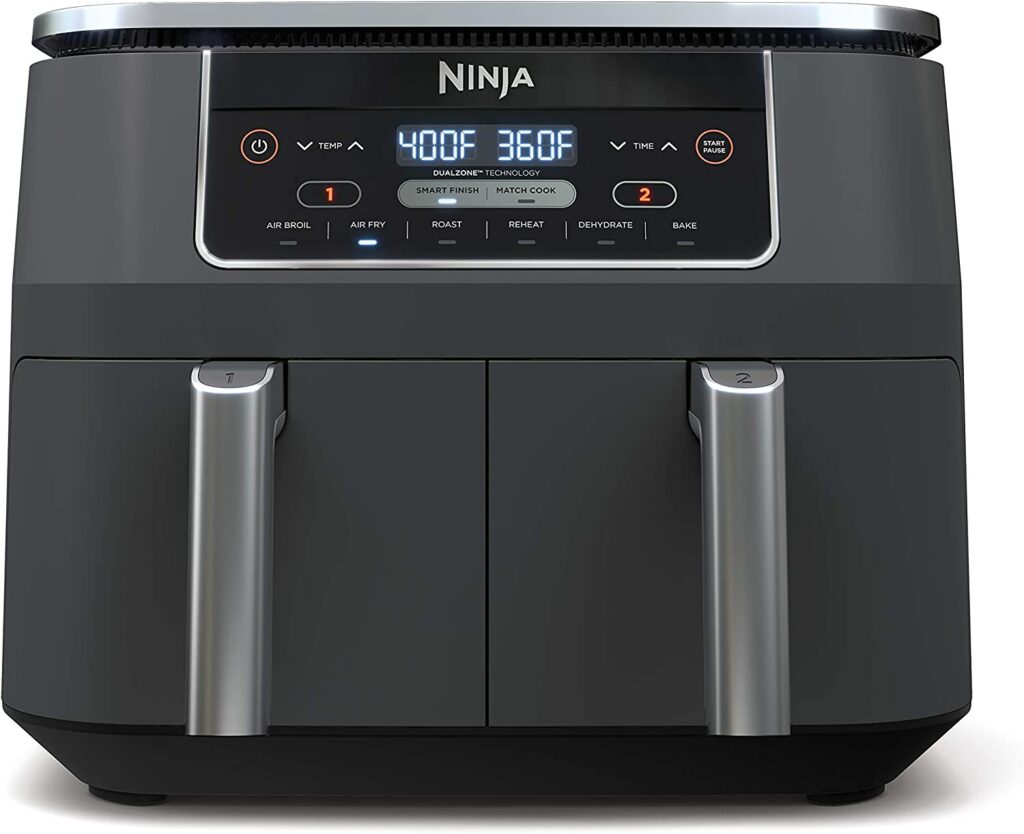
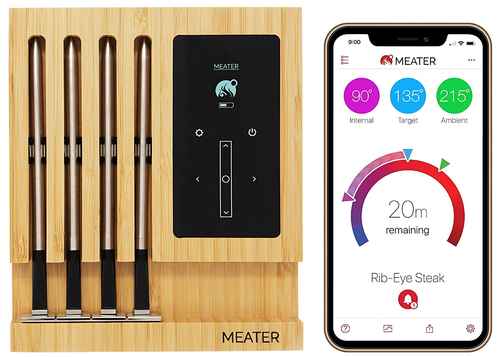
Cooking thin sliced ribeye steak in an air fryer is one of the most efficient ways to achieve a beautifully browned exterior while preserving the steak’s natural tenderness and juiciness. Thin ribeye cuts are exceptionally flavorful because they retain all the marbling of a traditional ribeye, yet their slim profile allows for remarkably quick cooking. This makes them ideal for weeknight dinners, last-minute meals, or anyone seeking steakhouse-quality results with minimal effort.
The key to mastering thin sliced ribeye in an air fryer lies in understanding temperature control, timing, and how to properly assess doneness. Because these slices cook significantly faster than thicker steaks, precision matters. The following guide breaks down everything you need to know, from optimal air fryer settings to practical troubleshooting, so you can consistently produce tender, aromatic, perfectly cooked thin ribeye steaks.
Optimal Air Fryer Temperature To Cook Thin Sliced Ribeye Steak In Air Fryer
The most reliable and effective temperature for cooking thin sliced ribeye in an air fryer is 400°F (204°C).
At this temperature:
- The high heat promotes the Maillard reaction, creating a crisp, caramelized crust.
- The thin slices cook quickly while still retaining moisture.
- You avoid the risk of steaming the meat, which happens at lower temperatures before browning can develop.
While other temperatures can be used, 400°F offers the best balance between browning and speed.
How Long To Cook Thin Sliced Ribeye Steak In Air Fryer
The cooking time for thin sliced ribeye at 400°F generally falls between 4 to 7 minutes total, depending on:
- Thickness of the slices (typically ¼ to ½ inch)
- Your preferred doneness
- Whether you preheat the air fryer
- The specific model of your air fryer
A reliable guideline:
- Rare: 3 to 4 minutes
- Medium-rare: 4 to 5 minutes
- Medium: 5 to 6 minutes
- Medium-well: 6 to 7 minutes
- Well done: 7+ minutes (not recommended for thin ribeye, as it becomes tough)
Because thin steaks cook so rapidly, checking at the halfway point ensures accuracy.
How To Tell If It Is Done
Determining doneness is essential, especially when dealing with thin cuts that can overcook quickly.
Use A Meat Thermometer (Most Reliable)
Insert the thermometer into the thickest part of the steak:
- Rare: 120-125°F
- Medium-rare: 130-135°F
- Medium: 140-145°F
- Medium-well: 150-155°F
- Well done: 160°F+
Because thin slices continue cooking slightly after being removed from heat, subtract about 3 degrees from your target temperature.
Visual Indicators
- Rare to medium-rare: Still deep red or pink in the center, juices lightly red.
- Medium: Center appears warm pink, edges brown.
- Well done: Fully brown throughout with little internal moisture.
Touch Test
A gentle press will feel:
- Soft and squishy for rare
- Slightly springy for medium
- Firm for well done
Ingredients Needed
Though ribeye is naturally rich in flavor, a few carefully selected ingredients enhance the experience.
- Thin sliced ribeye steaks (¼-½ inch thick)
- Salt, preferably kosher or sea salt
- Freshly ground black pepper
- Olive oil or avocado oil
- Optional seasonings: smoked paprika, garlic powder, onion powder, thyme, rosemary
- Optional finishing elements: compound butter, flaked sea salt, fresh herbs
How To Cook Thin Sliced Ribeye Steak In Air Fryer
Preheat The Air Fryer
Set your air fryer to 400°F for 3-5 minutes. Preheating ensures immediate browning and consistent cooking.
Prepare The Steaks
- Pat the ribeye slices dry to remove surface moisture.
- Lightly coat with oil.
- Season generously with salt and black pepper.
- If using additional spices, sprinkle evenly on both sides.
Arrange In The Basket
Lay the slices in a single layer, ensuring they do not overlap. Crowding prevents browning.
Cook The Steaks
- Air fry at 400°F for 2-3 minutes.
- Flip the steaks.
- Continue cooking for another 2-4 minutes depending on desired doneness.
Rest The Meat
Rest for at least 3 minutes. This allows the juices to redistribute and keeps the steak tender.
Serve
Top with butter or herbs if desired, then slice or serve whole.
What If I Use A Different Air Fryer Temperature?
Different temperatures significantly affect the texture and cooking process.
Lower Temperature (350-375°F)
- Cooks more slowly.
- Less browning and a softer exterior.
- More forgiving if you’re worried about overcooking.
- May produce slightly drier results due to extended cooking time.
Higher Temperature (425-450°F)
- Intense browning, sometimes too intense for thin cuts.
- Risk of burning the edges while the center remains underdone.
- Works only for extremely thin pieces (⅛ inch or less) with very short cooking times.
What If I Use A Different Air Fryer Cooking Time?
Because thin ribeye is very sensitive to timing:
Shorter Time
- Under-cooked interior.
- May lack sear and flavor development.
Longer Time
- Overcooking happens rapidly.
- The steak becomes dry and leathery.
- Fat can render out too extensively, reducing juiciness.
The key is checking early and adjusting incrementally.
When Things Go Wrong
Even experienced cooks can face challenges with thin ribeye.
Problem: Steak Is Tough
Likely overcooked. Reduce time or raise the temperature slightly to sear faster.
Problem: Gray, Steamed Steak
Basket was overcrowded. Leave more space between slices.
Problem: No Browning
Air fryer not preheated or temperature too low.
Problem: Dry Texture
Not enough fat or moisture. Add a thin oil coating before cooking and finish with butter.
Expert Tips
- Select ribeye slices with good marbling; fat makes thin steaks far more forgiving.
- Salt the steaks 20-30 minutes before cooking for deeper seasoning.
- Flip halfway through; even air circulation cannot fully replace the benefit of turning.
- Allow the steak to rest after cooking to preserve juices.
- For an extra crust, pat the steak dry again right before cooking.
- Avoid using wet marinades during air frying; they inhibit browning.
FAQs
What Temperature Should I Set My Air Fryer To For Thin Sliced Ribeye Steak?
For thin sliced ribeye steak, the ideal air fryer temperature is between 400°F (204°C) and 425°F (218°C). This high temperature ensures the steak sears quickly, locking in juices and developing a flavorful crust without overcooking the interior.
How Long Should Thin Sliced Ribeye Steak Cook In An Air Fryer?
Cooking time depends on thickness and desired doneness. For steaks about 1/4 inch thick, cook for 3-5 minutes per side for medium-rare, 5-6 minutes per side for medium, and 6-7 minutes per side for medium-well. Always check internal temperature for precision.
Do I Need To Preheat The Air Fryer Before Cooking Thin Sliced Ribeye Steak?
Yes, preheating the air fryer for 3-5 minutes to 400°F (204°C) helps achieve an even sear and prevents the steak from sticking. Preheating ensures the steak starts cooking immediately at the optimal temperature.
Should I Season My Thin Sliced Ribeye Steak Before Air Frying?
Absolutely. Pat the steak dry with paper towels and season generously with salt, pepper, and optional spices like garlic powder or smoked paprika. A light coating of oil can help with browning and prevent sticking.
Can I Cook Multiple Thin Sliced Ribeye Steaks At Once In An Air Fryer?
Yes, but avoid overcrowding the basket. Leave at least half an inch of space between each slice for proper air circulation. Overcrowding can cause uneven cooking and prevent the steak from developing a crust.
How Can I Tell When Thin Sliced Ribeye Steak Is Done In The Air Fryer?
The most reliable method is using a meat thermometer. For medium-rare, aim for 130-135°F (54-57°C); medium, 135-145°F (57-63°C); medium-well, 145-155°F (63-68°C). Alternatively, you can use the touch test or cut into the center to check doneness.
Should I Let Thin Sliced Ribeye Steak Rest After Air Frying?
Yes, resting the steak for 3-5 minutes allows juices to redistribute, making the meat more tender and flavorful. Cover loosely with foil while resting to retain warmth without steaming the crust.