
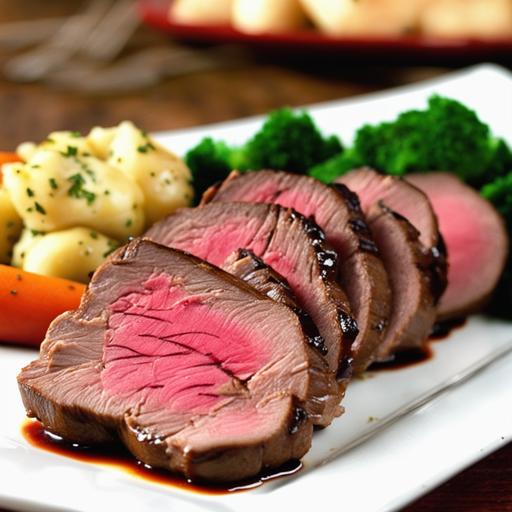
How To Cook Deer Tenderloin In Air Fryer [FULL GUIDE]
Recommended Equipments:
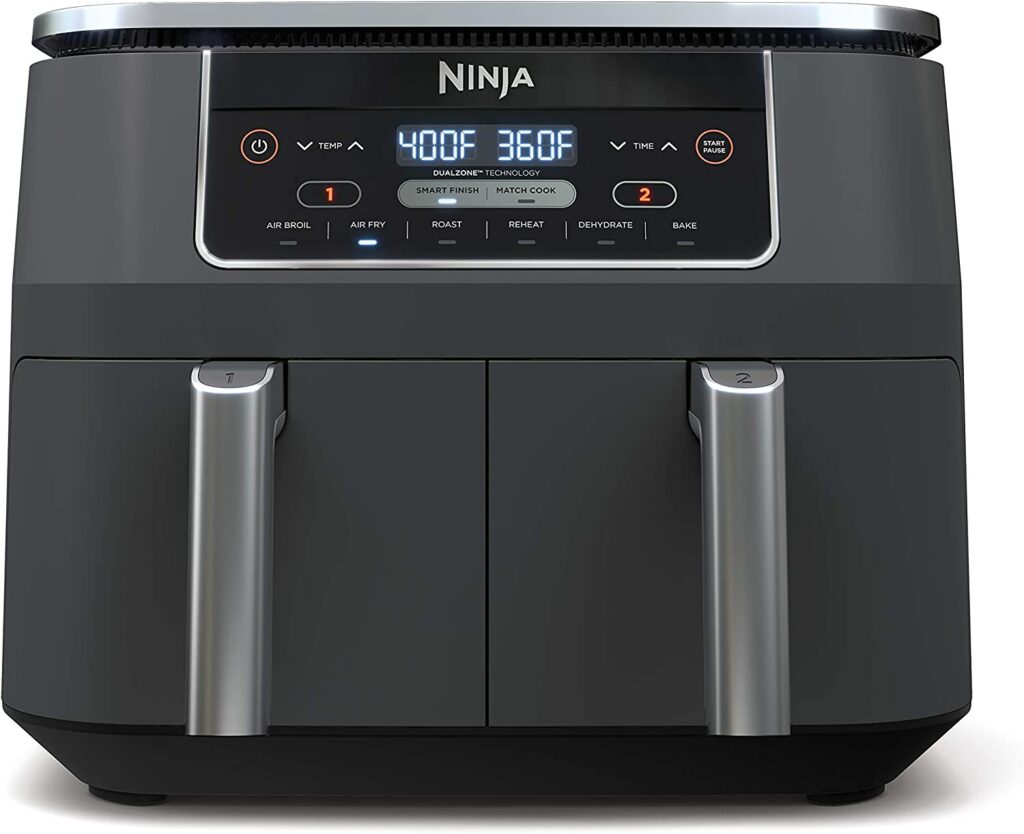
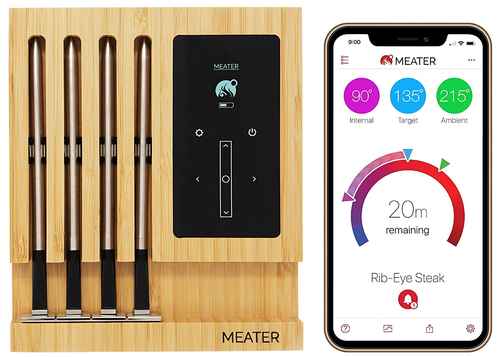
Deer tenderloin, also known as venison tenderloin, is a delicacy prized for its lean, tender, and flavorful qualities. Unlike beef or pork, venison has very little fat, which means it can quickly become dry or overcooked if not handled carefully. Cooking venison in an air fryer is an excellent way to achieve a perfectly seared exterior while maintaining a juicy, tender interior. Air fryers provide a controlled cooking environment with rapid air circulation, which mimics the effect of frying without excess oil. This makes them ideal for lean cuts like deer tenderloin, ensuring a succulent result in a fraction of the time it would take using conventional ovens or stovetops. Understanding the right temperature, timing, and techniques is crucial to bringing out the best in this premium protein.
Optimal Air Fryer Temperature To Cook Deer Tenderloin In Air Fryer
Cooking deer tenderloin in an air fryer requires precision because this cut is delicate and lean. The recommended temperature range is 375°F to 400°F (190°C to 204°C). At these temperatures, the exterior develops a beautiful caramelized crust, while the interior remains tender and juicy.
- 375°F (190°C): Ideal if you want a slower, gentler cook that preserves maximum juiciness.
- 400°F (204°C): Suitable if you prefer a slightly crispier exterior and faster cooking time.
Temperatures above 400°F risk overcooking the tenderloin too quickly, causing the meat to dry out. Lower temperatures may not develop a proper sear and can make the cooking process unnecessarily long.
How Long To Cook Deer Tenderloin In Air Fryer
Cooking time depends on the thickness of the tenderloin, but a general guideline for air fryers is:
- For tenderloins 1-1.5 inches thick: 12-15 minutes total.
- For thinner tenderloins (<1 inch): 8-10 minutes may suffice.
It’s best to flip the tenderloin halfway through cooking to ensure even browning on all sides. Remember, air fryers cook with circulating hot air, so they tend to cook slightly faster than conventional ovens.
How To Tell If It Is Done
Venison is best enjoyed medium-rare to medium. Overcooking can result in toughness and dryness. Use the following guidelines:
- Medium-rare: Internal temperature of 130-135°F (54-57°C)
- Medium: Internal temperature of 140-145°F (60-63°C)
- Well-done: Internal temperature above 155°F (68°C) – not recommended for tenderloin
A meat thermometer is the most reliable method. Additionally, the tenderloin should feel firm but springy to the touch, and the juices should run slightly pink rather than clear.
Ingredients Needed
To enhance the natural flavor of deer tenderloin without overpowering it, you’ll need:
- 1 deer tenderloin (1-1.5 pounds)
- 1-2 tablespoons olive oil or melted butter
- Salt (preferably coarse sea salt)
- Freshly ground black pepper
- Optional seasonings: garlic powder, smoked paprika, rosemary, thyme
- Optional marinade: soy sauce, Worcestershire sauce, or balsamic vinegar
These simple ingredients allow the rich, earthy flavor of the venison to shine while adding a complementary layer of aroma and taste.
How To Cook Deer Tenderloin In Air Fryer
- Prep the Tenderloin: Pat the meat dry with paper towels. Lightly coat with olive oil or melted butter, then season with salt, pepper, and optional herbs or spices.
- Preheat Air Fryer: Set the air fryer to 375-400°F and allow it to preheat for 3-5 minutes.
- Cook: Place the tenderloin in the air fryer basket, ensuring it’s not overcrowded. Cook for 6-7 minutes per side for medium-rare, adjusting based on thickness.
- Check Temperature: Use a meat thermometer to verify doneness. Remove the tenderloin once it reaches 130-135°F for medium-rare.
- Rest: Let the meat rest for 5-10 minutes. This allows the juices to redistribute, ensuring a moist and tender result.
- Slice and Serve: Slice against the grain into medallions and serve immediately.
What If I Use A Different Air Fryer Temperature?
Adjusting the temperature changes both cooking time and texture:
- Lower temperatures (325-350°F): Slower cooking, more even heat penetration, minimal risk of overcooking, but the exterior won’t sear as deeply.
- Higher temperatures (410-425°F): Rapid browning, shorter cook time, but increased risk of a dry interior.
If you adjust the temperature, monitor the internal temperature carefully and use the half-way flip technique to ensure even cooking.
What If I Use A Different Air Fryer Cooking Time?
Cooking time is directly linked to thickness, temperature, and desired doneness:
- Shorter time: Meat may remain undercooked or overly rare.
- Longer time: Risk of drying out the tenderloin and losing the delicate texture.
The safest approach is to check the internal temperature rather than relying solely on time, especially with lean venison tenderloin.
When Things Go Wrong
Even experienced cooks can face challenges:
- Dry meat: Likely caused by overcooking. Try lowering the temperature next time and monitor with a thermometer.
- Uneven cooking: May occur if the tenderloin is crowded in the basket. Air must circulate freely.
- Burned exterior, raw interior: Usually from too high a temperature; reduce heat and increase cooking time for thicker cuts.
Proper preparation, preheating, and using a thermometer can prevent most common pitfalls.
Expert Tips
- Butter basting: After flipping, brush the tenderloin with butter to enhance moisture and flavor.
- Marinade: Even a quick 30-minute marinade can enhance tenderness and flavor.
- Resting is essential: Do not skip resting; it ensures juicy, tender meat.
- Slicing: Always slice against the grain to maximize tenderness.
- Air fryer basket placement: Place tenderloin in a single layer; overcrowding reduces air circulation and causes uneven cooking.
FAQs
What Is The Best Way To Prepare Deer Tenderloin For The Air Fryer?
Before cooking, trim any silver skin or excess fat from the deer tenderloin. Lightly season it with salt, pepper, and your choice of herbs or marinades. Allow the meat to come to room temperature for about 15-20 minutes to ensure even cooking in the air fryer.
At What Temperature Should I Cook Deer Tenderloin In An Air Fryer?
Preheat the air fryer to 400°F (200°C). This high temperature allows the exterior to sear and develop a nice crust while keeping the interior tender and juicy.
How Long Does It Take To Cook Deer Tenderloin In An Air Fryer?
Cooking time depends on the thickness of the tenderloin. For a 1-1.5 inch thick tenderloin, air fry for approximately 10-12 minutes, flipping halfway through. Always check the internal temperature to avoid overcooking.
What Is The Ideal Internal Temperature For Deer Tenderloin?
For optimal tenderness and flavor, cook deer tenderloin to an internal temperature of 130-135°F (54-57°C) for medium-rare, or 140-145°F (60-63°C) for medium. Use a meat thermometer to ensure accuracy.
Should I Marinate Deer Tenderloin Before Air Frying?
Marinating is optional but recommended, especially for wild game, as it enhances flavor and tenderness. A simple marinade of olive oil, garlic, herbs, and a touch of acid (like lemon juice or vinegar) works well for 2-4 hours before cooking.
How Do I Prevent Deer Tenderloin From Drying Out In The Air Fryer?
Avoid overcooking, as deer meat is very lean and can dry out quickly. Flip the tenderloin halfway through cooking, and consider lightly brushing with oil or butter before air frying. Let the meat rest for 5-10 minutes after cooking to redistribute juices.
Can I Cook Frozen Deer Tenderloin In An Air Fryer?
It is not recommended to cook frozen deer tenderloin directly in the air fryer, as it may cook unevenly and dry out. Thaw the tenderloin in the refrigerator overnight or use a cold-water thaw method before air frying for best results.