
How To Dehydrate Mangoes In Air Fryer [FULL GUIDE]
Recommended Equipments:
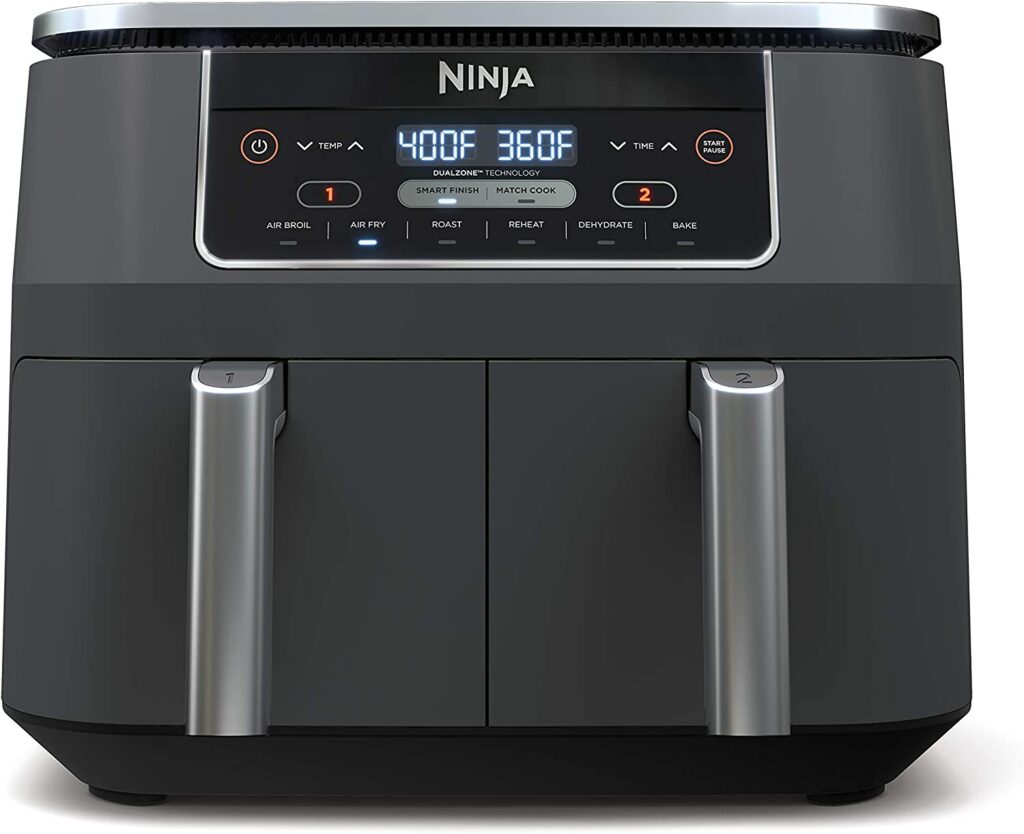
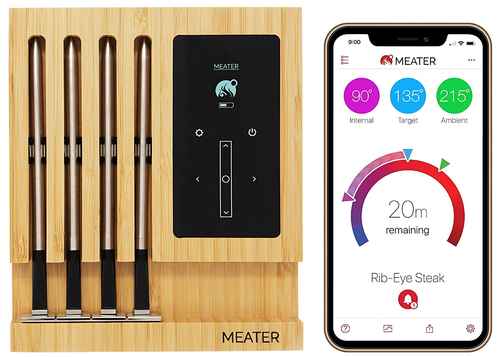
Dehydrating mangoes is a delicate dance between time, temperature, and precision. The luscious, tropical sweetness of mangoes becomes concentrated when water is removed, transforming this juicy fruit into chewy, intensely flavored snacks or ingredients for trail mixes, desserts, and baked goods. While traditional dehydration methods often require specialized equipment like a dehydrator or long hours in a low-temperature oven, the air fryer offers a convenient and surprisingly effective alternative. Its circulating hot air allows for even drying, producing mango slices that retain their vibrant color, rich aroma, and natural sweetness. Understanding the subtleties of air fryer dehydration is key to achieving the perfect texture without losing the fruit’s inherent flavor.
Optimal Air Fryer Temperature To Dehydrate Mangoes In Air Fryer
Temperature control is crucial when dehydrating mangoes. Too high, and the fruit may burn or become tough; too low, and it may dry unevenly or spoil before dehydration is complete. The ideal air fryer temperature for mangoes is generally 125°F to 135°F (52°C to 57°C). This low and slow approach allows the moisture to evaporate gradually, preserving the natural sugars and preventing caramelization or scorching.
Some advanced air fryers may only display whole numbers in Fahrenheit increments, so if your machine allows, selecting a setting near 130°F (54°C) is a safe middle ground. Patience is vital-dehydration at higher temperatures might seem faster, but it risks compromising the mango’s texture and flavor.
How Long To Dehydrate Mangoes In Air Fryer
Dehydration time varies depending on slice thickness, water content, and the type of mango. Thin slices (about 1/4 inch thick) can take 6 to 8 hours, while thicker slices may need 8 to 12 hours.
Unlike roasting or frying, dehydration is a slow process because the goal is to remove water without cooking the fruit. Some air fryers may require rotating the trays or stirring slices halfway through to ensure uniform drying. It’s essential to monitor progress rather than relying solely on a timer; visual and tactile cues are better indicators of readiness than elapsed time alone.
How To Tell If It Is Done
Properly dehydrated mangoes should feel leathery but pliable. When bent, they should not snap like a cracker, nor should they feel sticky or damp. If you press a slice between your fingers, no moisture should come out. The edges may be slightly curled, and the color should be a rich golden-orange, slightly darker than fresh mango but not browned or charred.
For longer storage, consider testing by cooling the mango slices completely and then checking for any residual moisture. Any hint of dampness can lead to spoilage, so err on the side of slightly longer dehydration if unsure.
Ingredients Needed
- Ripe Mangoes – Choose firm but sweet mangoes; overly soft fruit may become mushy.
- Optional Lemon Juice or Citric Acid – Helps prevent browning and adds a subtle tang.
- Optional Sweetener – If your mangoes are slightly tart, a light brush of honey or agave can enhance sweetness.
No oils or heavy coatings are needed; pure mangoes are ideal for dehydration.
How To Dehydrate Mangoes In Air Fryer
- Prepare the Mangoes: Peel and slice mangoes evenly, ideally 1/4 inch thick for consistent drying.
- Optional Pre-Treatment: Lightly brush slices with lemon juice to prevent discoloration.
- Arrange in Air Fryer: Place slices in a single layer on the air fryer tray, leaving space between pieces for airflow. Avoid overlapping.
- Set Temperature: Preheat the air fryer to 130°F (54°C).
- Dehydrate Slowly: Let the mango slices dry for 6-12 hours, depending on thickness. Check periodically.
- Rotate or Flip: If your air fryer does not circulate air evenly, flip slices every few hours for uniform dehydration.
- Cool and Store: Once done, let mango slices cool completely before storing in an airtight container in a cool, dry place.
What If I Use A Different Air Fryer Temperature?
Using a higher temperature than recommended may accelerate dehydration but can compromise texture, making mangoes tough, brittle, or scorched. Conversely, a lower temperature may extend drying time dramatically and risk microbial growth if the fruit remains in a ’danger zone’ temperature range for too long. Always aim for a low, steady temperature to preserve the fruit’s integrity.
What If I Use A Different Air Fryer Cooking Time?
Shorter cooking times generally leave slices too moist, which can lead to stickiness or spoilage during storage. Overextending the time can cause over-dried, hard, or brittle mangoes. Adjusting time should always be paired with checking texture and flexibility rather than relying on a preset number of hours.
When Things Go Wrong
- Mangoes are sticky after dehydration: Likely under-dried; return slices to the air fryer and continue drying.
- Mangoes are burnt or overly tough: Temperature was too high; next attempt, reduce heat and increase dehydration time.
- Uneven drying: Slices may be uneven in thickness, or airflow is obstructed; ensure uniform slices and proper spacing.
- Mold or spoilage during storage: Fruit was under-dried or stored while still warm; dehydrate thoroughly and store in airtight containers after cooling.
Expert Tips
- Uniform Slicing: Use a mandoline or sharp knife for consistent thickness.
- Batch Sizes: Avoid overcrowding trays; small batches dry more evenly.
- Humidity Matters: Air fryer dehydration works best in low-humidity environments.
- Storage: Vacuum-sealing extends shelf life, but standard airtight containers in a cool, dry pantry are sufficient for weeks.
- Pre-Treatment: Light lemon or lime juice helps preserve color and flavor.
- Test Early: Begin checking slices a few hours before the estimated finish time to prevent over-drying.
FAQs
What Type Of Mangoes Are Best For Dehydrating In An Air Fryer?
Firm, ripe mangoes are ideal for dehydrating. Varieties like Ataulfo, Haden, or Tommy Atkins work well because they have a sweet flavor and low moisture content compared to very soft or overripe mangoes, which can become too sticky or unevenly dehydrated.
Do I Need To Peel And Slice Mangoes Before Dehydrating In An Air Fryer?
Yes, mangoes should be peeled and sliced evenly, ideally 1/4 inch thick. Uniform slices ensure consistent drying, while thicker slices may retain moisture and thinner slices can become brittle or over-dried.
Should Mango Slices Be Pre-treated Before Air Fryer Dehydration?
Pre-treating mango slices with a light lemon or lime juice bath can help prevent browning and maintain color. However, it is optional, as the air fryer’s heat will naturally caramelize the sugars, enhancing flavor.
What Temperature And Time Should I Use To Dehydrate Mangoes In An Air Fryer?
A temperature of 135-140°F (57-60°C) is recommended for gentle dehydration. Drying time typically ranges from 6 to 10 hours, depending on slice thickness, mango water content, and air fryer model. Checking every hour toward the end ensures the desired texture is achieved.
Do I Need To Flip The Mango Slices During Dehydration?
Yes, flipping the slices halfway through the process promotes even drying and prevents uneven caramelization or sticking to the air fryer basket. If your air fryer has multiple trays, rotating them periodically is also helpful.
How Can I Tell When Mango Slices Are Fully Dehydrated In An Air Fryer?
Fully dehydrated mango slices should be pliable but not sticky, with no visible moisture. They should bend without breaking and should not have a tacky surface. Over-dried slices will be brittle, while under-dried slices may develop mold during storage.
How Should I Store Dehydrated Mangoes To Maintain Freshness?
Store dehydrated mangoes in an airtight container in a cool, dark place. For longer shelf life, vacuum-sealing is recommended. Properly dehydrated and stored mangoes can last 6-12 months without significant loss of flavor or texture.