
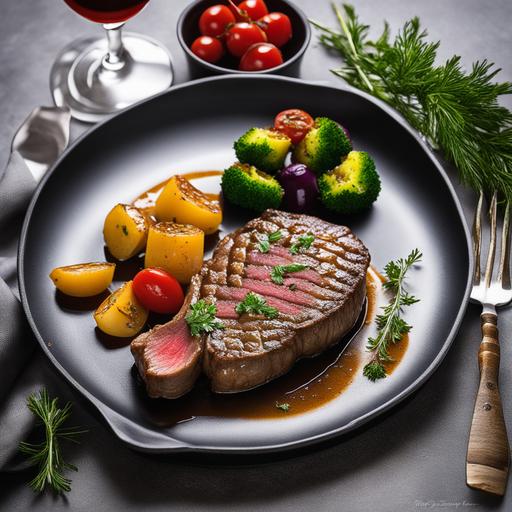
How To Cook Deer Steak In Air Fryer [FULL GUIDE]
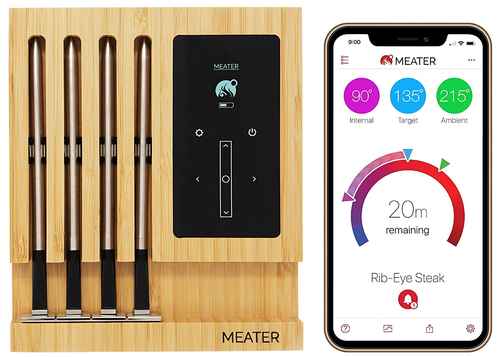
Recommended Equipments:
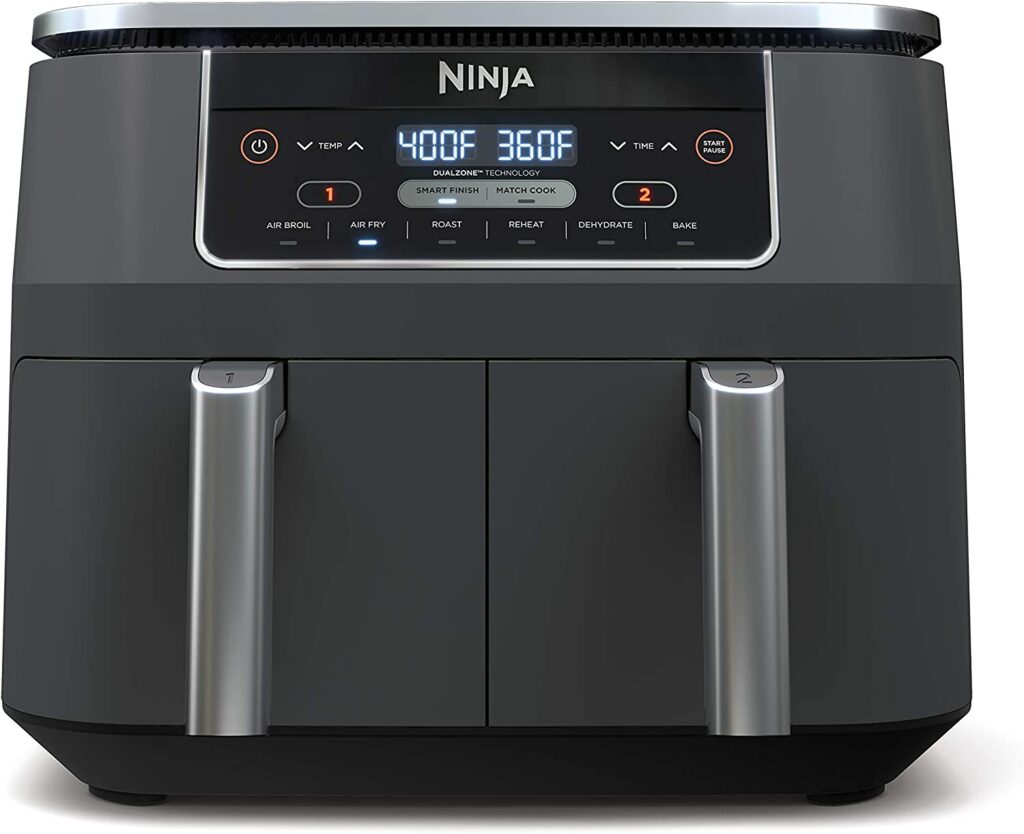
Cooking deer steak in an air fryer offers a unique and convenient approach to enjoying this lean, flavorful protein. Venison, unlike traditional beef, has a lower fat content, making it prone to drying out if overcooked. The air fryer, with its rapid circulation of hot air, can sear the steak beautifully while keeping the interior tender and juicy. This method requires precise temperature control and careful timing, ensuring that the delicate texture and rich, earthy flavor of venison are fully preserved. In this guide, we will explore everything from the optimal cooking temperature to troubleshooting common mistakes, giving you the confidence to achieve perfect air-fried deer steak every time.
Optimal Air Fryer Temperature To Cook Deer Steak In Air Fryer
The temperature you select when air frying deer steak is crucial because venison is leaner than beef and lacks significant marbling to protect it from drying out. Most culinary experts recommend an air fryer temperature range of 375°F to 400°F (190°C to 205°C).
- 375°F (190°C): This is ideal for gently cooking the steak while retaining moisture. It allows a medium-rare interior without overcooking the edges.
- 400°F (205°C): This higher temperature is perfect for those who want a slightly more pronounced sear on the exterior. However, it requires careful monitoring to prevent the steak from becoming dry.
Keep in mind that thicker cuts may require slightly lower temperatures to allow heat to penetrate evenly, while thinner cuts can handle the higher end of this range without issue.
How Long To Cook Deer Steak In Air Fryer
Cooking times vary based on the steak’s thickness and your preferred level of doneness. Here’s a practical guideline for a 1-inch thick venison steak:
- Rare (125°F/52°C): 5-6 minutes, flipping halfway
- Medium-rare (135°F/57°C): 6-7 minutes, flipping halfway
- Medium (145°F/63°C): 7-8 minutes, flipping halfway
- Medium-well (150°F/66°C): 8-9 minutes, flipping halfway
Thicker steaks may need an extra 1-2 minutes per side, while thinner cuts may cook faster. Always use a meat thermometer for precision, as venison can quickly transition from perfectly cooked to dry.
How To Tell If It Is Done
The most reliable way to know if your deer steak is cooked correctly is to use an instant-read meat thermometer. Insert it into the thickest part of the steak:
- Rare: 125°F
- Medium-rare: 135°F
- Medium: 145°F
- Medium-well: 150°F
Visually, a properly cooked venison steak will have a seared, browned exterior with juices that are just beginning to emerge. The texture should feel firm but springy, and cutting into it should reveal a warm, slightly pink center for medium-rare.
Ingredients Needed
Cooking deer steak in an air fryer doesn’t require elaborate ingredients. Here’s a simple yet flavorful list:
- Deer steak (1-1.5 inches thick, trimmed of excess fat or silver skin)
- Olive oil or melted butter (1-2 tsp per steak)
- Salt (preferably kosher or sea salt)
- Black pepper (freshly ground for best flavor)
- Optional: garlic powder, smoked paprika, rosemary, or thyme for added aroma
- Lemon or balsamic vinegar (for a light marinade or finishing drizzle)
How To Cook Deer Steak In Air Fryer
- Preheat your air fryer to 375-400°F (190-205°C).
- Season the steaks: Brush both sides lightly with olive oil or butter, then sprinkle salt, pepper, and any optional seasonings.
- Place the steak in the air fryer basket: Ensure it lies flat and does not overlap other pieces.
- Cook according to thickness and desired doneness, flipping halfway through the cooking time.
- Check internal temperature with a meat thermometer to ensure proper doneness.
- Rest the steak for 5-10 minutes after cooking. Resting allows the juices to redistribute, ensuring a moist, tender bite.
What If I Use A Different Air Fryer Temperature?
Adjusting the temperature will affect the steak’s texture and juiciness:
- Lower temperature (350°F/175°C): Slower cooking, reduced risk of burning, more even interior, but less sear on the exterior.
- Higher temperature (425°F/220°C): Faster cooking and a crispier exterior, but increased risk of overcooking the lean venison interior.
In either case, rely on an instant-read thermometer rather than timing alone.
What If I Use A Different Air Fryer Cooking Time?
Changing the cooking time without adjusting temperature can either undercook or overcook the steak:
- Shorter time: The steak may be underdone, especially in the center, risking a raw texture.
- Longer time: Overcooking is the biggest risk, causing dryness and a tough bite.
Always test the center with a thermometer rather than assuming the exterior color indicates doneness.
When Things Go Wrong
Even experienced cooks encounter mishaps with venison:
- Steak is dry: Likely overcooked. Next time, reduce temperature slightly or shorten cooking time. Marinating beforehand can help retain moisture.
- Steak is undercooked: Simply return it to the air fryer for a few more minutes, checking frequently.
- Steak sticks to the basket: Lightly coat with oil or use parchment paper designed for air fryers.
A little practice and observation go a long way in perfecting your results.
Expert Tips
- Bring to room temperature first: Remove steaks from the fridge for 20-30 minutes before cooking for more even heat penetration.
- Do not overcrowd the basket: Air circulation is key to even cooking.
- Season generously: Lean meat benefits from strong seasoning or a marinade.
- Rest before slicing: This step is non-negotiable for juicy, tender venison.
- Use a thermometer: Air fryers vary widely, and visual cues alone can be misleading.
FAQs
What Is The Best Way To Prepare Deer Steak Before Air Frying?
Before air frying, trim any excess fat and silver skin from the deer steak. Marinate the steak for at least 1-2 hours in a mixture of oil, garlic, herbs, and your preferred seasonings to enhance tenderness and flavor. Pat the steak dry before placing it in the air fryer to ensure proper searing.
At What Temperature Should I Cook Deer Steak In An Air Fryer?
Preheat the air fryer to 400°F (204°C). This temperature allows for a good sear on the outside while keeping the interior juicy. Adjust cooking time slightly for thicker or thinner cuts.
How Long Does It Take To Cook Deer Steak In An Air Fryer?
Cooking time depends on thickness and desired doneness. For a 1-inch thick steak, cook for 8-10 minutes for medium-rare, flipping halfway through. For medium, cook 10-12 minutes. Always use a meat thermometer to confirm internal temperature: 130°F (54°C) for medium-rare, 140°F (60°C) for medium.
Should I Season Deer Steak Differently Than Beef Steak For Air Frying?
Deer meat is leaner and has a stronger flavor than beef, so it benefits from bolder seasonings. Use salt, pepper, garlic powder, smoked paprika, or a marinade with acidic ingredients like vinegar or citrus to tenderize and enhance flavor. Avoid overpowering delicate herbs that might get lost.
Is It Necessary To Flip The Deer Steak While Air Frying?
Yes, flipping the steak halfway through cooking ensures even browning and consistent internal temperature. Air fryers circulate hot air, but flipping helps prevent one side from overcooking or drying out.
Can I Cook Frozen Deer Steak In An Air Fryer?
While it is possible to cook frozen deer steak in an air fryer, it is not recommended for optimal tenderness. Thaw the steak fully in the refrigerator before air frying. Cooking from frozen may result in uneven cooking and a tougher texture.
How Can I Keep Deer Steak Juicy When Air Frying?
Because deer meat is very lean, avoid overcooking. Use a marinade or lightly brush the steak with oil. Allow the steak to rest 5 minutes after cooking to let juices redistribute. Using a meat thermometer helps ensure the steak reaches the desired doneness without drying out.