
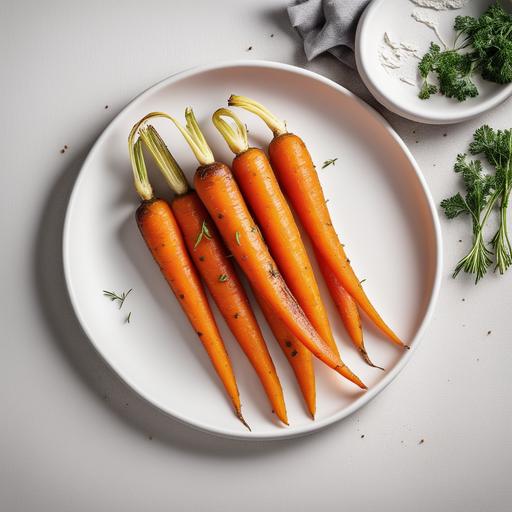
How To Dehydrate Carrots In Air Fryer [FULL GUIDE]
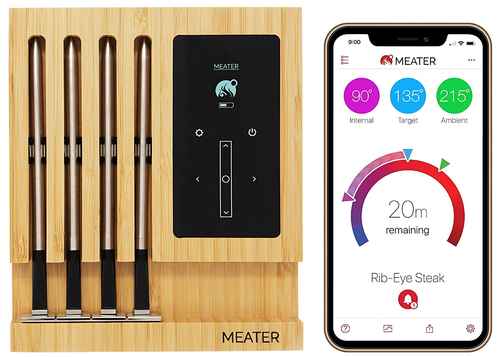
Recommended Equipments:
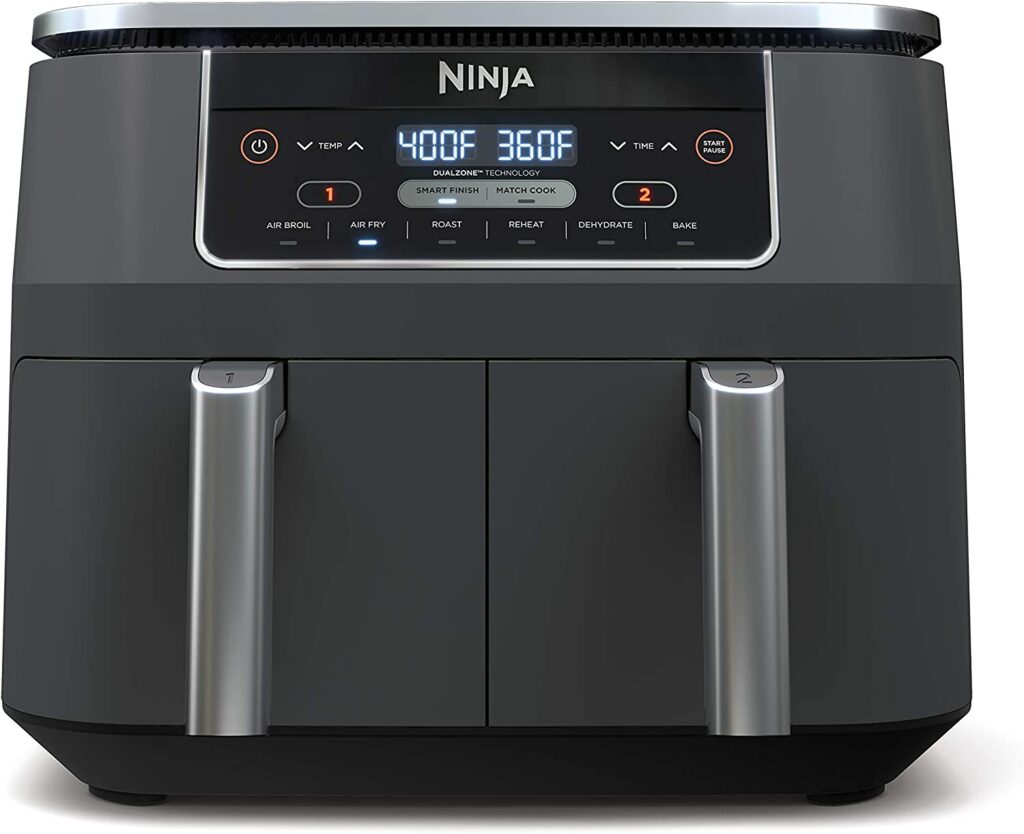
Dehydrating carrots in an air fryer may seem unconventional to some, but it’s an innovative and efficient method for creating nutrient-dense snacks, cooking ingredients, or long-lasting pantry staples. Unlike traditional oven or sun-drying methods, air fryer dehydration combines the advantages of rapid air circulation and precise temperature control, preserving the natural sweetness, vibrant color, and crisp texture of the carrots. This process locks in essential vitamins and minerals while reducing the water content, resulting in a chewy or crunchy snack depending on your preference. Whether you are an aspiring home chef, a busy parent seeking healthy snacks, or a prepper planning for long-term food storage, mastering carrot dehydration in an air fryer is a game-changer.
Optimal Air Fryer Temperature To Dehydrate Carrots In Air Fryer
Temperature is the most crucial factor when dehydrating carrots in an air fryer. Unlike conventional frying or roasting, the goal is not to cook the carrots but to gently remove moisture over time. The ideal temperature range is 120°F to 140°F (50°C to 60°C). At this low heat, carrots lose water gradually, preventing them from burning or developing an overly brittle texture. Many air fryers do not have precise dehydration settings, so manually adjusting to the lowest possible temperature or using the ’keep warm’ or ’slow cook’ function can replicate professional dehydrators. This controlled heat ensures that the carrots retain their natural sugars, flavors, and nutrients while slowly transforming into a dehydrated form suitable for long-term storage.
How Long To Dehydrate Carrots In Air Fryer
The dehydration process is largely influenced by carrot thickness and moisture content. Thinly sliced or julienned carrots will dehydrate faster than thicker rounds or sticks. On average, dehydration in an air fryer at 130°F (55°C) takes anywhere from 6 to 10 hours. If your slices are uniform and thin (around 1/8 inch thick), you may notice crisp edges forming at the lower end of the range. Thicker slices or chunks may require extended periods, sometimes up to 12 hours, to achieve the desired dryness. For optimal results, it’s recommended to check periodically and rotate the trays to ensure even airflow and consistent dehydration.
How To Tell If It Is Done
Knowing when carrots are properly dehydrated is essential to avoid spoilage or over-drying. Properly dehydrated carrots should exhibit the following characteristics:
- Texture: Carrots should be dry and slightly leathery but not sticky. Thin slices should snap easily, while thicker slices should be pliable and firm without moisture pockets.
- Color: The natural orange color will darken slightly but remain vibrant. Any blackened or overly brown edges indicate overheating.
- Moisture test: Break a piece in half; no visible moisture should appear. If condensation forms, the process is not complete.
- Taste and chew: Properly dehydrated carrots taste concentrated and sweet, and they do not have a raw or watery texture.
Ingredients Needed
Dehydrating carrots in an air fryer requires minimal ingredients. The simplicity of this process highlights the natural flavor of the carrots:
- Fresh, firm carrots (as many as your air fryer can accommodate)
- Optional: a light brush of olive oil or seasoning such as salt, cinnamon, or paprika for flavor variation
- Optional: lemon juice or vinegar (to preserve color and prevent oxidation)
How To Dehydrate Carrots In Air Fryer
- Preparation: Wash and peel the carrots. Slice them uniformly into rounds, sticks, or thin shavings to ensure even dehydration.
- Optional pre-treatment: To maintain color and flavor, you can blanch carrot slices in boiling water for 2-3 minutes and immediately cool them in ice water. Pat dry completely.
- Arrange in air fryer: Place carrot slices in a single layer on the air fryer basket or tray. Avoid overlapping to ensure proper airflow.
- Set temperature: Adjust your air fryer to the lowest temperature, ideally 120-140°F (50-60°C).
- Dehydrate: Insert the tray and allow the carrots to dehydrate. Check and rotate every 2-3 hours for even drying.
- Cool and store: Once fully dehydrated, allow carrots to cool completely before storing in an airtight container. Properly dried carrots can last up to a year in a cool, dark place.
What If I Use A Different Air Fryer Temperature?
Increasing the temperature can shorten dehydration time but carries risks:
- Above 150°F (65°C): Carrots may cook instead of drying, becoming brittle on the edges but moist inside.
- Above 170°F (75°C): Rapid moisture loss can burn the surface while leaving the core moist, leading to uneven texture and potential spoilage.
- Below 120°F (50°C): Drying may take excessively long, increasing the risk of bacterial growth before the water content is sufficiently reduced.
Precision in temperature control is vital for achieving the ideal balance between moisture removal and nutrient preservation.
What If I Use A Different Air Fryer Cooking Time?
Dehydration time directly affects texture and shelf life:
- Shorter time: Carrots remain partially moist and can spoil quickly.
- Extended time: Over-drying can lead to brittle, excessively hard carrots that may lose flavor.
It’s better to start checking early and gradually extend the time, ensuring the texture matches your preference.
When Things Go Wrong
Even experienced cooks encounter challenges:
- Carrots are still moist after the expected time: Slice thickness may be uneven; increase drying time and rotate trays.
- Carrots are burnt or discolored: Temperature was too high. Reduce heat and lower tray placement in the air fryer.
- Uneven drying: Overcrowding or improper airflow. Dehydrate in batches for consistency.
- Sticky or chewy carrots: Likely due to residual moisture; return to the air fryer for additional drying.
Anticipating and correcting these issues ensures a reliable and repeatable dehydration process.
Expert Tips
- Uniform slicing is key: Consistent thickness ensures even dehydration.
- Use parchment paper: Prevents sticking and simplifies cleanup.
- Rotate trays: Air fryers can have hot spots; rotating trays ensures uniform drying.
- Store properly: Use airtight containers and keep away from light and humidity to maximize shelf life.
- Flavor infusions: Lightly sprinkle herbs, spices, or a hint of sugar before drying for a gourmet touch.
- Test for dryness: A small batch test helps refine temperature and time for your specific air fryer model.
FAQs
What Is The Best Way To Prepare Carrots For Dehydration In An Air Fryer?
Start by washing and peeling the carrots. Slice them evenly to ensure consistent dehydration; thin slices or sticks work best. Blanching the carrots for 2-3 minutes in boiling water before air frying can help retain color, flavor, and nutrients, although it is optional.
At What Temperature Should I Dehydrate Carrots In An Air Fryer?
Set the air fryer to a low temperature, typically between 120°F and 140°F (50°C to 60°C). High temperatures can cook the carrots rather than dehydrate them, resulting in uneven texture and potential burning.
How Long Does It Take To Dehydrate Carrots In An Air Fryer?
Dehydration time varies based on slice thickness and air fryer model. Thin slices usually take 2-4 hours, while thicker sticks may take 4-6 hours. It is recommended to check periodically and shake or rotate the carrots for even drying.
Do I Need To Use Oil Or Seasoning Before Dehydrating Carrots?
No oil is required for dehydration, as it can slow down the drying process. Seasoning is optional and can be added after the carrots are fully dehydrated. Adding spices beforehand can sometimes cause uneven drying.
How Can I Tell When The Carrots Are Fully Dehydrated?
Fully dehydrated carrots should be crisp or leathery, depending on desired texture, with no visible moisture. If they bend or snap but still feel slightly moist, continue dehydrating in short increments until fully dried.
How Should Dehydrated Carrots Be Stored?
Store dehydrated carrots in an airtight container in a cool, dark, and dry location. Properly stored, they can last 6-12 months. For longer storage, vacuum-sealing or refrigeration can extend shelf life and preserve texture.
Can I Rehydrate Dehydrated Carrots For Cooking?
Yes, dehydrated carrots can be rehydrated by soaking them in water for 20-30 minutes or by adding them directly to soups and stews during cooking. The rehydrated carrots will regain much of their original texture, although they may be slightly softer.