How To Cook Frozen Vegetables In Air Fryer [FULL GUIDE]
Recommended Equipments:
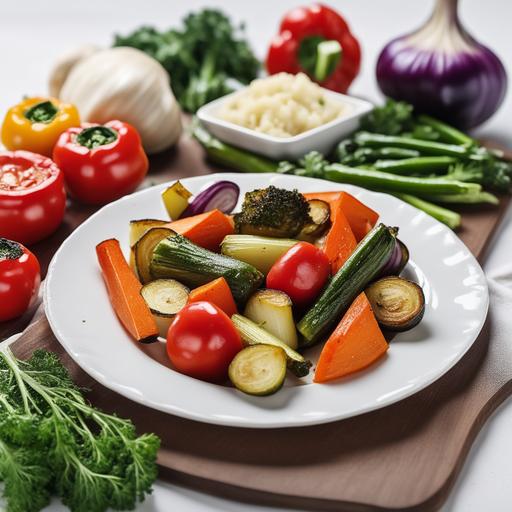
Air fryers have revolutionized home cooking, offering a fast, convenient, and healthier alternative to traditional frying methods. For anyone who loves vegetables but struggles with soggy or unevenly cooked frozen varieties, the air fryer is a game-changer. Unlike conventional ovens that can leave frozen vegetables limp, or stovetops that often require constant stirring, an air fryer delivers crisp, evenly roasted vegetables with minimal effort. Its rapid air circulation technology ensures that each piece is cooked uniformly, preserving nutrients, enhancing natural flavors, and adding a satisfying crunch that makes even the simplest vegetables feel indulgent.
Cooking frozen vegetables in an air fryer is more than just “toss them in and press start”. Understanding the correct temperature, timing, and preparation methods ensures maximum flavor and texture, transforming humble frozen vegetables into a side dish worthy of any meal.
Optimal Air Fryer Temperature To Cook Frozen Vegetables In Air Fryer
The ideal air fryer temperature for cooking frozen vegetables typically falls between 375°F (190°C) and 400°F (204°C). This range is high enough to encourage browning and crispiness but not so high that vegetables burn or dry out before the interior cooks.
- Lower end (around 375°F/190°C): Best for delicate vegetables like broccoli, cauliflower, or spinach, which can overcook quickly.
- Higher end (around 400°F/204°C): Ideal for denser vegetables like carrots, Brussels sprouts, or green beans, which benefit from a slightly higher heat to achieve a crisp exterior while cooking through.
Many air fryer models vary in heat distribution, so the temperature you select might require slight adjustment. Always consider the type of vegetable and its size when setting the temperature-smaller cuts cook faster and may need a slightly lower temperature to avoid burning.
How Long To Cook Frozen Vegetables In Air Fryer
Cooking times vary based on the vegetable type, size, and whether the pieces are coated with oil or seasoning. As a general guide:
- Broccoli florets: 10-12 minutes
- Cauliflower florets: 12-14 minutes
- Carrots (sliced or baby carrots): 15-18 minutes
- Brussels sprouts (halved): 15-18 minutes
- Green beans: 10-12 minutes
- Mixed vegetables: 12-15 minutes
It’s important to shake or stir the basket halfway through cooking. This ensures even exposure to hot air, prevents sticking, and promotes uniform browning.
How To Tell If It Is Done
Perfectly cooked frozen vegetables should have:
- A vibrant color: Vegetables should look fresh and bright, not dull or gray.
- Tenderness with a bite: Test with a fork. The interior should be soft but not mushy.
- Slight crispiness or browning on edges: This indicates caramelization, which enhances flavor.
- Even cooking throughout: All pieces should be similar in texture; uneven cooking may mean you need to shake the basket more often or adjust time/temperature.
Ingredients Needed
Cooking frozen vegetables in an air fryer is simple, often requiring only basic ingredients:
- Frozen vegetables of your choice (broccoli, cauliflower, carrots, green beans, Brussels sprouts, etc.)
- Olive oil or any neutral cooking oil (1-2 teaspoons per 2 cups of vegetables)
- Salt and pepper, to taste
- Optional: garlic powder, smoked paprika, chili flakes, or dried herbs for extra flavor
How To Cook Frozen Vegetables In Air Fryer
- Preheat the air fryer to the recommended temperature (375-400°F/190-204°C). Preheating ensures immediate cooking and crisping.
- Prepare vegetables: Place frozen vegetables in a large bowl. Lightly drizzle with oil and toss to coat evenly. Season with salt, pepper, and optional spices.
- Place vegetables in the air fryer basket: Avoid overcrowding; too many vegetables in a single layer can prevent proper air circulation.
- Cook for the recommended time: Typically 10-18 minutes depending on vegetable type. Shake or stir halfway through cooking.
- Check doneness: Taste and visually inspect. If needed, cook an additional 1-2 minutes for extra crispness.
- Serve immediately for optimal texture and flavor.
What If I Use A Different Air Fryer Temperature?
- Lower temperature (<375°F/190°C): Vegetables may cook unevenly and become soft rather than crisp. You’ll need to increase cooking time.
- Higher temperature (>400°F/204°C): Risk of burning or drying out, especially for delicate vegetables. Dense vegetables can handle higher heat but require closer monitoring.
Temperature adjustments should be made gradually, in increments of 10-15°F (5-8°C), while observing how your specific air fryer model behaves.
What If I Use A Different Air Fryer Cooking Time?
- Shorter cooking time: Vegetables may remain frozen in the center, resulting in uneven texture.
- Longer cooking time: Vegetables can dry out or burn, especially smaller or softer pieces.
The key is balance-cook until the vegetables are tender but retain some firmness, and lightly browned edges appear. Stirring or shaking the basket midway helps maintain consistency.
When Things Go Wrong
Even with experience, things can go wrong. Common issues include:
- Soggy vegetables: Often due to overcrowding the basket or skipping oil. Ensure even spacing and a light oil coating.
- Burned edges: Usually caused by too high a temperature or cooking too long. Lower the temperature or reduce the time.
- Uneven cooking: Stir or shake the basket halfway, and cut vegetables into uniform sizes.
Don’t be discouraged-air fryer cooking improves with practice and careful observation.
Expert Tips
- Preheat for best results: Preheating helps vegetables crisp quickly.
- Light oil coating: Prevents sticking and enhances browning.
- Uniform size: Cut larger vegetables to match smaller ones to ensure even cooking.
- Don’t overcrowd: Allow hot air to circulate freely.
- Use seasonings wisely: Toss with spices after cooking for delicate flavors like garlic or herbs that can burn at high temperatures.
- Try layered cooking: For mixed vegetables, layer denser items on the bottom, lighter ones on top.
FAQs
Do I Need To Thaw Frozen Vegetables Before Air Frying?
No, it is not necessary to thaw frozen vegetables before air frying. Air fryers can cook frozen vegetables directly. Cooking them from frozen helps retain texture and reduces the risk of overcooking. However, some vegetables with high water content, like spinach or broccoli florets, may benefit from a brief thaw or patting dry to reduce excess moisture.
What Temperature Should I Use To Cook Frozen Vegetables In An Air Fryer?
Most frozen vegetables cook best in an air fryer at 375°F to 400°F (190°C to 200°C). Denser vegetables like carrots or cauliflower may require a higher temperature or longer cooking time, while softer vegetables like peas or bell peppers may cook faster. Adjusting the temperature slightly can help achieve the desired crispness.
How Long Does It Take To Air Fry Frozen Vegetables?
The cooking time varies depending on the type and size of the vegetables. Typically, small to medium-sized pieces take 10-20 minutes. Denser vegetables such as broccoli, Brussels sprouts, or cauliflower may require 15-20 minutes, while softer vegetables like green beans or peas may cook in 8-12 minutes. Shaking the basket halfway through ensures even cooking.
Do I Need To Add Oil When Air Frying Frozen Vegetables?
Adding a small amount of oil (about 1-2 teaspoons per 2 cups of vegetables) can improve texture, enhance browning, and prevent sticking. However, it is not strictly necessary; air fryers can cook frozen vegetables without oil, resulting in a lighter, lower-calorie dish. Spraying the vegetables lightly with oil helps achieve a crispier finish.
Should I Season Frozen Vegetables Before Or After Air Frying?
You can season vegetables either before or after air frying, depending on the type of seasoning and desired flavor. Coating frozen vegetables lightly with oil and seasonings before cooking helps the flavors stick and promotes browning. Salt can be added after cooking if you prefer, as some vegetables release water during air frying, which can dilute the seasoning.
How Do I Prevent Frozen Vegetables From Becoming Soggy In The Air Fryer?
To prevent sogginess, avoid overcrowding the air fryer basket, as this traps steam. Patting vegetables dry if they are very icy, using a light coat of oil, and shaking or stirring the basket halfway through cooking ensures even airflow and crisping. Cooking at a slightly higher temperature for a few extra minutes can also help remove excess moisture.
Can I Cook Mixed Frozen Vegetables Together In The Air Fryer?
Yes, you can cook mixed frozen vegetables together, but it’s important to consider their varying densities and sizes. Denser vegetables like carrots or cauliflower may need slightly longer cooking times than softer vegetables like zucchini or bell peppers. Cutting larger pieces smaller or starting denser vegetables first can help ensure even cooking. Shaking or stirring the mix halfway through is recommended.