How To Make Fries From Potatoes In Air Fryer [FULL GUIDE]
Recommended Equipments:
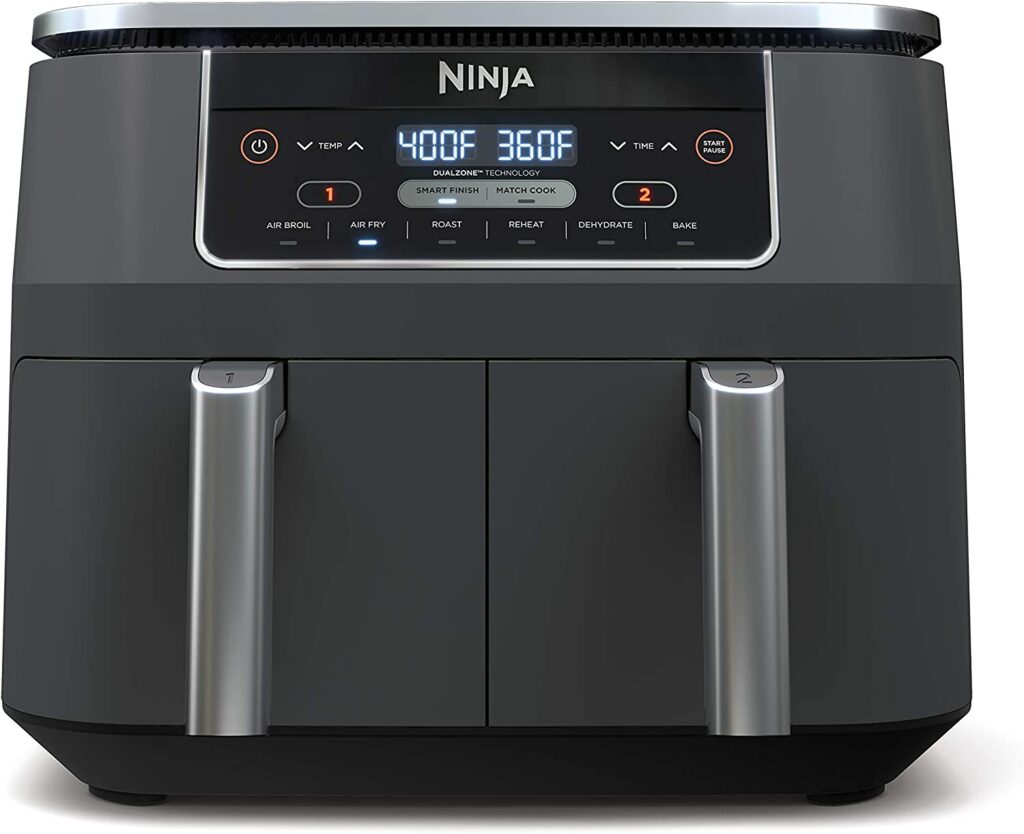
French fries are a universally beloved snack, cherished for their golden crisp exterior and tender, fluffy interior. While traditional deep-frying methods deliver indulgent results, they often involve excessive oil, prolonged cooking times, and a lingering greasy smell. Enter the air fryer: a revolutionary kitchen appliance that promises the same satisfying crunch using significantly less oil. Air fryers circulate hot air at high speeds, producing evenly cooked fries with a fraction of the fat and calories compared to deep-frying. Achieving perfectly crisp, restaurant-quality fries at home requires attention to temperature, timing, and preparation methods. This guide will walk you through every detail to ensure your homemade fries are consistently delicious.
Optimal Air Fryer Temperature To Make Fries From Potatoes In Air Fryer
The temperature you choose for air-frying fries is critical because it directly affects texture, color, and flavor. For most potato varieties, an optimal temperature range is 375°F to 400°F (190°C to 205°C). Cooking at the lower end (around 375°F) allows the fries to cook evenly inside without browning too quickly, which is ideal for thicker-cut fries. The higher end (around 400°F) promotes faster browning and crisping, perfect for thinner fries or shoestring styles.
Temperature also interacts with moisture content. Potatoes naturally contain water, which must evaporate during cooking to achieve crispness. Too low a temperature will prolong cooking and yield soggy fries, while too high a temperature may brown the exterior before the interior is fully cooked. Preheating the air fryer ensures a consistent heat environment, so the fries cook evenly and achieve a satisfying crunch.
How Long To Make Fries From Potatoes In Air Fryer
Cooking time depends largely on the thickness of your fries and the potato variety. For standard medium-cut fries (approximately ¼ inch thick), the average cooking time is 15-20 minutes at 380°F (193°C). Thinner fries may require only 12-15 minutes, while thicker fries or steak-cut fries might take 20-25 minutes.
It is crucial to shake or toss the fries halfway through cooking. This ensures all sides are exposed to circulating hot air, producing uniform browning and preventing sticking or uneven cooking. Using too short a cooking time will result in soft, undercooked fries, while excessive cooking may dry them out or cause them to burn.
How To Tell If It Is Done
Determining when your fries are perfectly cooked involves both visual and tactile cues:
- Color: Finished fries should be golden brown with slightly darker edges. A pale or yellowish fry likely needs more cooking.
- Texture: The exterior should feel crisp to the touch, while the interior remains tender and fluffy. You can gently press a fry with a fork to test softness inside.
- Aroma: A nutty, toasty scent indicates that the Maillard reaction-the chemical process responsible for browning and flavor-has occurred.
If all three cues align, your fries are done. Resist the temptation to remove them prematurely, as they will continue to crisp slightly after being removed from the air fryer.
Ingredients Needed
To make fries from potatoes in an air fryer, you’ll need minimal ingredients:
- Potatoes: Russet potatoes are preferred for their high starch content, which produces crispier fries. Yukon Gold works for a creamier texture.
- Oil: 1-2 tablespoons of vegetable, canola, or olive oil. Enough to lightly coat the fries.
- Salt: For seasoning after cooking.
- Optional seasonings: Garlic powder, paprika, black pepper, or fresh herbs like rosemary for added flavor.
How To Make Fries From Potatoes In Air Fryer
- Wash and peel (optional) the potatoes.
- Cut potatoes into uniform fries. Consistent size ensures even cooking.
- Soak the fries in cold water for 30-60 minutes. This removes excess starch, promoting crispness.
- Dry thoroughly using a clean towel; moisture will prevent proper crisping.
- Toss fries with a small amount of oil and seasonings. Ensure each fry is lightly coated.
- Preheat the air fryer to your desired temperature (375-400°F).
- Arrange fries in a single layer in the air fryer basket, avoiding overcrowding.
- Cook for 15-20 minutes, shaking halfway through. Adjust time based on thickness.
- Taste and adjust seasoning immediately after removing from the fryer.
What If I Use A Different Air Fryer Temperature?
- Lower Temperature (below 375°F): Fries may cook unevenly, with a tender interior but pale, under-browned exterior. You’ll need longer cooking times.
- Higher Temperature (above 400°F): Fries brown quickly, but there is a higher risk of burning or drying out before the inside is fully cooked. Ideal for thinner fries only.
Adjust cooking time accordingly and monitor closely when deviating from the recommended range.
What If I Use A Different Air Fryer Cooking Time?
- Shorter Time: Fries may be undercooked, soft, and pale. Tossing halfway may not fully compensate.
- Longer Time: Fries may become overly dry, hard, or burnt, especially edges.
The key is balance: time and temperature must complement each other to achieve that ideal crisp-tender texture.
When Things Go Wrong
Common pitfalls when air-frying fries:
- Soggy fries: Likely due to excess moisture or overcrowding in the basket. Pat dry and cook in batches.
- Uneven browning: May result from inconsistent fry sizes or failure to shake the basket midway.
- Burned edges: Usually caused by high temperature or extended cooking. Reduce heat slightly and check fries frequently.
- Flavorless fries: Under-seasoning or not tossing fries with oil evenly can leave fries bland.
Expert Tips
- Soak the potatoes: This removes surface starch and produces crispier fries.
- Use a light oil coating: Too much oil creates greasy fries; too little prevents browning.
- Shake halfway: Promotes even cooking and browning.
- Single layer cooking: Avoid overcrowding to ensure proper air circulation.
- Preheat the air fryer: Mimics traditional frying by hitting fries with hot air immediately.
- Experiment with thickness: Thicker fries are fluffy inside, thinner fries are crispier outside.
FAQs
What Type Of Potatoes Are Best For Making Fries In An Air Fryer?
Russet potatoes are ideal for air fryer fries due to their high starch content and low moisture, which results in crispy exteriors and fluffy interiors. Yukon Gold potatoes can also be used for a slightly creamier texture, but they may not crisp as well.
Do I Need To Peel The Potatoes Before Making Fries In An Air Fryer?
Peeling is optional. Keeping the skin on adds texture, flavor, and nutrients. If you prefer smoother fries, peel them, but be aware that unpeeled fries will have more fiber and a rustic appearance.
How Should I Cut The Potatoes For Air Fryer Fries?
Cut potatoes evenly to ensure consistent cooking. Common sizes are matchstick-style (1/4 inch thick) or thicker steak-style fries. Uniform thickness prevents some pieces from overcooking while others remain undercooked.
Should I Soak The Potato Slices Before Air Frying?
Yes, soaking the cut potatoes in cold water for 30 minutes to an hour removes excess starch, which helps fries become crispier. After soaking, drain and pat them completely dry before seasoning and air frying.
What Temperature And Cooking Time Should I Use For Air Fryer Fries?
Preheat the air fryer to 180-200°C (350-400°F). Cook fries in a single layer for 15-25 minutes, shaking or tossing halfway through. Thinner fries require less time, while thicker fries may need a few extra minutes.
Do I Need To Use Oil When Making Fries In An Air Fryer?
A small amount of oil-about 1-2 teaspoons per potato-is recommended to achieve a crispy texture and golden color. Use a neutral oil with a high smoke point, such as vegetable or canola oil, and toss the fries evenly before cooking.
How Can I Make My Air Fryer Fries Extra Crispy?
To maximize crispiness, ensure the fries are dry before cooking, avoid overcrowding the basket, shake the basket halfway through cooking, and consider a light dusting of cornstarch or potato starch on the fries before adding oil. Cooking in smaller batches often yields better results.