
How To Roast Garlic In Air Fryer Without Foil [FULL GUIDE]
Recommended Equipments:
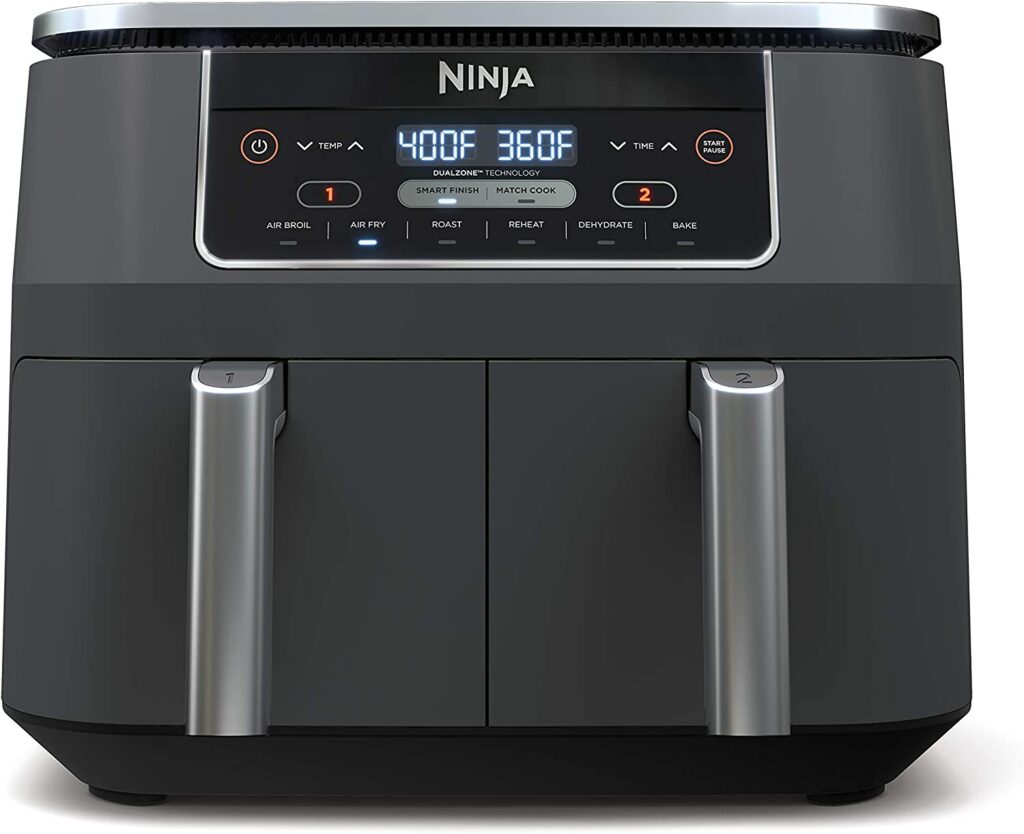
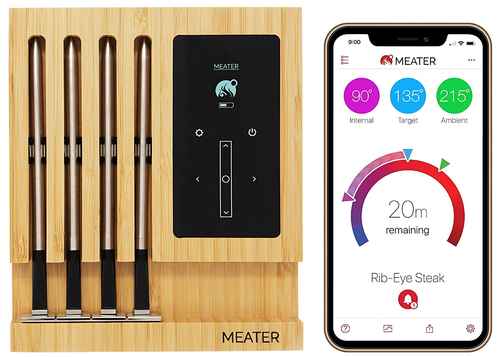
Roasting garlic is a transformative culinary technique that elevates this humble ingredient from pungent and sharp to sweet, nutty, and caramelized. Traditionally, roasting garlic involves wrapping bulbs in foil and baking them slowly in an oven. However, air fryers, with their rapid hot-air circulation, offer a faster, convenient, and equally effective method-no foil required. Roasting garlic in an air fryer allows for a crisp, slightly caramelized exterior while maintaining a soft, buttery interior. The result is a spreadable, aromatic delicacy perfect for enhancing pasta, soups, roasted vegetables, or simply spreading on warm bread. Understanding the nuances of temperature, time, and method ensures you can consistently achieve perfectly roasted garlic without the hassle of foil.
Optimal Air Fryer Temperature To Roast Garlic In Air Fryer Without Foil
Temperature control is crucial when roasting garlic in an air fryer. Unlike ovens that heat more evenly, air fryers cook through intense circulating hot air, which can quickly caramelize or burn garlic if not carefully monitored. The ideal temperature range is 320°F to 360°F (160°C to 182°C). At this moderate heat, the garlic cloves slowly release their natural sugars, developing a sweet, rich flavor without drying out. Temperatures above 370°F risk charring the cloves on the outside while leaving the centers slightly undercooked. Conversely, lower temperatures may take too long, causing the garlic to dry rather than roast. Maintaining this balance ensures a creamy, golden result.
How Long To Roast Garlic In Air Fryer Without Foil
Roasting garlic in an air fryer is faster than the oven, but timing is just as critical as temperature. For whole, unpeeled bulbs, the process generally takes 18 to 25 minutes, depending on bulb size and air fryer model. Smaller bulbs may be ready in closer to 15 minutes, while larger bulbs might need the full 25. For individual cloves, the roasting time decreases to 10-15 minutes. It’s best to check halfway through, shaking the basket gently to allow even airflow around the bulbs. Remember, garlic continues to cook slightly after being removed from heat, so aiming for a just-golden stage is ideal.
How To Tell If It Is Done
Perfectly roasted garlic is soft, aromatic, and slightly caramelized at the tips. The cloves should be easily pierced with a fork or knife and may even squish slightly when pressed. Visually, the outer skins turn a deep golden brown, and the interior cloves become soft, almost buttery. If the garlic still feels firm or resists pressure, it needs more time. Conversely, if it has dark brown or black spots, it’s overcooked and may taste bitter. Smell is also a reliable indicator: roasted garlic emits a sweet, nutty fragrance rather than a raw pungent aroma.
Ingredients Needed
- Whole garlic bulbs (1-4 bulbs depending on basket size)
- Olive oil (optional, 1-2 teaspoons per bulb to enhance caramelization)
- Salt (optional, a light sprinkle)
Optional additions: fresh herbs like rosemary or thyme can be added to the basket to impart subtle aromatic notes.
How To Roast Garlic In Air Fryer Without Foil
- Prepare the Bulbs: Remove any loose outer layers of garlic skin, leaving the bulbs intact. Trim the top of the bulbs to expose the tips of the cloves if desired, which accelerates caramelization.
- Optional Seasoning: Lightly drizzle olive oil over the exposed tips. This is optional but encourages even browning and intensifies flavor.
- Preheat the Air Fryer: Set your air fryer to 340°F (171°C) for optimal balance of roasting speed and even cooking.
- Arrange Garlic: Place garlic bulbs directly in the air fryer basket. Ensure they aren’t crowded, allowing hot air to circulate freely around each bulb.
- Roast: Cook for 18-25 minutes, checking at the 15-minute mark. Shake or turn bulbs if necessary for even roasting.
- Cool and Serve: Remove bulbs carefully. Let them cool slightly, then squeeze or scoop the soft cloves for use.
What If I Use A Different Air Fryer Temperature?
Altering the air fryer temperature affects both texture and flavor:
- Lower than 320°F: Garlic will cook more slowly, potentially drying out without reaching caramelization. Cloves may remain underdeveloped and lack sweetness.
- Above 360°F: High heat speeds caramelization but increases the risk of burning the tips. The interior may not soften evenly, leaving a tough, undercooked core.
- Tip: If adjusting temperature, shorten or extend cooking time proportionally, and monitor closely.
What If I Use A Different Air Fryer Cooking Time?
Cooking time adjustments directly impact the garlic’s consistency:
- Shorter than 18 minutes: Garlic may be too firm, lacking the characteristic buttery softness.
- Longer than 25 minutes: Cloves risk becoming dry or bitter.
- Tip: Air fryer models vary, so always use visual and tactile cues rather than relying solely on the clock.
When Things Go Wrong
Even with careful attention, roasting garlic in an air fryer can occasionally go awry:
- Garlic burns: Reduce temperature and check more frequently. Brush exposed tips lightly with olive oil to prevent burning.
- Garlic remains firm: Increase roasting time slightly or ensure the bulb isn’t too tightly packed in the basket.
- Uneven cooking: Shake or rotate the bulbs mid-way to allow hot air to reach all surfaces.
Mistakes are easily corrected, and even slightly over-roasted garlic can be mashed into sauces or soups to impart a rich, smoky flavor.
Expert Tips
- Don’t Peel Completely: Keep outer layers intact to protect the cloves from direct heat, which promotes even roasting.
- Cut the Tops: Exposing the tips of the cloves accelerates caramelization without requiring foil.
- Use Olive Oil Sparingly: A thin drizzle enhances browning without causing the cloves to become greasy.
- Batch Size Matters: Avoid overcrowding the basket; crowded bulbs roast unevenly.
- Check Early: Every air fryer model heats differently. Start checking for doneness at the earliest recommended time to prevent overcooking.
- Storage: Roasted garlic can be stored in an airtight container in the refrigerator for up to 1 week or frozen for several months.
FAQs
Can You Roast Garlic In An Air Fryer Without Using Foil?
Yes. You can roast garlic in an air fryer without foil by slicing the top off the garlic bulb, adding oil and seasoning, and placing it directly in a small oven-safe ramekin or on parchment-safe air-fryer paper.
What Temperature Should I Use To Roast Garlic Without Foil In An Air Fryer?
Most air fryers roast garlic effectively at 350°F (175°C). This temperature allows the cloves to soften and caramelize without burning.
How Long Does It Take To Roast Garlic In An Air Fryer Without Foil?
Roasting typically takes 20-25 minutes, depending on the size of the garlic bulb and the power of your air fryer. Large bulbs or lower-wattage models may require a few extra minutes.
How Do I Keep The Garlic From Drying Out Without Foil?
Coat the exposed cloves generously with olive oil and place the bulb in a snug heat-safe dish. This traps moisture and prevents the garlic from drying out while it roasts.
Is Parchment Paper Safe To Use When Roasting Garlic In An Air Fryer?
Yes, as long as the parchment paper is labeled air-fryer safe. It should be weighed down by the garlic bulb to prevent it from blowing into the heating element.
Can I Roast Individual Garlic Cloves Instead Of A Whole Bulb?
Yes. Peel individual cloves, toss them in oil, and place them in a small heat-safe dish. They usually roast faster than whole bulbs and may be done in 10-15 minutes.
How Do I Store Roasted Garlic Made Without Foil?
Allow the garlic to cool, then squeeze out the softened cloves. Store them in an airtight container in the refrigerator for up to one week or submerge them in oil and refrigerate for up to three days for best food safety.