
How To Dehydrate Apple In Air Fryer [FULL GUIDE]
Recommended Equipments:
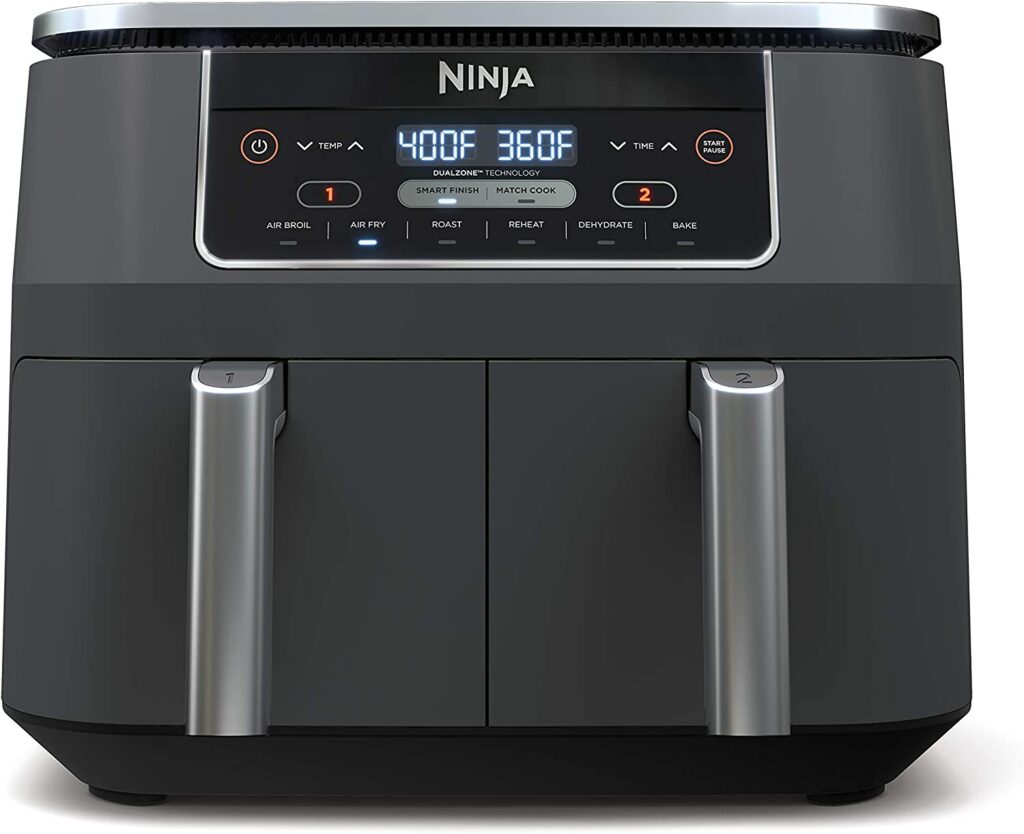
Dehydrating apples in an air fryer is one of the simplest ways to turn fresh fruit into a wholesome, shelf-stable snack with intense natural flavor. While traditional dehydrators rely on long, low heating cycles, modern air fryers equipped with dehydrate functions or low-temperature settings can accomplish the same results in a fraction of the time. The process gently removes moisture from apple slices while preserving their nutrients, natural sweetness, and subtle aroma. When done properly, the result is tender-chewy or crisp apple chips that last for weeks and require no added sugar or preservatives.
Whether you want a healthy lunchbox option, a hiking snack, a topping for oatmeal and salads, or simply a pantry-friendly treat, dehydrated apples are a practical and rewarding project for home cooks. This guide explores the ideal temperature, the exact timing, troubleshooting advice, and expert tips to help you achieve perfect dehydrated apples using any style of air fryer.
Optimal Air Fryer Temperature To Dehydrate Apple In Air Fryer
The optimal temperature for dehydrating apples in an air fryer is 135°F (57°C). This is the same level used in dedicated food dehydrators because it slowly removes moisture without cooking the fruit.
Why 135°F works best:
- It allows moisture to evaporate gradually, preventing the apples from browning or becoming rubbery.
- It preserves more nutrients because the heat never rises high enough to compromise vitamins.
- It creates a consistent texture, whether you prefer soft-chewy slices or crisp chips.
- It prevents caramelization, which can occur at higher temperatures and alter flavor.
If your air fryer has a dehydrate mode, it likely defaults to 130-140°F, which is ideal. If your model does not go that low, adjustments are provided later in this guide.
How Long To Dehydrate Apple In Air Fryer
At 135°F (57°C), dehydrating apples typically takes:
6 to 8 hours for soft-chewy slices
8 to 10 hours for crisp apple chips
However, the exact time varies based on:
- Slice thickness
- Apple variety
- Moisture content
- Humidity in your kitchen
- Your air fryer’s airflow strength
Thin slices (⅛ inch) dry significantly faster, while thicker slices (¼ inch or more) can take longer.
How To Tell If It Is Done
Determining when dehydrated apples are finished is more reliable than using a timer. Here are the key indicators:
Soft-Chewy Finish
- Slices bend easily without breaking.
- No visible moisture beads remain.
- The surface feels dry but pliable.
- When pinched, no juice seeps out.
Crisp Finish
- A slice snaps cleanly when bent.
- No softness remains at the center.
- The slice feels firm and dry throughout.
The Moisture Test
Remove one slice, let it cool for 5 minutes, and then test the texture. Hot apples feel softer, so testing while warm leads to inaccurate results.
Ingredients Needed
You only need a few simple ingredients:
- Fresh apples of your choice (Honeycrisp, Fuji, Gala, or Granny Smith work best)
- Optional: lemon juice or citric acid (prevents browning)
- Optional: cinnamon, nutmeg, or pumpkin pie spice
There is no need for sugar or oil, unless you prefer a sweeter or lightly glazed finish.
How To Dehydrate Apples In An Air Fryer
Prepare The Apples
- Wash and dry thoroughly.
- Peel if preferred, though the peel helps retain structure.
- Slice apples evenly into ⅛- to ¼-inch slices.
- Remove seeds and core as needed.
Prevent Browning (Optional But Recommended)
Mix:
- 1 cup water
- 1 tablespoon lemon juice
Briefly dip the slices or mist them using a spray bottle.
Season If Desired
Lightly sprinkle cinnamon or other spices on both sides.
Arrange In The Air Fryer
- Place slices in a single layer with no overlapping.
- Use racks or shelves if available for larger batches.
Dehydrate
- Set the air fryer to 135°F (57°C).
- Dry for 6-10 hours, checking every 60-90 minutes after the first 4 hours.
Cool And Condition
Once dried:
- Let slices cool completely.
- Place dried apples in a loosely closed jar for 3-4 days.
- Shake daily and check for moisture on the glass, which indicates uneven drying.
This conditioning step ensures long-term storage safety.
What If I Use A Different Air Fryer Temperature?
Below 135°F (ex. 120°F)
- Apples will dry more slowly, potentially taking 10-14 hours.
- Texture may become softer and more pliable.
- Risk of browning decreases, but drying may be uneven.
Above 135°F (ex. 150-170°F)
- Apples begin to cook instead of dehydrate.
- Edges may harden while centers remain soft (case hardening).
- Flavor shifts toward caramelization.
- Risk of burning thin slices.
At 175-200°F
This is no longer dehydration.
- Apples may become overly crisp or even scorched.
- Moisture trapped inside can cause spoilage during storage.
What If I Use A Different Air Fryer Cooking Time?
Too Short
- Apples will feel tacky or damp.
- Residual moisture can cause mold during storage.
- Texture will be inconsistent.
Too Long
- Slices can become brittle, darkened, or overly crisp.
- Flavor becomes slightly toasted or caramelized.
- Thin slices may crack or crumble.
To avoid errors, perform the cool-down test described earlier.
When Things Go Wrong
Here are common issues and how to correct them:
Apples Turn Brown
Cause: No acid treatment or too high temperature
Fix: Use lemon water and reduce heat.
Rubbery Texture
Cause: Under-dehydration or thick slices
Fix: Slice thinner and extend drying time.
Hard Edges, Soft Centers
Cause: Temperature too high (case hardening)
Fix: Lower temperature and increase airflow.
Apples Stick To The Basket
Cause: Overlapping slices or insufficient airflow
Fix: Use parchment liners with holes or racks.
Uneven Drying
Cause: Different slice thicknesses or overcrowding
Fix: Rotate racks and aim for uniform slicing.
Expert Tips
- Choose apples that are firm and ripe, not overripe or mushy.
- A mandoline slicer produces the most consistent results.
- Always allow apples to cool before testing texture.
- Store dried apples in airtight glass jars, not plastic bags.
- If storing for months, keep jars in a cool, dark area.
- Avoid seasoning heavily; spices intensify during dehydration.
- Shake the air fryer basket or rotate racks for even drying.
- If your air fryer lacks a low setting, prop the lid open slightly to reduce heat buildup.
- For crisp chips, slice apples extremely thin (spoon-flexible).
FAQs
What Type Of Apples Are Best For Dehydrating In An Air Fryer?
Firm and slightly tart apples, such as Honeycrisp, Fuji, or Granny Smith, are ideal for air fryer dehydration. These varieties retain their texture and flavor well during the drying process, whereas softer apples may become mushy.
Do I Need To Peel And Core The Apples Before Dehydrating?
Peeling is optional and depends on personal preference, as apple skin contains nutrients and helps maintain shape. However, coring is recommended to remove seeds and the tough core, which can affect texture and make the slices less uniform.
How Should Apples Be Sliced For Air Fryer Dehydration?
Slice apples evenly, ideally between 1/8 to 1/4 inch thick. Uniform thickness ensures consistent drying and prevents some slices from overcooking while others remain moist. A mandoline slicer can help achieve consistent results.
Do I Need To Treat The Apple Slices To Prevent Browning?
Yes, apple slices can be soaked in a solution of lemon juice and water (1 tablespoon lemon juice per cup of water) for 5-10 minutes. This prevents enzymatic browning and preserves a lighter color and better flavor during dehydration.
What Temperature And Time Are Recommended For Dehydrating Apples In An Air Fryer?
Set the air fryer to a low temperature, typically 135-140°F (57-60°C). Dehydration can take anywhere from 1.5 to 3 hours, depending on slice thickness and apple variety. It’s important to check periodically and shake the basket to ensure even drying.
How Do I Know When The Apples Are Fully Dehydrated?
Fully dehydrated apples should be dry, slightly leathery, and pliable but not sticky. They should break rather than bend if pressed too hard. Moist spots indicate they need more drying time.
How Should Dehydrated Apples Be Stored For Maximum Shelf Life?
Store dehydrated apple slices in an airtight container in a cool, dark, and dry location. Properly dehydrated and stored apples can last for several months. For extended shelf life, vacuum-sealed bags or refrigeration can be used.