
How To Cook Squash In Air Fryer [FULL GUIDE]
Recommended Equipments:
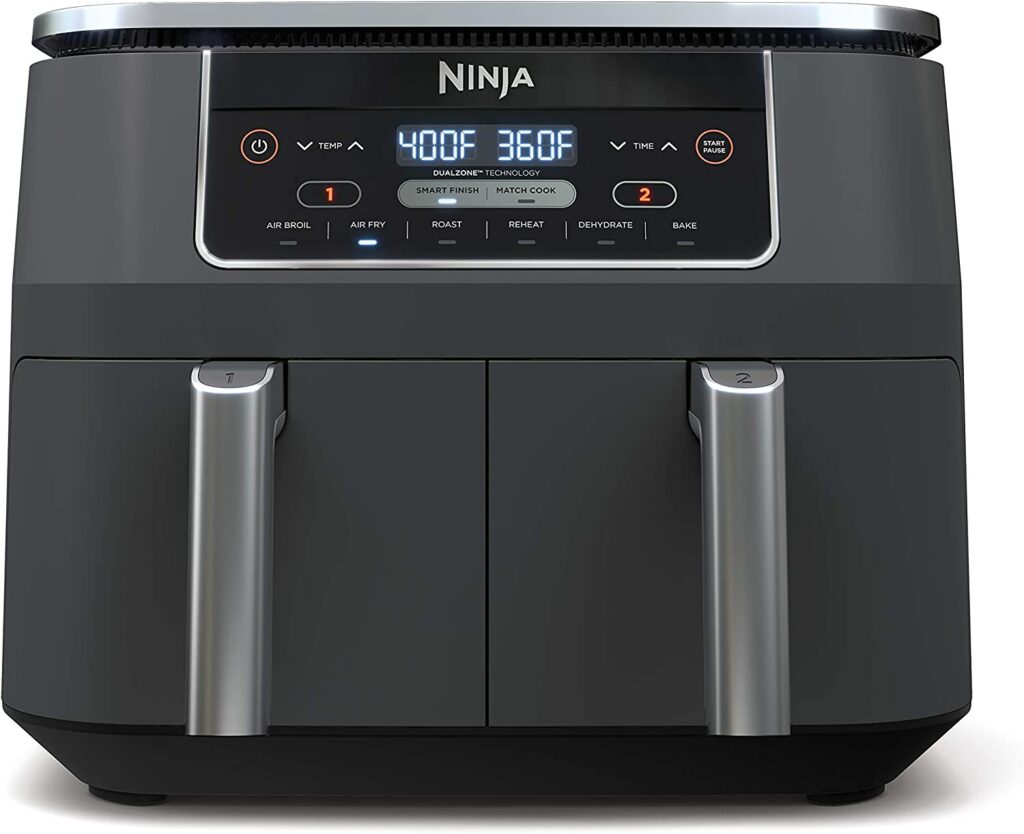
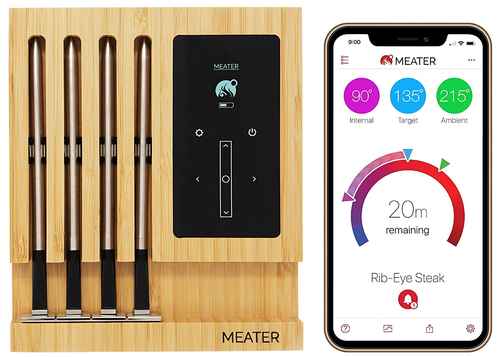
Cooking squash in an air fryer is a game-changer for anyone looking to combine speed, convenience, and flavor in one effortless process. Squash-whether it’s zucchini, yellow squash, or delicately sweet butternut-transforms beautifully in the circulating hot air of an air fryer, emerging tender yet slightly caramelized at the edges. Unlike traditional oven roasting, the air fryer achieves a crispy exterior while retaining a moist interior, all in a fraction of the time. Beyond texture, air frying enhances the natural sweetness and earthy nuances of squash without requiring excessive oil, making it a lighter yet flavorful alternative to frying or roasting. Understanding the right temperature, timing, and technique is key to unlocking this perfect balance.
Optimal Air Fryer Temperature To Cook Squash In Air Fryer
Temperature control is the backbone of air fryer cooking, and squash is no exception. For most squash varieties, an ideal temperature range is 375°F to 400°F (190°C-204°C).
- Lower end (around 375°F / 190°C): Encourages even cooking, allowing thicker slices to soften without over-browning. This temperature is ideal for delicate squash varieties or if you prefer a more tender, less caramelized finish.
- Higher end (around 400°F / 204°C): Promotes browning and a slightly crisp exterior. This is perfect for smaller, thinner slices or if you desire that signature roasted edge.
Maintaining the right temperature ensures the squash cooks evenly, prevents burning, and retains natural moisture. Because air fryers vary in airflow and wattage, slight adjustments may be necessary.
How Long To Cook Squash In Air Fryer
Cooking time largely depends on the thickness of your squash slices and the air fryer model. As a general guide:
- Thin slices (1/4 inch or 0.6 cm): 8-10 minutes at 400°F (204°C)
- Medium slices (1/2 inch or 1.3 cm): 10-12 minutes at 400°F (204°C)
- Thicker chunks or half-moon cuts: 12-15 minutes at 375°F (190°C)
Halfway through the cooking time, shaking or flipping the squash pieces ensures even browning and prevents sticking. Overcrowding the basket can increase cooking time, so aim for a single layer when possible.
How To Tell If It Is Done
Squash is done when it reaches the ideal balance of tenderness and slight caramelization. Key indicators include:
- Texture test: A fork should pierce the squash easily but the piece should still hold its shape. Overly mushy squash indicates overcooking.
- Color: The edges should have a light golden brown hue without being blackened.
- Aroma: You’ll notice a rich, slightly sweet, roasted aroma emerging from the air fryer basket.
If in doubt, remove one piece and taste a small bite. Air fryers cook quickly, so checking early is better than overcooking.
Ingredients Needed
To make perfectly air-fried squash, you will need:
- 2 medium squash (zucchini, yellow squash, or a combination)
- 1-2 tablespoons olive oil (or avocado/canola oil for a neutral flavor)
- Salt, to taste
- Freshly ground black pepper, to taste
- Optional seasonings: garlic powder, smoked paprika, Italian herbs, or chili flakes for added flavor
These ingredients enhance the natural sweetness of the squash while creating a lightly crisp exterior.
How To Cook Squash In Air Fryer
- Prepare the squash: Wash and trim the ends. Cut into uniform slices, half-moons, or cubes depending on preference.
- Season: Toss the squash pieces in olive oil and season with salt, pepper, and optional spices. Ensure all pieces are lightly coated.
- Preheat the air fryer: Set it to 375°F-400°F (190°C-204°C) for 3-5 minutes. Preheating ensures instant cooking and better caramelization.
- Arrange in the basket: Place the squash in a single layer, avoiding overcrowding. Crowding leads to uneven cooking.
- Cook: Air fry for 8-15 minutes depending on slice thickness, shaking or flipping halfway through.
- Check doneness: Use a fork to test tenderness and inspect for golden edges.
- Serve: Remove from the basket, optionally sprinkle with fresh herbs, and enjoy immediately for best texture.
What If I Use A Different Air Fryer Temperature?
- Lower than 375°F (190°C): Cooking will be slower and the squash may turn soft without browning, losing some of the flavor complexity.
- Higher than 400°F (204°C): Squash may crisp too quickly on the outside while remaining undercooked inside. Extra vigilance is required to prevent burning.
The key is balancing speed with even cooking. Adjusting time can compensate for minor temperature changes.
What If I Use A Different Air Fryer Cooking Time?
- Shorter cooking time: Squash may be undercooked and firm in the center. It will lack the roasted flavor and slightly caramelized texture.
- Longer cooking time: Squash can become mushy or dry out. Thinner slices will likely burn before thick pieces are fully cooked.
Frequent checks are the safest way to ensure perfection, as air fryer models vary in heat distribution.
When Things Go Wrong
Common issues and fixes include:
- Squash is soggy: Likely overcrowded or undercooked at low temperature. Solution: cook in smaller batches and increase temperature slightly.
- Edges burn before the center cooks: Slices are too thin or temperature too high. Reduce temperature or slice more uniformly.
- Uneven cooking: Air fryer basket overcrowded. Shake or flip halfway, or cook in batches.
Expert Tips
- Uniform slicing: Ensures even cooking and prevents some pieces from burning while others remain raw.
- Dry the squash: Patting squash dry removes excess moisture for better browning.
- Use minimal oil: Too much oil can lead to soggy squash, but a light coating promotes caramelization.
- Season creatively: Sprinkle nutritional yeast, Parmesan, or smoked paprika for enhanced flavor.
- Shake halfway: Flipping or shaking prevents sticking and promotes even crisping.
FAQs
What Types Of Squash Can I Cook In An Air Fryer?
Most varieties of squash can be cooked in an air fryer, including butternut squash, zucchini, yellow squash, acorn squash, and delicata squash. Harder squashes like butternut and acorn may require peeling and cubing, while softer varieties like zucchini can be cooked with minimal preparation.
How Should I Prepare Squash Before Air Frying?
Preparation depends on the type of squash. Generally, you should wash the squash thoroughly, peel it if needed, and cut it into uniform pieces to ensure even cooking. You can also season the squash with oil, salt, pepper, or spices before placing it in the air fryer.
What Temperature Should I Set My Air Fryer For Squash?
The ideal temperature for cooking squash in an air fryer is typically between 375°F and 400°F (190°C-200°C). Harder squashes may need the higher end of this range, while softer varieties like zucchini cook well at slightly lower temperatures to avoid burning.
How Long Does It Take To Cook Squash In An Air Fryer?
Cooking time depends on the size and type of squash pieces. Small cubes of butternut or acorn squash generally take 15-20 minutes, while zucchini slices or wedges may take 10-15 minutes. It is recommended to shake or stir the squash halfway through cooking to ensure even browning.
Do I Need To Add Oil When Air Frying Squash?
Adding a small amount of oil helps the squash develop a golden-brown, crispy exterior and enhances flavor. Typically, 1-2 teaspoons of oil per squash is sufficient. For a lower-fat option, you can cook the squash without oil, though it may be softer and less crispy.
Can I Cook Frozen Squash In An Air Fryer?
Yes, frozen squash can be cooked in an air fryer, but it may require a slightly longer cooking time. It is best to toss the frozen squash with a little oil and spread it in a single layer for even cooking. Check and stir halfway through to prevent clumping or uneven cooking.
How Do I Know When Squash Is Done In The Air Fryer?
Squash is done when it is tender and easily pierced with a fork, with a golden-brown exterior if cooked with oil. For softer squash like zucchini, it should be tender but not mushy. Harder squash, like butternut, should be soft inside while maintaining a lightly crisp exterior.