
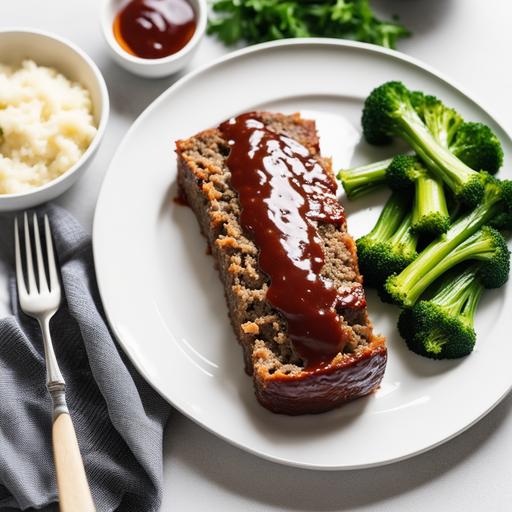
How To Cook Meatloaf In Air Fryer [FULL GUIDE]
Recommended Equipments:
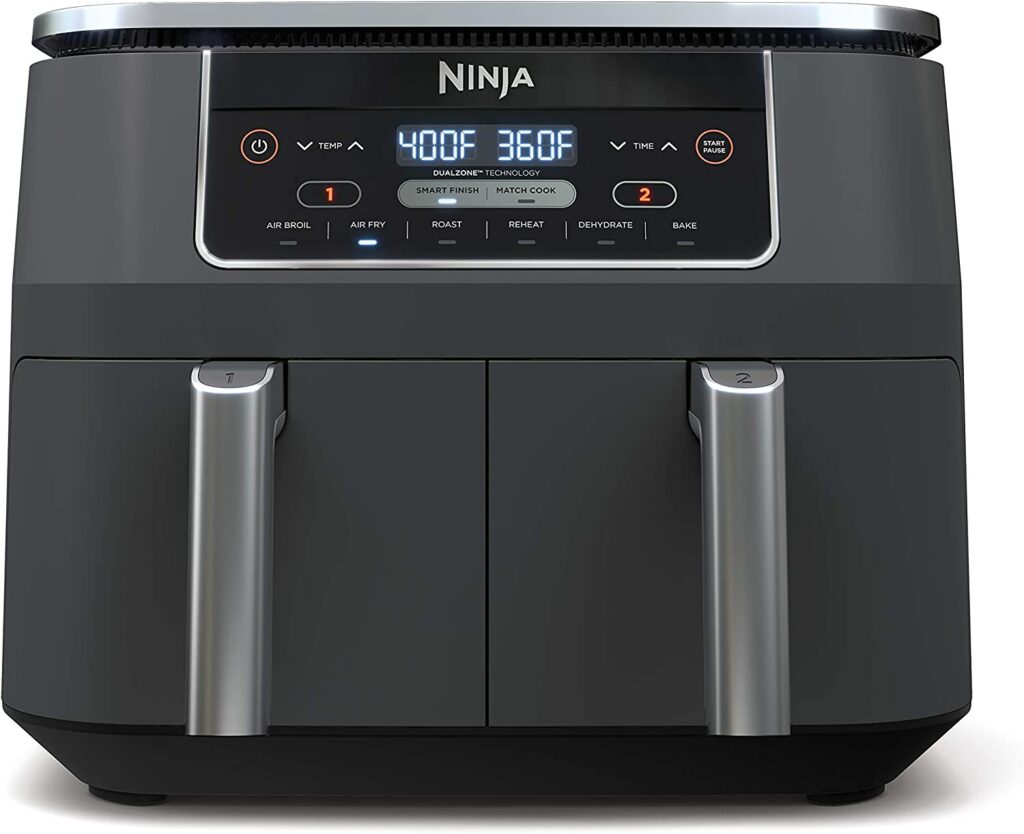
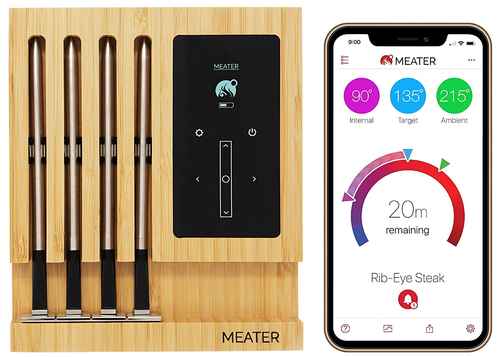
Meatloaf, a comforting classic of home-cooked cuisine, is often associated with long cooking times, ovens preheating, and the inevitable anxiety of overcooked or undercooked meat. Enter the air fryer-a kitchen marvel that has revolutionized the way we approach traditional dishes. With its rapid hot-air circulation, the air fryer promises a perfectly cooked meatloaf that is moist inside, slightly crisp on the edges, and ready in a fraction of the time it takes in a conventional oven. This guide delves deep into the science, timing, and techniques behind air frying meatloaf, ensuring a foolproof culinary experience whether you’re a seasoned cook or experimenting for the first time.
Optimal Air Fryer Temperature To Cook Meatloaf In Air Fryer
Temperature is critical when air frying meatloaf. Unlike ovens, air fryers use a concentrated airflow system that can intensify heat exposure, meaning the wrong temperature can easily lead to dryness or uneven cooking. The optimal temperature for air frying meatloaf generally falls between 350°F to 375°F (175°C to 190°C).
At 350°F, the meatloaf cooks gently, allowing the interior to retain moisture while the exterior forms a subtle, caramelized crust. This lower temperature is ideal for larger or denser meatloaves, as it gives the heat time to penetrate thoroughly without overcooking the edges.
At 375°F, the heat is slightly more aggressive, accelerating the Maillard reaction-the chemical process responsible for browning and flavor development. This temperature works well for smaller loaves or when you want a more pronounced crispy exterior. Going higher than 380°F can risk burning the glaze or crust before the interior reaches a safe temperature.
How Long To Cook Meatloaf In Air Fryer
Cooking time depends on the size and shape of your meatloaf. For a standard 1 to 1.5-pound loaf:
- At 350°F: Cook for approximately 25-30 minutes.
- At 375°F: Cook for roughly 20-25 minutes.
Smaller, compact loaves will naturally require less time, while taller or denser loaves might need a few additional minutes. The air fryer’s rapid airflow reduces overall cooking time compared to a conventional oven, but it’s essential not to rush the process; meatloaf must reach an internal temperature sufficient to ensure safety and tenderness.
How To Tell If It Is Done
The most reliable method is a meat thermometer. Insert it into the center of the meatloaf:
- Beef, pork, or mixed meatloaf: 160°F (71°C)
- Turkey or chicken meatloaf: 165°F (74°C)
Other indicators include:
- The juices should run clear, not pink.
- The top should be browned and slightly firm to touch.
- The loaf should hold its shape when gently pressed.
Overreliance on timing alone can be misleading due to variations in air fryer models, meat density, and shape.
Ingredients Needed
For a classic air fryer meatloaf, you will need:
- 1 lb ground beef (or a mix of beef, pork, and veal)
- 1/2 cup breadcrumbs
- 1/4 cup milk
- 1 egg
- 1 small onion, finely diced
- 2 cloves garlic, minced
- 1/4 cup ketchup (plus extra for topping)
- 1 tablespoon Worcestershire sauce
- 1 teaspoon salt
- 1/2 teaspoon black pepper
- 1/2 teaspoon dried thyme or Italian seasoning
- Optional: diced bell peppers, grated carrot, or chopped parsley for added flavor and moisture
How To Cook Meatloaf In Air Fryer
- Prepare the meat mixture: Combine all ingredients in a large bowl. Mix until just incorporated; overmixing can lead to a dense loaf.
- Shape the loaf: Form the mixture into a compact loaf that fits comfortably inside your air fryer basket. Avoid overly tall shapes; a lower profile ensures even cooking.
- Preheat the air fryer: Preheating ensures the Maillard reaction begins immediately, giving your loaf a golden crust. Set it to 350°F.
- Cook the meatloaf: Place the loaf in the air fryer basket. Cook at 350°F for 25-30 minutes, or until the internal temperature reaches 160°F.
- Add topping (optional): Brush with ketchup or a glaze during the last 5 minutes to achieve a caramelized finish without burning.
- Rest before slicing: Allow the meatloaf to rest for 5-10 minutes. This helps the juices redistribute, keeping each slice moist and tender.
What If I Use A Different Air Fryer Temperature?
- Lower temperature (<350°F): Cooking will take longer, but the loaf will be more uniformly moist. Edges may not brown as nicely.
- Higher temperature (>375°F): Cooking is faster, and the exterior crisps up quickly, but the interior risks being undercooked if not monitored carefully. Always rely on internal temperature rather than time alone.
What If I Use A Different Air Fryer Cooking Time?
Adjusting time without changing temperature can dramatically affect texture:
- Shorter time: The exterior may look done while the center remains raw. Always check with a thermometer.
- Longer time: Meatloaf can dry out and toughen, even at the right temperature. Resting can partially offset dryness but won’t fully reverse overcooking.
When Things Go Wrong
- Meatloaf is dry: Likely overcooked or too dense. Mix in extra moisture next time (milk, grated vegetables, or eggs).
- Meatloaf is undercooked: Increase cooking time and check thickness; ensure uniform loaf shape.
- Edges burn while center is raw: Lower the temperature and possibly tent with foil or use a smaller loaf shape.
- Meatloaf falls apart: Ingredients weren’t bound well-consider adding an extra egg or breadcrumbs.
Expert Tips
- Uniform shape matters: A compact, evenly shaped loaf cooks more evenly in the air fryer.
- Use a meat thermometer: Don’t rely on guesswork; temperature ensures safety and ideal texture.
- Add moisture-rich ingredients: Grated vegetables, ketchup, or milk keep the loaf tender.
- Glazing technique: Apply sauce in the last 5 minutes to avoid burning and maximize caramelization.
- Avoid overcrowding: Air must circulate freely; cook one loaf at a time or use a larger basket.
- Let it rest: Slicing immediately releases juices, leading to dryness.
FAQs
Can I Cook A Whole Meatloaf In An Air Fryer?
Yes, you can cook a whole meatloaf in an air fryer, but the size of the meatloaf must fit comfortably inside the air fryer basket or pan. It’s important to leave space around the meatloaf for proper air circulation to ensure even cooking.
What Temperature Should I Set My Air Fryer To For Meatloaf?
Most recipes recommend cooking meatloaf in an air fryer at 350°F (175°C). Cooking at this temperature allows the meatloaf to cook evenly without drying out the exterior while ensuring the inside reaches a safe temperature.
How Long Does It Take To Cook Meatloaf In An Air Fryer?
Cooking time typically ranges from 25 to 40 minutes, depending on the size and thickness of the meatloaf. It is recommended to check the internal temperature with a meat thermometer; the meatloaf is fully cooked when it reaches 160°F (71°C).
Do I Need To Cover The Meatloaf In The Air Fryer?
Covering the meatloaf is optional. If you prefer a softer top, you can loosely cover it with foil. However, leaving it uncovered allows the exterior to develop a slightly crisp crust, which is one of the advantages of air frying.
Should I Preheat The Air Fryer Before Cooking Meatloaf?
Preheating the air fryer is recommended for even cooking. Preheat the air fryer for 3-5 minutes at the desired cooking temperature before placing the meatloaf inside. This helps achieve a consistent texture and prevents the meatloaf from sticking to the basket.
Can I Use Frozen Meatloaf In An Air Fryer?
Yes, you can cook frozen meatloaf in an air fryer, but it will require additional cooking time. It’s best to thaw the meatloaf partially to ensure even cooking. Increase the cooking time by 10-15 minutes and check the internal temperature to ensure it reaches 160°F (71°C).
How Do I Prevent My Meatloaf From Drying Out In The Air Fryer?
To prevent dryness, use a meat mixture that includes moisture-retaining ingredients such as eggs, breadcrumbs soaked in milk, or grated vegetables. Avoid overcooking and check the internal temperature frequently. Additionally, brushing the meatloaf with a glaze or a small amount of oil can help retain moisture.