
How To Cook Scrambled Eggs In Air Fryer [FULL GUIDE]
Recommended Equipments:
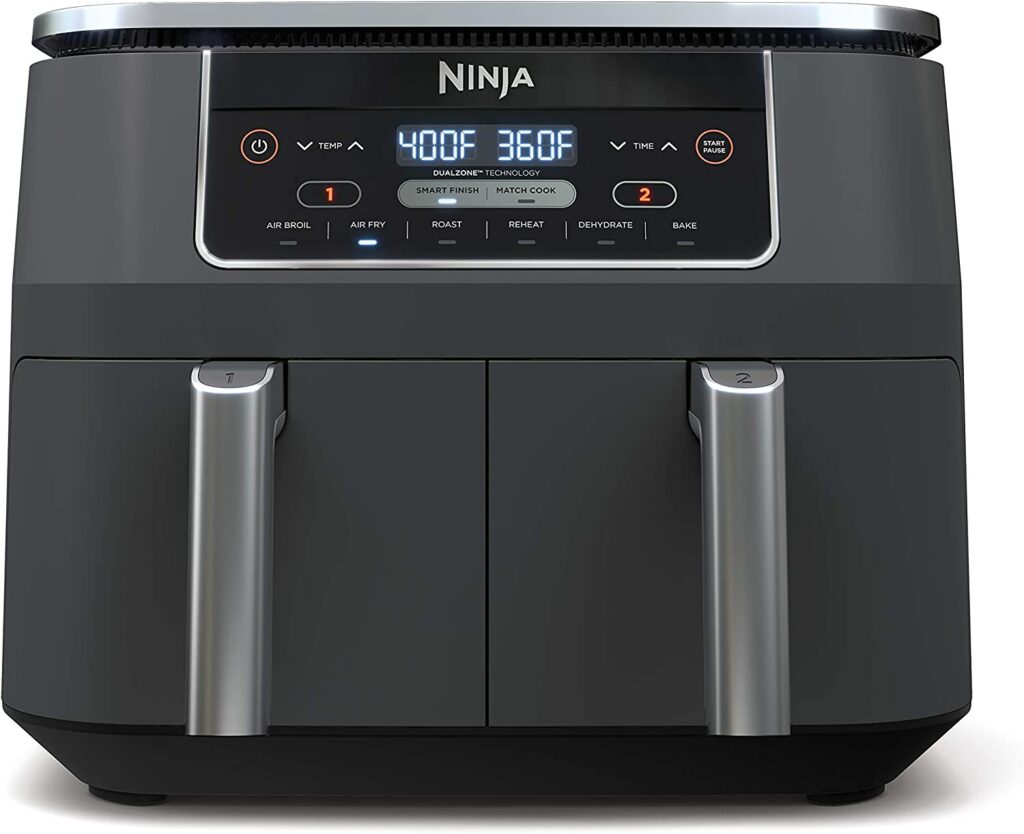
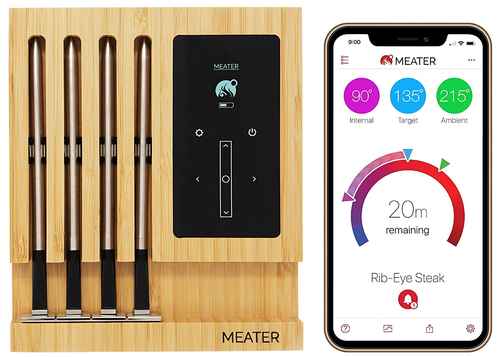
Scrambled eggs are a breakfast staple, beloved for their versatility, creamy texture, and quick preparation. Traditionally cooked on the stovetop, they can be elevated with an air fryer-a modern kitchen appliance that promises efficiency, even cooking, and minimal cleanup. Cooking scrambled eggs in an air fryer may initially seem unconventional, but the method offers distinct advantages: consistent heat distribution, the ability to cook without excessive oil or butter, and a hands-off approach that frees you to prepare other parts of your meal. Understanding the nuances of air fryer cooking ensures you achieve soft, fluffy eggs without overcooking or drying them out.
Optimal Air Fryer Temperature To Cook Scrambled Eggs In Air Fryer
Temperature control is critical when cooking scrambled eggs in an air fryer because eggs are highly sensitive to heat. For the most tender and creamy results, the optimal temperature is 300°F (150°C). This moderate heat ensures the eggs cook evenly without forming rubbery textures or overly browned surfaces. Some air fryers may have hot spots or uneven heating patterns, so sticking close to this moderate temperature prevents overcooking and maintains the delicate structure of the eggs.
Cooking at higher temperatures, such as 350°F or 375°F, can speed up the process but often results in drier, firmer eggs with a less desirable texture. Conversely, temperatures below 275°F may prolong cooking, causing the eggs to set unevenly or remain runny if checked too early.
How Long To Cook Scrambled Eggs In Air Fryer
The cooking time for scrambled eggs in an air fryer depends on the quantity of eggs, the size and material of the container, and the specific model of your air fryer. Generally, scrambled eggs cook in 8-12 minutes at the optimal 300°F temperature.
- Small portion (1-2 eggs): 6-8 minutes
- Medium portion (3-4 eggs): 8-10 minutes
- Large portion (5-6 eggs or more): 10-12 minutes
It is crucial to check the eggs halfway through cooking and gently stir or shake them if your container allows. This helps prevent uneven cooking and ensures a creamy texture throughout.
How To Tell If It Is Done
Scrambled eggs are done when they are set but still slightly moist, with no visible liquid egg remaining. They should not appear glossy or wet on the surface but should retain a soft, slightly custardy consistency.
A gentle shake of the container or a light stir with a spatula can reveal the texture. If the eggs move as a cohesive, slightly jiggly mass, they are perfectly cooked. If they appear dry or crumbly, they have been overcooked. Remember, eggs will continue to cook slightly after removal from the air fryer due to residual heat, so it’s best to err on the side of slightly undercooked.
Ingredients Needed
- Eggs: 2-6 large eggs, depending on portion size
- Milk or cream: 1-2 tablespoons per 2 eggs (optional, for creaminess)
- Salt: To taste
- Pepper: To taste
- Butter or oil: A small amount to grease the container (optional, prevents sticking)
- Optional additions: Cheese, herbs, diced vegetables, or cooked meats
How To Cook Scrambled Eggs In Air Fryer
- Prepare the eggs: Crack eggs into a mixing bowl. Add milk or cream, salt, and pepper, then whisk thoroughly until the mixture is uniform and slightly frothy.
- Grease your container: Lightly coat an air fryer-safe dish with butter or oil to prevent sticking. Silicone, glass, or metal baking dishes are suitable.
- Preheat the air fryer: Preheat to 300°F (150°C) to ensure consistent cooking.
- Pour the egg mixture into the dish: Spread it evenly for uniform cooking.
- Cook: Place the dish in the air fryer basket and cook for 8-12 minutes, depending on portion size. Check halfway through and stir gently if possible.
- Check doneness: Ensure the eggs are set but still moist. Remove immediately to avoid overcooking.
- Serve: Garnish with optional ingredients and serve hot.
What If I Use A Different Air Fryer Temperature?
Using a higher temperature (325-375°F) can shorten cooking time but risks overcooking, browning, or creating rubbery edges. A lower temperature (250-275°F) will extend cooking time and may produce slightly wetter or unevenly cooked eggs. Adjusting temperature requires close monitoring and possibly stirring mid-cook to maintain a creamy texture.
What If I Use A Different Air Fryer Cooking Time?
Cooking eggs for longer than necessary can dry them out and result in a grainy texture. Conversely, shorter cooking times can leave eggs undercooked and runny. If adjusting time, it is essential to check for the ’set but moist’ consistency as your guide rather than relying solely on the clock.
When Things Go Wrong
Common issues when cooking scrambled eggs in an air fryer include:
- Overcooked eggs: Resulting in a dry, rubbery texture. Solution: Reduce temperature or cooking time and monitor eggs closely.
- Undercooked eggs: Eggs may appear too runny. Solution: Cook in small increments and stir halfway through.
- Eggs sticking to the container: Solution: Grease the dish thoroughly or use a silicone mold.
- Uneven cooking: Often caused by high heat or crowded containers. Solution: Spread eggs evenly and cook in a single layer.
Expert Tips
- Use a silicone mold: Flexible and non-stick, it ensures easy removal of eggs.
- Stir halfway: Even a gentle stir ensures uniform texture and prevents dry edges.
- Add dairy or water: A tablespoon of milk, cream, or water per 2 eggs helps achieve fluffier eggs.
- Season at the end: Adding salt too early can make eggs watery; season lightly before cooking and adjust after.
- Don’t overcrowd: Cook eggs in small batches for best results, especially in compact air fryers.
FAQs
Can I Cook Scrambled Eggs In An Air Fryer?
Yes, scrambled eggs can be cooked in an air fryer. The air fryer uses circulating hot air to cook the eggs evenly, producing a texture similar to softly scrambled eggs when done correctly.
What Temperature Should I Set My Air Fryer For Scrambled Eggs?
For scrambled eggs, preheat your air fryer to around 300°F to 320°F (150°C to 160°C). This lower temperature helps prevent overcooking and ensures the eggs remain soft and fluffy.
Do I Need To Grease The Air Fryer Basket Or Dish?
Yes, lightly grease the air fryer basket or use a small oven-safe dish with cooking spray, butter, or oil. This prevents the eggs from sticking and makes cleaning easier.
Should I Whisk The Eggs Before Air Frying?
Absolutely. Whisk the eggs with a little milk or cream, salt, and pepper to achieve a creamy texture. You can also add cheese or herbs at this stage for added flavor.
How Long Does It Take To Cook Scrambled Eggs In An Air Fryer?
Cooking time is typically between 8 to 12 minutes, depending on the air fryer model and the quantity of eggs. Stirring halfway through ensures even cooking.
Can I Add Ingredients Like Vegetables Or Cheese To Scrambled Eggs In An Air Fryer?
Yes, you can mix in pre-cooked vegetables, cheese, or cooked meats. Avoid raw vegetables as they may release water and affect the texture of the eggs.
How Do I Know When Scrambled Eggs Are Done In An Air Fryer?
The eggs are done when they are fully set but still slightly soft and creamy. They should not be runny or overly dry. Stirring once or twice during cooking helps achieve the ideal consistency.