
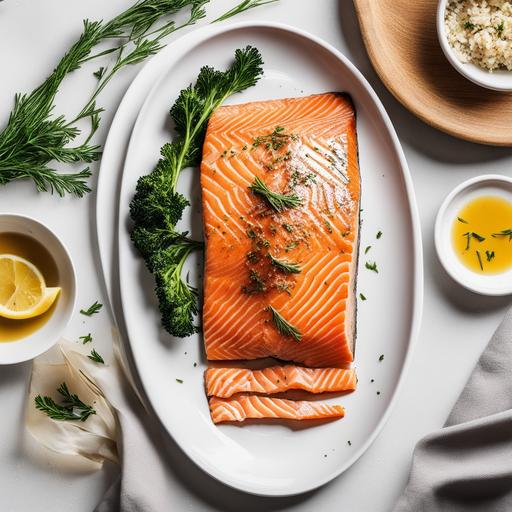
How To Cook Frozen Salmon In Ninja Air Fryer [FULL GUIDE]
Recommended Equipments:
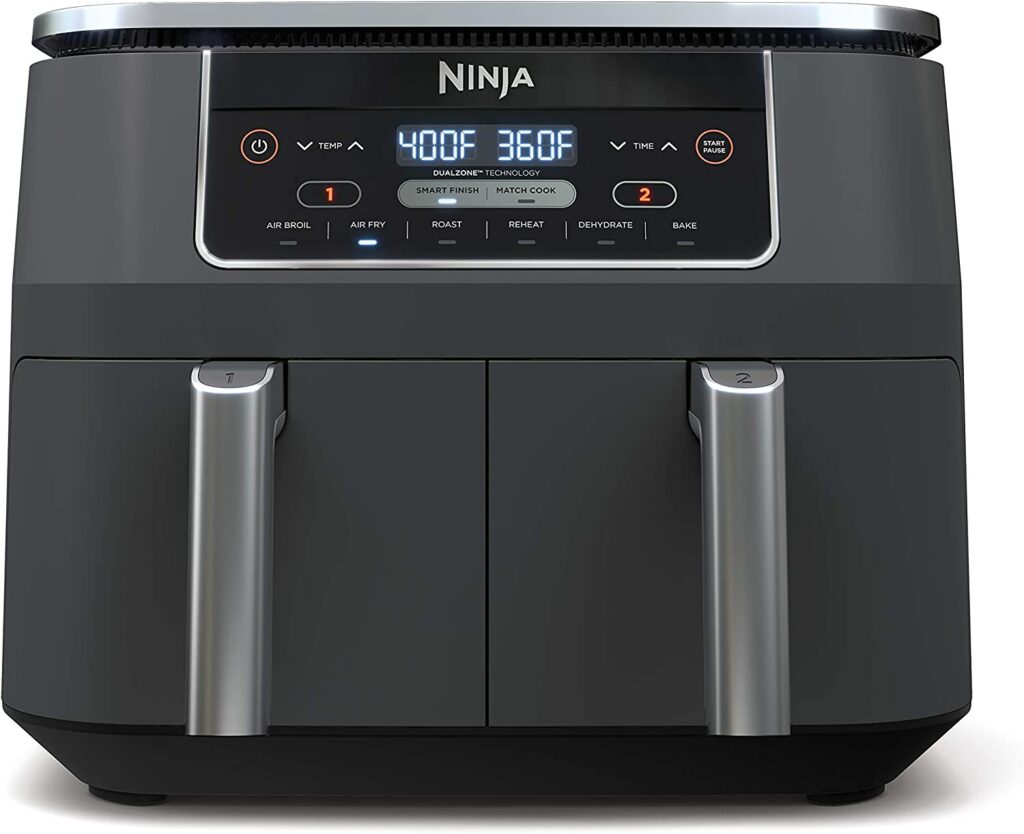
Cooking salmon from frozen can feel intimidating, but with the right techniques and tools, it’s a straightforward process that yields delicious, flaky results. The Ninja Air Fryer has revolutionized home cooking by providing a method that’s fast, efficient, and retains the natural flavor of foods without the need for excessive oils. Frozen salmon, when cooked properly in an air fryer, comes out tender, moist, and evenly cooked-a perfect solution for busy weeknights or impromptu dinners. This guide will walk you through the optimal temperature, cooking time, and tips to achieve perfectly cooked frozen salmon every time, as well as troubleshooting advice when things don’t go as planned.
Optimal Air Fryer Temperature To Cook Frozen Salmon In Ninja Air Fryer
Temperature is the most critical factor in cooking frozen salmon. For the Ninja Air Fryer, the ideal temperature is 400°F (204°C). This high heat ensures that the salmon cooks quickly and evenly while developing a lightly crispy exterior.
Lower temperatures (like 350°F) may leave the salmon undercooked in the center, especially if it’s thick, while temperatures above 420°F can risk drying out the delicate fish. At 400°F, the exterior sears lightly, locking in moisture and flavor, while the interior gently reaches the perfect doneness.
How Long To Cook Frozen Salmon In Ninja Air Fryer
Cooking time depends on the thickness of your salmon fillet, but for standard 6-8 ounce fillets, 10-12 minutes is generally ideal. Thicker fillets (over 1.5 inches) may require 14-15 minutes.
Here’s a rough breakdown:
- 6 oz fillet (1 inch thick): 10 minutes
- 8 oz fillet (1.25 inches thick): 12 minutes
- Over 1.5 inches thick: 14-15 minutes
It’s recommended to flip the fillet halfway through the cooking process to ensure even heat distribution and consistent cooking on both sides.
How To Tell If It Is Done
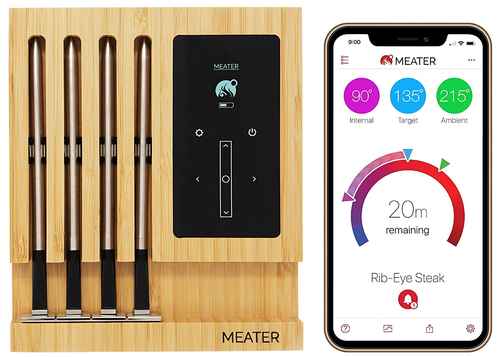
Salmon is done when it reaches an internal temperature of 145°F (63°C). If you don’t have a meat thermometer, look for visual cues:
- The flesh should be opaque and flaky when gently pressed with a fork.
- The center should no longer appear translucent.
- The juices should run clear rather than milky or pink.
Overcooking can make salmon dry, while undercooking leaves it gummy and uneven. Precision is key, so using a thermometer is the most reliable method.
Ingredients Needed
To cook frozen salmon in the Ninja Air Fryer, you only need minimal ingredients to enhance its natural flavor:
- Frozen salmon fillets (6-8 oz each)
- Olive oil or cooking spray
- Salt
- Black pepper
- Optional seasonings: garlic powder, paprika, lemon slices, dill, or your favorite fish seasoning
These simple ingredients allow the salmon’s flavor to shine while adding a subtle touch of seasoning that complements it perfectly.
How To Cook Frozen Salmon In Ninja Air Fryer
- Preheat the Air Fryer: Set your Ninja Air Fryer to 400°F (204°C) and allow it to preheat for 3-5 minutes.
- Prepare the Salmon: Lightly coat frozen fillets with olive oil or cooking spray. Sprinkle with salt, pepper, and optional seasonings.
- Place in the Basket: Arrange salmon fillets in a single layer in the air fryer basket. Avoid overlapping for even cooking.
- Cook: Air fry at 400°F for 10-12 minutes, flipping halfway through.
- Check Doneness: Use a thermometer or fork to ensure the salmon flakes easily and reaches 145°F internally.
- Serve: Garnish with lemon slices or fresh herbs for added flavor.
What If I Use A Different Air Fryer Temperature?
Adjusting the temperature affects cooking time and texture:
- Lower than 400°F: The salmon will cook more slowly and may require additional minutes. It may remain slightly less crispy on the outside but will retain moisture.
- Higher than 400°F: Salmon may cook faster, but the exterior could dry out before the center is fully cooked.
Maintaining a balance between temperature and time is critical to avoid overcooking or uneven doneness.
What If I Use A Different Air Fryer Cooking Time?
Cooking time adjustments are closely tied to thickness:
- Shorter time: Salmon may be undercooked and raw in the center.
- Longer time: Risk of dry, flaky salmon that loses its delicate texture.
When in doubt, always check the internal temperature. Salmon can be forgiving but becomes unpleasant if overcooked.
When Things Go Wrong
Even with air fryers, things can go wrong:
- Salmon sticks to the basket: Lightly grease the basket or use parchment paper designed for air fryers.
- Uneven cooking: Flip the fillets halfway, and ensure fillets are similar in size.
- Dry or tough salmon: Reduce cooking time or slightly lower the temperature. Consider brushing with a little oil or butter before cooking.
By troubleshooting common issues, you can achieve consistent results even if the first attempt isn’t perfect.
Expert Tips
- Do not thaw the salmon before air frying; cooking from frozen prevents overcooking the exterior while the center heats through.
- Use a thermometer: This guarantees perfect doneness every time.
- Season well: Even frozen salmon benefits from spices and citrus to enhance flavor.
- Flip fillets halfway: Ensures even browning and consistent cooking.
- Add a squeeze of lemon after cooking: Elevates flavor without extra calories or fat.
FAQs
How Do I Cook Frozen Salmon In A Ninja Air Fryer?
To cook frozen salmon in a Ninja air fryer, first preheat the air fryer to 390°F (200°C). Lightly season the frozen salmon with salt, pepper, and any other desired spices or marinades. Place the salmon fillets in the air fryer basket, making sure they are not overlapping. Cook for 12-15 minutes, flipping halfway through. Ensure the salmon reaches an internal temperature of 145°F (63°C) before serving.
Do I Need To Thaw The Salmon Before Cooking It In The Ninja Air Fryer?
No, you do not need to thaw frozen salmon before cooking it in the Ninja air fryer. The air fryer is designed to cook frozen foods directly, which helps preserve the moisture and texture of the fish while cooking it evenly.
Can I Cook Salmon From Frozen Without Adding Oil?
Yes, you can cook frozen salmon in the Ninja air fryer without oil. However, for a crispier texture, you can lightly spray the salmon with cooking oil or brush it with olive oil before seasoning. The air fryer uses hot circulating air to cook the food, which results in a crispy exterior even without oil.
How Long Does It Take To Cook Frozen Salmon In The Ninja Air Fryer?
Cooking frozen salmon in a Ninja air fryer typically takes between 12-15 minutes at 390°F (200°C), depending on the thickness of the fillets. It’s important to check the internal temperature, which should reach 145°F (63°C) for optimal doneness.
What Is The Best Temperature To Cook Frozen Salmon In A Ninja Air Fryer?
The best temperature to cook frozen salmon in a Ninja air fryer is 390°F (200°C). This temperature allows the fish to cook evenly while achieving a nice crispy texture on the outside, without overcooking the interior.
Should I Flip The Salmon While Cooking In The Ninja Air Fryer?
Yes, it’s a good idea to flip the salmon fillets halfway through the cooking time (around 6-7 minutes) to ensure even cooking and a uniform texture. This will help both sides of the fish cook evenly and develop a consistent crispness.
How Can I Tell When The Frozen Salmon Is Fully Cooked In The Ninja Air Fryer?
To check if the frozen salmon is fully cooked, use a meat thermometer to ensure it reaches an internal temperature of 145°F (63°C). Additionally, the salmon should easily flake with a fork, and the flesh should be opaque. If the salmon doesn’t flake or is translucent in the center, it may need more time.