
How To Dehydrate Dill In Air Fryer [FULL GUIDE]
Recommended Equipments:
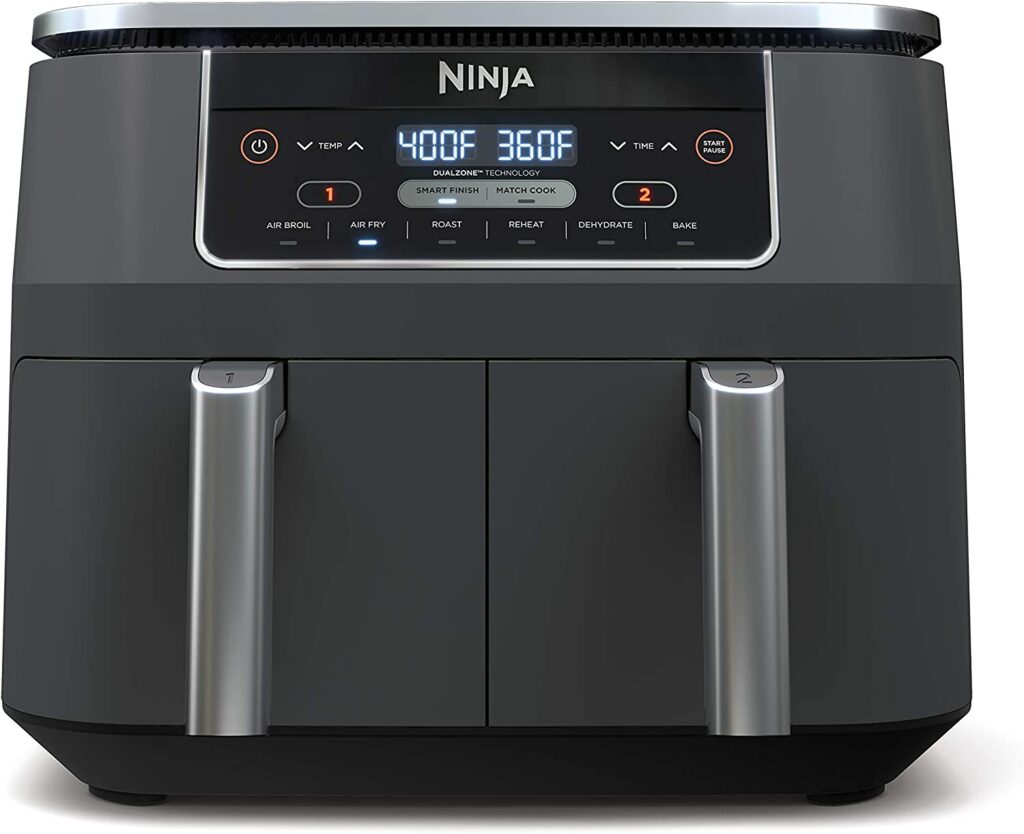
Dill, with its delicate feathery leaves and vibrant, tangy flavor, is a staple herb in many kitchens, lending itself beautifully to pickles, soups, sauces, and salads. While fresh dill is delightful, its shelf life is notoriously short. Dehydrating dill not only preserves its flavor but also allows for year-round use in your culinary creations. While traditional methods such as oven or sun drying are common, an air fryer presents a modern, efficient, and precise alternative. Its rapid air circulation and temperature control make it perfect for retaining the herb’s essential oils and natural aroma. Mastering the art of dehydrating dill in an air fryer ensures that each pinch of herb captures the essence of its fresh counterpart.
Optimal Air Fryer Temperature To Dehydrate Dill In Air Fryer
Temperature is critical when dehydrating herbs. Dill is delicate, and exposing it to high heat can scorch its leaves, leading to bitterness and loss of its aromatic oils. For air fryer dehydration, the optimal temperature is 95-110°F (35-43°C). This low-and-slow approach ensures gentle evaporation of moisture without cooking the herb. Some modern air fryers may not display such low temperatures, in which case setting the appliance to the lowest possible setting and checking frequently is essential. The goal is not to fry or brown the dill but to gradually remove moisture while preserving its vibrant green color and signature flavor.
How Long To Dehydrate Dill In Air Fryer
Dehydration time varies based on leaf thickness, freshness, and the density of the layer in the air fryer basket. On average, dill will take 2 to 4 hours to dehydrate fully at the optimal low temperature. Thinner leaves may finish closer to the 2-hour mark, while denser sprigs with stems may require the full 4 hours. The key is to check periodically and adjust the time based on the texture of the herb rather than relying solely on a clock.
How To Tell If It Is Done
Knowing when dill is fully dehydrated requires attention to texture and appearance:
- Leaves: They should feel completely dry and brittle. If you can crush them into a fine powder easily, the dehydration is complete.
- Stems: Larger stems should snap rather than bend. Any remaining flexibility indicates residual moisture.
- Color: Properly dehydrated dill retains a bright green hue; browning indicates overheating.
Properly dried dill should have a concentrated aroma without any hint of dampness.
Ingredients Needed
- Fresh dill (as many sprigs as your air fryer basket can accommodate without overcrowding)
- Optional: parchment paper or a silicone mat to prevent leaves from blowing around
No additional ingredients are needed-dill’s delicate nature benefits from dehydration without oil or seasoning.
How To Dehydrate Dill In Air Fryer
- Preparation: Rinse fresh dill gently under cool water and pat dry with paper towels. Excess moisture can prolong dehydration.
- Trimming: Remove thick stems if desired, leaving primarily the leafy fronds.
- Arrangement: Place the dill in a single layer in the air fryer basket. Overcrowding prevents even airflow and prolongs drying. Optionally, line the basket with parchment or a silicone mat.
- Setting Temperature: Adjust the air fryer to 95-110°F (35-43°C) or the lowest possible setting.
- Dehydration: Allow the dill to dehydrate for 2-4 hours, checking every 30 minutes after the first 2 hours. Shake or gently stir the leaves for even drying.
- Cooling: Remove and let the dill cool completely before storing to prevent condensation inside the storage container.
- Storage: Store in an airtight container away from light and heat for up to 6-12 months.
What If I Use A Different Air Fryer Temperature?
Increasing the temperature can speed up the dehydration process, but it comes at a cost. Temperatures above 120°F (49°C) risk cooking or browning the delicate leaves, diminishing flavor and aroma. Conversely, slightly lower temperatures may prolong drying time but better preserve color and essential oils. The key is to balance speed with quality-gentle heat is always preferable for delicate herbs like dill.
What If I Use A Different Air Fryer Cooking Time?
Dehydrating for too short a period leaves residual moisture, increasing the risk of mold during storage. Over-dehydrating, while less common, can result in brittle, crumbly leaves that lose some aromatic oils. Always prioritize texture and dryness over strictly following a clock; checking leaves periodically ensures the best results.
When Things Go Wrong
- Dill turns brown or scorched: Temperature was too high. Reduce heat and check every 20-30 minutes.
- Leaves remain damp after several hours: Possibly overcrowded basket or stems too thick. Spread leaves more thinly and consider trimming stems.
- Loss of aroma: Could be due to prolonged exposure to heat. Use gentler temperatures in future batches.
Addressing these issues promptly will salvage the batch and help improve subsequent attempts.
Expert Tips
- Uniform Layering: Avoid piling leaves; a single layer ensures even airflow.
- Use Fresh Dill: Older herbs contain less moisture and may dehydrate faster but can have weaker flavor.
- Gentle Stirring: Midway through dehydration, gently stir or shake the basket to promote uniform drying.
- Cool Before Storing: Condensation in a warm container can ruin your dehydrated dill.
- Label and Date: Herbs maintain potency best when used within 6-12 months.
FAQs
What Is The Best Way To Prepare Dill For Air Fryer Dehydration?
Start by thoroughly washing the dill to remove any dirt or debris. Pat it dry completely using a clean kitchen towel or paper towels. Remove any thick stems, leaving only the tender leaves, as stems take longer to dehydrate and can affect the uniformity of drying.
At What Temperature Should I Dehydrate Dill In An Air Fryer?
Set the air fryer to a low temperature, typically between 95°F and 120°F (35°C to 50°C). Most air fryers don’t have precise dehydration settings, so using the lowest available heat and checking frequently is crucial to prevent burning or over-drying.
How Long Does It Take To Dehydrate Dill In An Air Fryer?
Dehydrating dill in an air fryer generally takes between 1 to 3 hours, depending on the air fryer model, the humidity level, and the thickness of the dill leaves. It is recommended to check the progress every 30 minutes and shake the basket gently to ensure even drying.
Should I Use The Air Fryer Basket Or Tray For Dehydrating Dill?
It is best to spread dill evenly in a single layer on the air fryer basket or tray to allow adequate air circulation. Avoid overcrowding, as this can cause uneven drying and longer dehydration times.
How Do I Know When The Dill Is Fully Dehydrated?
The dill is fully dehydrated when the leaves are brittle and crumble easily between your fingers. There should be no visible moisture, and the aroma should be concentrated. If any soft or damp spots remain, continue dehydrating in short intervals.
Can I Store Dehydrated Dill, And How Long Does It Last?
Yes, dehydrated dill should be stored in an airtight container in a cool, dark place. Properly dehydrated and stored dill can retain its flavor for 6 to 12 months. Labeling the container with the date of dehydration is recommended to keep track of freshness.
Are There Any Tips To Enhance The Flavor Retention Of Air-fried Dehydrated Dill?
To preserve maximum flavor, dehydrate dill at a lower temperature for a longer time rather than using high heat. Also, store it away from direct sunlight and moisture, as exposure can degrade the essential oils responsible for its aroma and taste.