
How To Cook Sea Scallops In Air Fryer [FULL GUIDE]
Recommended Equipments:
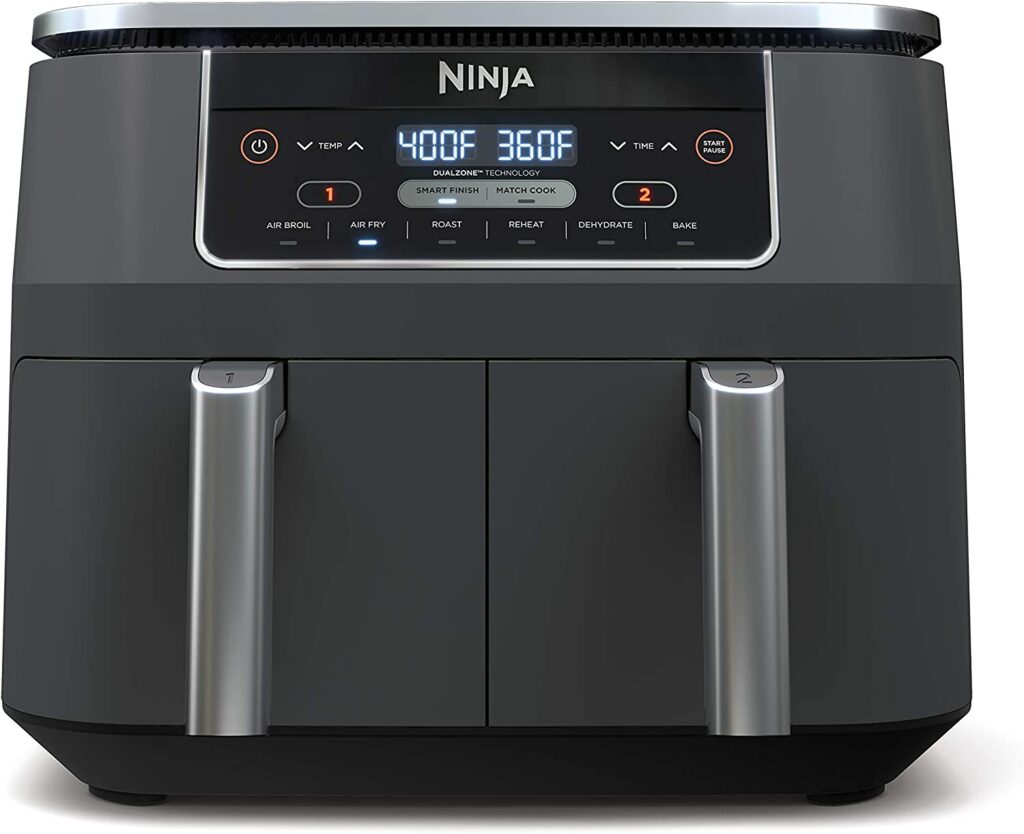
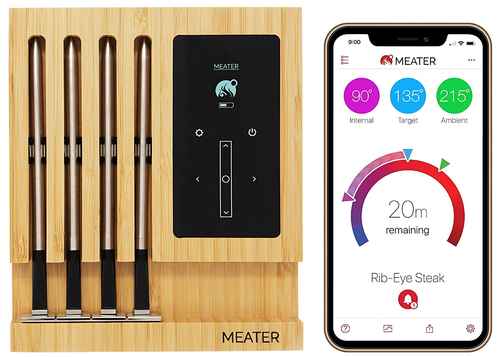
Sea scallops are small, tender treasures from the ocean, celebrated for their delicate texture and subtly sweet flavor. Cooking them perfectly can be challenging because their thin, tender flesh can easily overcook, turning from moist and succulent to rubbery and tough. Traditional methods like searing or baking require attention and experience, but the air fryer offers a modern, convenient solution that can produce restaurant-quality results with minimal effort. Using the air fryer allows for even cooking, a golden sear, and a beautifully caramelized exterior, all without drowning the scallops in oil. Mastering this technique ensures that you enjoy every bite as nature intended-soft, flavorful, and irresistibly tender.
Optimal Air Fryer Temperature To Cook Sea Scallops In Air Fryer
Temperature control is the most critical factor when cooking sea scallops in an air fryer. Scallops are delicate and require a high enough temperature to achieve that signature golden-brown crust, yet not so high that they overcook instantly.
The optimal temperature for air frying sea scallops is 400°F (205°C). This temperature allows for a fast sear on the outside while gently cooking the interior to a tender, juicy consistency. Lower temperatures, such as 350°F (175°C), may cook the scallops more evenly but can leave them lacking in color and texture. Conversely, extremely high temperatures (425-450°F / 220-230°C) risk scorching the scallops before the center is fully cooked.
How Long To Cook Sea Scallops In Air Fryer
Cooking time in an air fryer is brief, which is perfect for scallops’ delicate nature. Typically, sea scallops cook in 8-10 minutes, depending on their size and your air fryer model. Here’s a more detailed breakdown:
- Small scallops (10-15 g each): 6-8 minutes
- Medium scallops (15-20 g each): 8-10 minutes
- Large scallops (20-30 g each): 10-12 minutes
It’s essential to flip the scallops halfway through cooking to ensure an even golden-brown crust on both sides. Overcooking by even one or two minutes can make them tough, so timing is crucial.
How To Tell If It Is Done
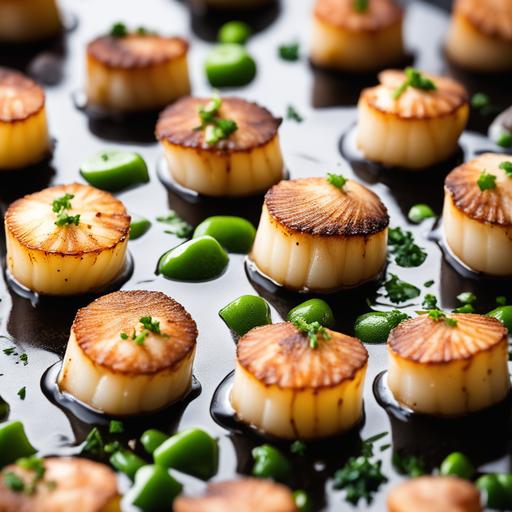
Scallops are perfectly cooked when they are opaque all the way through, slightly firm to the touch, and springy. The exterior should have a light golden crust, while the inside remains tender. Avoid cutting into them too early, as this can release juices and dry them out.
Some tell-tale signs they’re done include:
- They bounce back slightly when pressed with a fingertip.
- They shrink slightly, releasing a bit of natural liquid.
- They have a mildly sweet aroma and a glistening surface, not dry or chalky.
Ingredients Needed
To cook perfectly seasoned air fryer scallops, you will need:
- 8-12 sea scallops, patted dry
- 1-2 tablespoons olive oil or melted butter
- Salt, to taste
- Black pepper, to taste
- Optional: garlic powder, paprika, or lemon zest for added flavor
- Lemon wedges for serving
- Fresh herbs (parsley, dill, or thyme) for garnish
Patting the scallops dry is critical, as excess moisture prevents the development of a proper sear.
How To Cook Sea Scallops In Air Fryer
- Prep the scallops: Pat them dry thoroughly with paper towels. Lightly brush with olive oil or melted butter, and season with salt, pepper, and optional spices.
- Preheat the air fryer: Set it to 400°F (205°C) for 3-5 minutes. Preheating ensures even cooking.
- Arrange scallops: Place scallops in a single layer in the air fryer basket, leaving space between each one to allow hot air circulation.
- Cook: Air fry for 4-5 minutes, then carefully flip them and cook for another 4-5 minutes.
- Check doneness: Look for a firm, opaque center and a lightly browned crust. Remove immediately to prevent overcooking.
- Serve: Plate immediately with fresh herbs and lemon wedges for a visually stunning and flavorful dish.
What If I Use A Different Air Fryer Temperature?
Altering the temperature affects both cooking time and texture:
- Lower temperature (350°F / 175°C): Scallops will cook more slowly and evenly but may not develop a golden crust. Increase cooking time slightly.
- Higher temperature (425-450°F / 220-230°C): Scallops will brown faster, but the risk of overcooking and drying out increases. Reduce cooking time and monitor carefully.
Temperature adjustments require careful observation to maintain the delicate balance between a seared exterior and a tender interior.
What If I Use A Different Air Fryer Cooking Time?
Cooking time directly influences texture:
- Too short: The scallops will be undercooked, rubbery, and opaque in the center.
- Too long: They will overcook, becoming tough and chewy, losing their naturally sweet flavor.
For optimal results, monitor the scallops during the last 2 minutes of cooking and remove them as soon as they’re firm, opaque, and lightly browned.
When Things Go Wrong
Even with care, mistakes can happen:
- Scallops are dry or rubbery: Most likely overcooked. Reduce cooking time or slightly lower the temperature next time.
- No browning on top: Air fryer temperature may be too low, or scallops were too crowded. Try preheating or spacing them out more.
- Uneven cooking: Flip scallops halfway through and ensure uniform sizing for consistent results.
Remember, each air fryer model varies slightly, so slight adjustments may be necessary to achieve perfection.
Expert Tips
- Pat dry meticulously: Excess water prevents browning.
- Single layer only: Crowding the basket results in steaming, not air frying.
- Flip once: Over-flipping can disrupt searing.
- Season simply: High heat enhances natural scallop flavor; over-seasoning can mask it.
- Use butter or oil sparingly: Just enough to aid browning without causing smoking.
- Let them rest: After cooking, let scallops rest 1-2 minutes to redistribute juices.
FAQs
What Is The Best Way To Prepare Sea Scallops Before Cooking Them In An Air Fryer?
Before cooking, rinse the sea scallops under cold water and pat them dry with paper towels. Remove the side muscle if still attached. Season them lightly with salt, pepper, and optional herbs or spices. Brushing with a small amount of oil can help achieve a golden, crispy exterior in the air fryer.
At What Temperature Should I Cook Sea Scallops In An Air Fryer?
Preheat the air fryer to 400°F (200°C). This temperature allows the scallops to cook quickly and develop a caramelized, golden-brown surface without overcooking the delicate interior.
How Long Should Sea Scallops Be Cooked In An Air Fryer?
Cook the scallops for 8 to 10 minutes, flipping them halfway through the cooking time. Thicker scallops may require an extra minute or two. They are done when they are opaque throughout and have a slightly firm texture.
Should I Use Oil When Cooking Sea Scallops In An Air Fryer?
Yes, lightly brushing or spraying the scallops with a small amount of oil helps achieve a golden-brown crust and prevents sticking. However, avoid using too much oil, as scallops are naturally moist and can release liquid during cooking.
Can I Cook Frozen Sea Scallops Directly In The Air Fryer?
It is recommended to thaw frozen scallops before air frying for even cooking. If cooked from frozen, increase the cooking time slightly, but be aware that the exterior may not sear as well and excess moisture can affect the texture.
How Can I Tell When Air-fried Sea Scallops Are Perfectly Cooked?
Perfectly cooked scallops are opaque in the center and have a firm but tender texture. They should not feel rubbery or overly soft. The surface should have a light golden-brown sear.
What Are Some Tips To Enhance The Flavor Of Air-fried Sea Scallops?
Marinate scallops briefly with garlic, lemon juice, herbs, or spices before cooking. Adding a touch of butter after cooking can enhance richness. Serve immediately to maintain their natural sweetness and tender texture.