
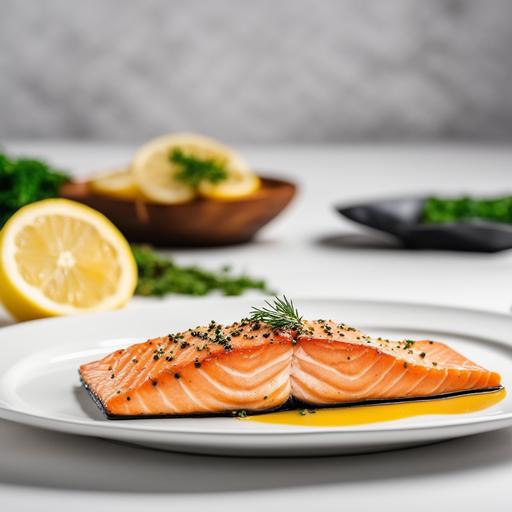
How To Cook Salmon Fillet In Air Fryer [FULL GUIDE]
Recommended Equipments:
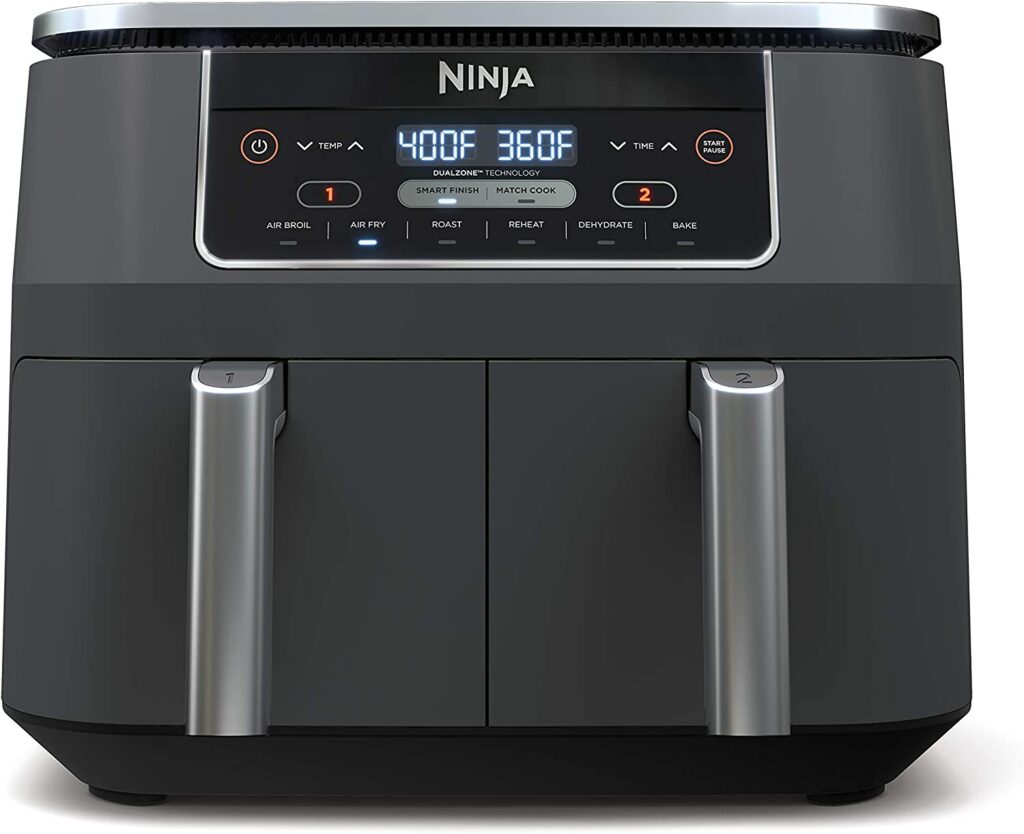
Cooking salmon fillet to perfection can be a challenge for many home cooks. Traditional methods like pan-searing, baking, or grilling often require careful attention to temperature and timing, leaving little room for error. Enter the air fryer-a revolutionary kitchen appliance that combines convection cooking with rapid air circulation to deliver crispy exteriors and tender, moist interiors without excessive oil. Air fryers have become a favorite among those seeking convenience, efficiency, and healthier cooking methods. Cooking salmon in an air fryer allows you to retain its natural flavors, preserve omega-3 fatty acids, and enjoy a restaurant-quality meal in under 20 minutes. The key to mastering this technique lies in understanding the optimal temperature, timing, and preparation methods that ensure your salmon emerges succulent, flaky, and flavorful every time.
Optimal Air Fryer Temperature To Cook Salmon Fillet In Air Fryer
The ideal temperature for cooking salmon in an air fryer balances between achieving a golden, slightly crispy exterior while preserving the delicate, moist interior. For most air fryer models, a temperature of 375°F (190°C) works perfectly for fillets of average thickness (approximately 1-inch thick). This temperature allows the heat to penetrate evenly, cooking the salmon through without overcooking the surface.
Some variations may apply:
- Thicker fillets (over 1.5 inches): Lowering the temperature slightly to 360°F (182°C) may help ensure the inside cooks evenly without the outside drying out.
- Thin fillets (under 1 inch): A slightly higher temperature, around 400°F (204°C), can help achieve a lightly crisp exterior without overcooking the interior.
Temperature control is vital because salmon is a delicate fish. Too high, and the exterior may burn before the center cooks; too low, and you risk a rubbery texture.
How Long To Cook Salmon Fillet In Air Fryer
Cooking time is closely tied to both the thickness of the fillet and the temperature you select. A general guideline for 1-inch thick salmon fillets at 375°F (190°C) is:
- Cooking Time: 10-12 minutes
For fillets thicker than 1.5 inches, extend the cooking time slightly to 13-15 minutes, checking for doneness as the fillet approaches the longer end of the range. Thin fillets may only need 7-9 minutes.
The air fryer’s rapid circulation ensures even cooking, but remember that residual heat continues to cook the salmon for a few minutes after removal. This ’carryover cooking’ is important to avoid overcooking, which can dry out the fish.
How To Tell If It Is Done
Salmon is perfectly cooked when it reaches an internal temperature of 145°F (63°C) at the thickest part. However, professional chefs often prefer a slightly lower temperature, around 130-135°F (54-57°C), for a moister, more tender finish.
Visual and tactile cues include:
- Flakiness: Gently press a fork into the fillet; it should separate into tender, translucent layers.
- Color: The center should change from translucent to opaque pink. Overcooked salmon appears chalky or white.
- Firmness: Lightly squeeze the fillet; it should spring back slightly rather than feel mushy or rubbery.
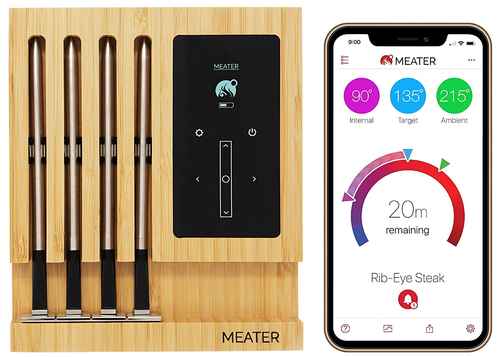
Using a digital meat thermometer provides the most accurate results and helps prevent guesswork.
Ingredients Needed
The beauty of air fryer salmon is that it requires minimal ingredients while allowing flexibility for flavor experimentation. A basic setup includes:
- 2 salmon fillets (skin-on or skinless, approximately 6 ounces each)
- 1-2 tablespoons olive oil or melted butter
- Salt, to taste
- Freshly ground black pepper, to taste
- Optional flavor enhancers: lemon slices, garlic powder, paprika, dill, rosemary, or soy sauce
The air fryer does not require excessive oil; just a light brush ensures crispness and prevents sticking.
How To Cook Salmon Fillet In Air Fryer
- Preheat the Air Fryer: Preheat to 375°F (190°C) for 3-5 minutes for optimal heat distribution.
- Prepare the Salmon: Pat the fillets dry with a paper towel. Brush lightly with olive oil and season with salt, pepper, and optional spices.
- Place in Basket: Position the fillets skin-side down (if applicable) in the air fryer basket, ensuring space between them for proper air circulation.
- Cook: Air fry for 10-12 minutes. Avoid opening the basket mid-cook unless checking for doneness to preserve heat.
- Check for Doneness: Use a fork or digital thermometer to verify the salmon is cooked to your preferred level.
- Rest and Serve: Allow salmon to rest for 2-3 minutes to let residual heat finish cooking. Garnish with fresh herbs or lemon slices.
What If I Use A Different Air Fryer Temperature?
Altering the air fryer temperature changes the texture and cooking speed:
- Higher Temperature (400-425°F / 204-218°C): Cooks faster and may produce a crispier exterior, but risks overcooking the center if not monitored closely.
- Lower Temperature (325-350°F / 163-177°C): Slower, gentler cooking preserves moisture but may not create the golden exterior that makes air-fried salmon visually appealing.
Temperature adjustments require corresponding time adjustments to maintain proper doneness.
What If I Use A Different Air Fryer Cooking Time?
Cooking time directly affects moisture and texture:
- Shorter Time: Salmon may be undercooked or overly raw in the center.
- Longer Time: Risk of dry, flaky, or chalky texture.
Always check internal temperature and visual cues, especially when experimenting with non-standard times. Adjustments should be made gradually to avoid ruining the fillet.
When Things Go Wrong
Even with air fryers, mistakes happen:
- Salmon is dry: Likely overcooked. Reduce time or temperature next attempt and consider brushing with extra oil or butter.
- Salmon is undercooked: Increase cooking time slightly or check for uneven placement in the basket.
- Fillet sticks to basket: Pat dry, lightly oil, or use parchment paper liners designed for air fryers.
- Uneven cooking: Ensure fillets aren’t stacked or overlapping; rotate or rearrange halfway through for uniform results.
Learning from these mistakes helps perfect your air-fried salmon over time.
Expert Tips
- Pat Salmon Dry: Moisture on the surface can prevent browning and cause uneven cooking.
- Use Skin: Cooking skin-on keeps fillets intact and provides a crisp, flavorful layer.
- Season Ahead: Marinating for 15-30 minutes enhances flavor penetration.
- Preheat for Crispiness: Preheating the air fryer ensures consistent texture.
- Monitor Closely: Small differences in air fryer models may require minor adjustments.
These small details elevate a simple air fryer salmon into a restaurant-quality dish.
FAQs
What Temperature Should I Set My Air Fryer To For Cooking Salmon Fillet?
For perfectly cooked salmon fillets, preheat your air fryer to 375°F (190°C). This temperature allows the salmon to cook evenly, develop a slight crisp on the outside, and remain tender and moist on the inside.
How Long Does It Take To Cook Salmon Fillet In An Air Fryer?
Cooking time depends on the thickness of the fillet. For an average 1-inch thick salmon fillet, cook for 8-10 minutes. Thicker fillets may require 12-14 minutes. Always check for doneness by ensuring the internal temperature reaches 145°F (63°C).
Do I Need To Season Or Marinate The Salmon Before Air Frying?
Yes, seasoning or marinating enhances flavor. A simple mix of olive oil, salt, pepper, and lemon juice works well. For extra flavor, consider adding garlic, herbs, or soy sauce. Lightly brush or coat the fillet before placing it in the air fryer basket.
Should I Use Aluminum Foil Or Parchment Paper In The Air Fryer?
You can use both, but it is optional. Lining the air fryer basket with parchment paper prevents sticking and makes cleanup easier. Ensure the parchment paper does not block air circulation. Avoid using foil if it could touch the heating element, as it may cause a fire hazard.
How Can I Prevent The Salmon From Drying Out In The Air Fryer?
To maintain moisture, avoid overcooking and do not overcrowd the basket. Brushing the fillet with a thin layer of oil or butter helps retain moisture. Using slightly higher fat content fillets, such as Atlantic salmon, also reduces the risk of dryness.
Can I Cook Frozen Salmon Fillets In The Air Fryer?
Yes, frozen salmon can be air fried, but cooking time will be longer, typically 12-15 minutes for a 1-inch thick fillet. It’s best to season the fillet lightly before cooking, then add more seasoning after it has cooked. Ensure the internal temperature reaches 145°F (63°C).
How Do I Know When The Salmon Is Perfectly Cooked?
The salmon is done when it flakes easily with a fork and reaches an internal temperature of 145°F (63°C). The exterior should be slightly crisp, while the interior remains moist. Overcooking will make it dry and tough, so monitor closely in the last few minutes.