
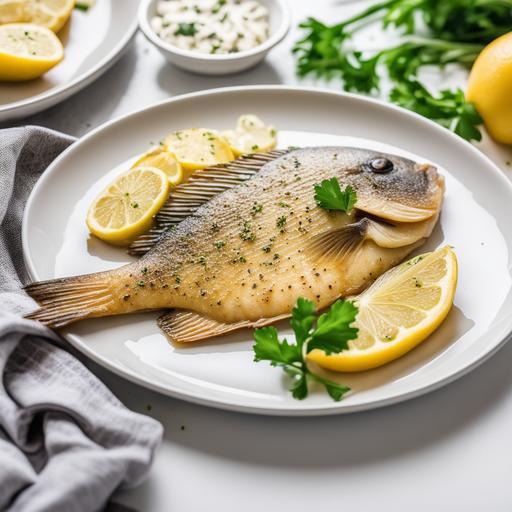
How To Air Fry Tilapia In Air Fryer [FULL GUIDE]
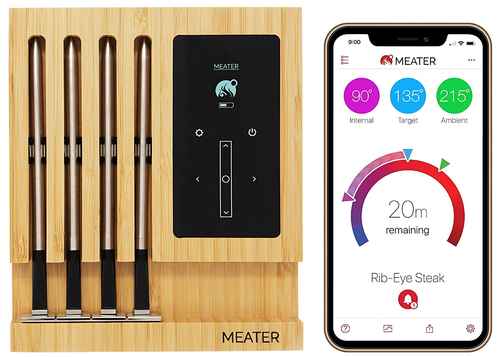
Recommended Equipments:
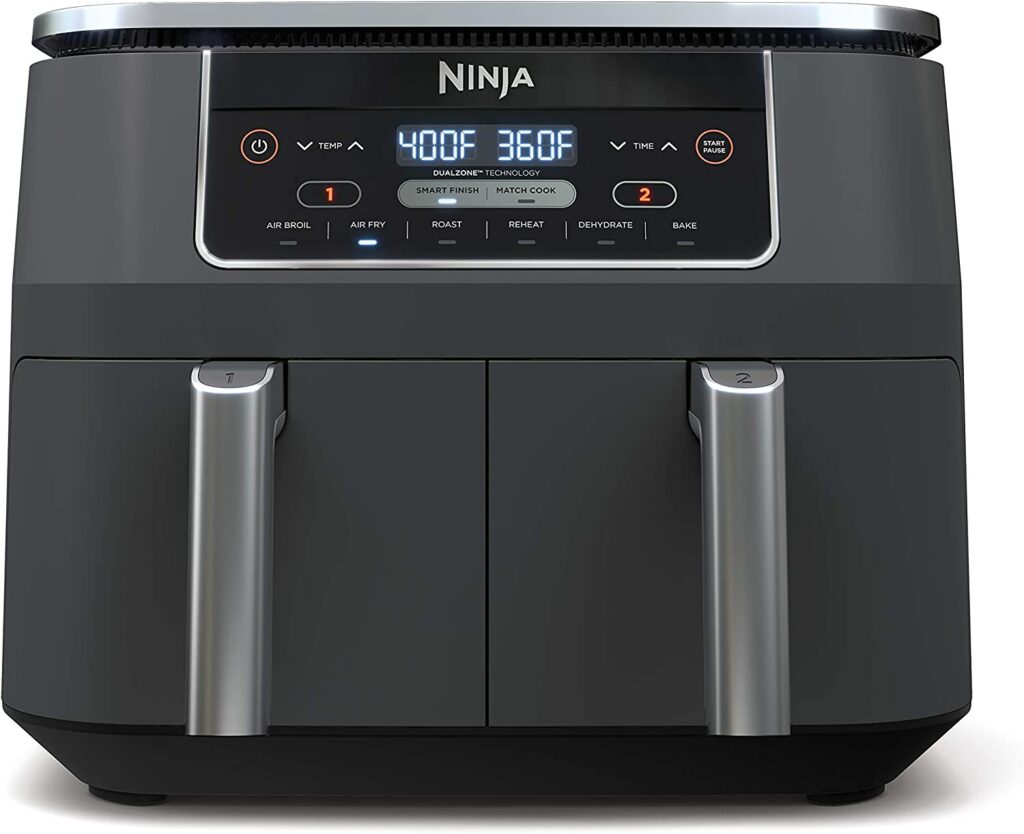
Tilapia, a mild, flaky white fish, has become a household favorite due to its versatility and gentle flavor. While it can be baked, pan-fried, or grilled, air frying offers a remarkable alternative that combines convenience, speed, and health-conscious cooking. By using an air fryer, you can achieve a perfectly crisp exterior while keeping the interior moist and tender-without the need for excessive oil. The air fryer works by circulating hot air at high speeds, creating a golden-brown crust similar to traditional frying but with significantly less fat. Whether you’re preparing a quick weeknight dinner or a light, elegant meal for guests, air-fried tilapia provides a delicious, nutritious option that can easily be customized with herbs, spices, or marinades.
Optimal Air Fryer Temperature To Air Fry Tilapia In Air Fryer
The temperature at which you air fry tilapia is crucial for achieving the perfect texture and flavor. Tilapia is a delicate fish that cooks quickly, and too high a temperature can result in a dry, overcooked interior, while too low a temperature may produce a soggy or undercooked crust.
The ideal temperature for air frying tilapia is 400°F (204°C). At this temperature, the hot circulating air crisps the outer layer, creating a slightly golden and flavorful coating, while the inner flesh remains moist and tender. This temperature also allows any light breading or seasoning to develop a pleasant texture without burning.
For variations, slightly lower temperatures (350-375°F) may be used for thicker fillets or when you want a gentler cooking process, while slightly higher temperatures (410-420°F) can yield a crispier exterior if monitored closely to avoid overcooking.
How Long To Air Fry Tilapia In Air Fryer
Cooking time is just as important as temperature. Because tilapia fillets are typically thin, they cook quickly. On average, at 400°F (204°C), tilapia fillets take approximately 8-12 minutes to cook in an air fryer.
Thinner fillets, around 4-5 ounces, may only require 8 minutes, while thicker fillets closer to 6-7 ounces may need up to 12 minutes. The fish should be flipped halfway through the cooking process to ensure even browning on both sides. It’s always better to check a minute or two early than risk overcooking the delicate fish.
How To Tell If It Is Done
Determining when tilapia is perfectly cooked is vital for optimal texture and taste. There are several reliable methods:
- Visual cues: The flesh of cooked tilapia turns opaque and slightly white throughout. Undercooked fish will still appear translucent and slightly glossy.
- Flake test: Use a fork to gently pull apart the thickest part of the fillet. Properly cooked tilapia should flake easily without falling apart into mush.
- Internal temperature: For precision, use a meat thermometer. Tilapia is safely cooked at an internal temperature of 145°F (63°C).
Avoid overcooking, as tilapia can become dry and lose its delicate flavor.
Ingredients Needed
For a simple, flavorful air-fried tilapia, you’ll need the following:
- 2-4 tilapia fillets (4-6 ounces each)
- 1-2 tablespoons olive oil or cooking spray
- Salt and black pepper to taste
- Optional seasonings: paprika, garlic powder, onion powder, lemon zest, cayenne pepper, or dried herbs
- Optional garnish: lemon wedges, fresh parsley, or dill
For a lightly breaded version:
- 1/2 cup panko breadcrumbs or crushed crackers
- 1-2 tablespoons grated Parmesan cheese
- 1 teaspoon dried Italian herbs
How To Air Fry Tilapia In Air Fryer
- Preheat the air fryer: Set the temperature to 400°F (204°C) and allow it to preheat for 3-5 minutes.
- Prepare the fillets: Pat the tilapia fillets dry with paper towels. Brush lightly with olive oil or spray with cooking spray. Season both sides with salt, pepper, and optional spices. If breading, coat the fillets evenly in the breadcrumb mixture.
- Arrange the fillets: Place the fillets in a single layer in the air fryer basket. Ensure they are not overlapping to allow proper air circulation.
- Air fry: Cook at 400°F (204°C) for 8-12 minutes, flipping halfway through for even browning.
- Check for doneness: Use the visual, flake, or internal temperature methods described above.
- Serve: Remove carefully and serve immediately with your choice of sides, garnished with lemon wedges or fresh herbs.
What If I Use A Different Air Fryer Temperature?
Using a different temperature will change the cooking dynamics:
- Lower temperature (350-375°F / 177-191°C): The fish will cook more slowly and may remain juicier, but the exterior may not be as crispy. This is ideal for thicker fillets or more delicate seasoning.
- Higher temperature (410-425°F / 210-218°C): This will create a crispier crust more quickly, but the risk of overcooking the interior increases. Keep a close eye and reduce cooking time slightly.
What If I Use A Different Air Fryer Cooking Time?
Adjusting cooking time can affect texture and doneness:
- Shorter time: Undercooked fish may be raw or translucent in the center. Always check using the flake or temperature test.
- Longer time: Tilapia can dry out quickly, becoming tough and losing flavor. If you need extra time, consider lowering the temperature to avoid overcooking.
When Things Go Wrong
Even with careful attention, air frying can sometimes go awry:
- Fish sticks together or tears: Ensure fillets are dry before cooking and lightly oiled. Avoid overcrowding the basket.
- Uneven cooking: Flip the fillets halfway through and, if your air fryer has hot spots, rotate the basket for consistency.
- Burned or overly crisp exterior: Reduce the temperature slightly or check the fish a minute or two earlier than the recommended time.
- Dry interior: This usually means the fillets were overcooked; aim for slightly shorter cook times next time or slightly lower temperatures.
Expert Tips
- Pat fillets dry: Moisture on the surface prevents crisping.
- Do not overcrowd: Air circulation is crucial for even cooking.
- Use a light coating of oil: This enhances browning and flavor without excess fat.
- Customize seasoning: Tilapia’s mild flavor pairs well with citrus, garlic, paprika, or Cajun spices.
- Check early: Start checking a minute or two before the expected cooking time to prevent overcooking.
- Consider parchment or silicone liners: They make cleanup easier and prevent sticking without affecting crispiness.
FAQs
What Is The Best Temperature To Air Fry Tilapia?
The optimal temperature for air frying tilapia is typically between 375°F to 400°F (190°C to 200°C). This range ensures the fish cooks evenly, develops a slightly crispy exterior, and remains moist inside.
How Long Should Tilapia Be Cooked In An Air Fryer?
Tilapia fillets generally take 8 to 12 minutes to cook in an air fryer, depending on the thickness of the fillets. Thicker fillets may require up to 14 minutes, while thinner ones may cook in 7-8 minutes. It is recommended to flip the fillets halfway through cooking for even browning.
Do I Need To Preheat The Air Fryer Before Cooking Tilapia?
Preheating the air fryer is recommended for tilapia to ensure consistent cooking. Preheating for 3 to 5 minutes at the target cooking temperature allows the fish to start cooking immediately and helps achieve a crisp outer layer.
Should I Oil The Tilapia Before Air Frying?
Yes, lightly brushing or spraying the tilapia with oil helps prevent sticking and promotes a golden, crispy texture. Use a small amount of olive oil, avocado oil, or cooking spray for best results.
How Can I Season Tilapia For The Air Fryer?
Tilapia can be seasoned with a variety of herbs and spices. Popular options include garlic powder, paprika, lemon pepper, salt, and black pepper. You can also marinate the fillets in lemon juice, olive oil, and herbs for 15-30 minutes before cooking for enhanced flavor.
Do I Need To Flip Tilapia Fillets In The Air Fryer?
Flipping is recommended for even cooking and browning, especially for fillets thicker than half an inch. Flip the fillets halfway through the cooking time to ensure both sides achieve a crisp exterior without drying out.
How Do I Know When Air-fried Tilapia Is Done?
Tilapia is done when it reaches an internal temperature of 145°F (63°C) and the flesh is opaque and flakes easily with a fork. The edges should be lightly golden, and the fish should maintain its moisture without appearing dry.