How To Bake Chicken Wings In Air Fryer [FULL GUIDE]
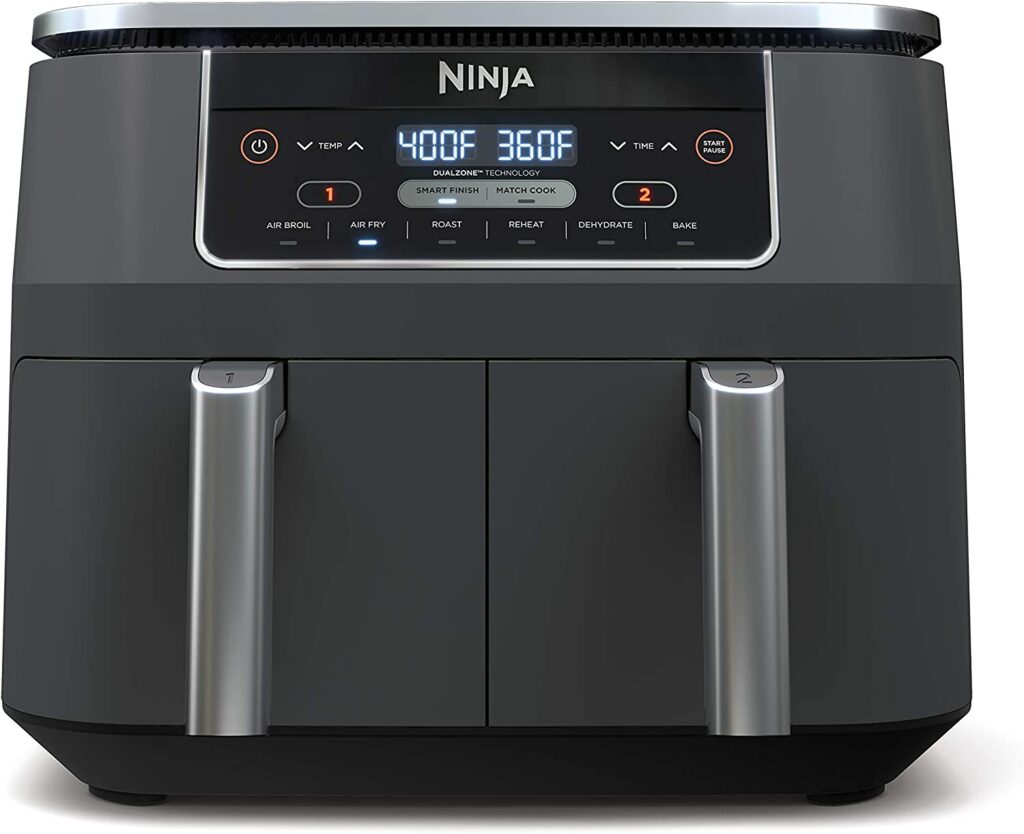
Recommended Equipments:
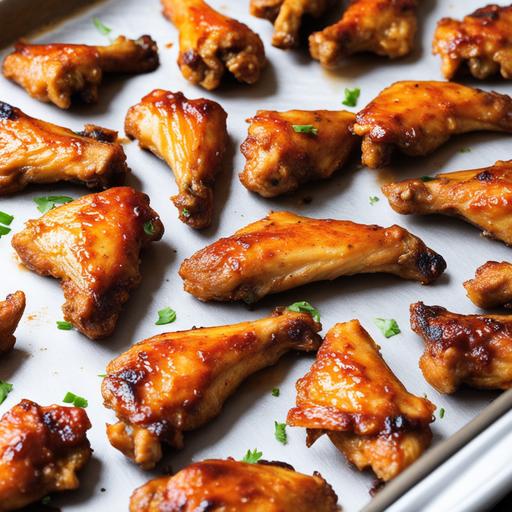
Baking chicken wings in an air fryer offers a remarkable combination of speed, crispness, and convenience. Unlike traditional oven baking, which demands longer cooking times and careful heat management, the air fryer rapidly circulates hot air around each wing, creating an evenly crisp exterior without excessive oil. The result is a texture similar to deep-fried wings and a flavor that remains juicy, well-seasoned, and richly developed. Whether you enjoy them plain, seasoned, or drenched in your favorite sauce, mastering air fryer chicken wings is one of the most rewarding and reliable kitchen skills for home cooks.
This guide covers every essential aspect-from temperature selection and cooking duration to troubleshooting, ingredient preparation, and expert-level tips-to help you produce consistently exceptional wings.
Optimal Air Fryer Temperature To Bake Chicken Wings In Air Fryer
The ideal temperature for baking chicken wings in an air fryer is 380°F (193°C). This temperature strikes the perfect balance between rendering fat from the skin and cooking the meat thoroughly without drying it out.
At 380°F:
- The wings cook evenly from edge to center.
- Fat beneath the skin melts gradually, creating a crisp exterior.
- The risk of burnt seasoning or overly browned skin is minimized.
- Tenderness is preserved even if the wings are left in a bit longer.
For extra crispness, many cooks like to finish with a short, high-heat blast at 400-420°F for the last 3-5 minutes. This optional finishing step deepens the color and creates an even crunchier skin.
How Long To Bake Chicken Wings In Air Fryer
Cooking time varies depending on wing size, thickness, and the model of your air fryer, but the standard guideline at 380°F is:
- Small to medium wings: 18-20 minutes
- Large wings: 22-25 minutes
- Extra-crisp finish: Add 3-5 minutes at 400-420°F
To ensure even cooking:
- Flip the wings halfway through the cooking process.
- Avoid overcrowding; allow some space between each piece.
If the wings are frozen, they generally require:
- 25-30 minutes, flipping at least twice
Cooking time is always guided by internal temperature and visual cues, which we’ll cover next.
How To Tell If Chicken Wings Are Done
Chicken wings are fully cooked when:
Internal Temperature Reaches 165°F (74°C)
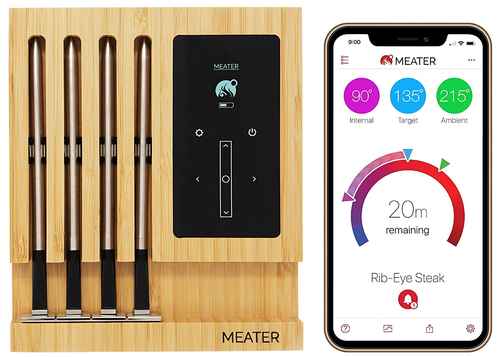
Use a meat thermometer placed in the thickest part of the wing, away from the bone. For the juiciest results, aim for 175-185°F, as wings contain connective tissue that benefits from slightly higher temperatures.
The Skin Is Golden And Crisp
The surface should be blistered or lightly browned with no soft spots.
Juices Run Clear
Pierce the thickest part of the wing. Clear liquid indicates doneness; pink or reddish juices mean it needs more time.
The Wing Joint Moves Easily
Fully cooked wings have a slight looseness around the bone.
Ingredients Needed
You can keep the ingredient list simple or elevate it with deeper layers of flavor. Here is a comprehensive baseline:
Base Ingredients
- Chicken wings (sectioned into flats and drumettes)
- Salt
- Black pepper
- Neutral oil or cooking spray (optional but helps with crisping)
Recommended Enhancers
- Garlic powder
- Onion powder
- Smoked paprika or sweet paprika
- Chili powder or cayenne for heat
- Baking powder (aluminum-free) for extra crispness
- Lemon zest for brightness
- Your choice of sauce: buffalo, barbecue, honey garlic, teriyaki, or dry rub seasoning blends
How To Bake Chicken Wings In Air Fryer
Follow these steps for consistently excellent results:
Prepare The Wings
Pat the wings completely dry using paper towels. Removing surface moisture is essential for crisp skin.
Season Thoroughly
In a mixing bowl, toss the wings with your chosen seasoning blend. If using baking powder, mix it with the spices before coating the wings. This helps the skin crisp as it cooks.
Preheat The Air Fryer
Preheat to 380°F for about 3-5 minutes. A preheated basket ensures immediate crisping and prevents sticking.
Arrange The Wings
Place the wings in a single layer with some space between pieces. Do not stack or overcrowd; proper airflow is key.
Cook The Wings
- Air fry at 380°F for 18-25 minutes.
- Flip halfway through.
- Optionally finish at 400-420°F for 3-5 minutes for enhanced crispiness.
Sauce Or Serve
Toss the wings in your chosen sauce immediately after cooking, or serve them dry-rub style for maximum crunch.
What If I Use A Different Air Fryer Temperature?
Changing the temperature affects texture, browning, and cooking time:
Lower Temperature (320-350°F)
- Wings cook more slowly and retain more moisture.
- Skin may remain soft or rubbery.
- Useful only if cooking heavily sauced wings that risk burning.
Higher Temperature (400-425°F)
- Faster browning and crisping.
- Higher risk of burning spices or drying out smaller wings.
- Works best as a finishing blast, not as the main cooking temperature.
What If I Use A Different Air Fryer Cooking Time?
Cooking time adjustments can lead to distinct outcomes:
Shortened Time
- Wings may be undercooked internally.
- Skin can appear slightly cooked but remain chewy.
- Juices may still be pink.
Extended Time
- Slightly longer cooking times can improve crispness.
- Excessive time causes dryness, tough meat, or darkened skin.
- If overdone, the bones may darken from dehydration.
Always rely on internal temperature and texture cues, not time alone.
When Things Go Wrong
Air frying chicken wings can sometimes produce unexpected results. Here’s how to troubleshoot:
Wings Are Soggy
- They weren’t dried thoroughly before cooking.
- Basket was overcrowded.
- Temperature was too low for proper crisping.
Wings Are Dry
- Cooked too long or at too high of a temperature.
- Wings were very small and needed a reduced cooking time.
Burning On The Outside, Raw Inside
- Temperature too high for the size of the wings.
- Frozen wings not given enough total cooking time.
Uneven Crisping
- Wings weren’t flipped halfway through.
- Some pieces were touching, blocking airflow.
Expert Tips
- Dry thoroughly: Moisture is the enemy of crispiness. Dry wings make all the difference.
- Use aluminum-free baking powder: It encourages browning and blistering.
- Preheat the air fryer: Consistent heat from the start improves texture.
- Avoid overcrowding: Air circulation is essential for even crisping.
- Season after patting dry: Seasonings adhere best to dry skin.
- Test one wing: If unsure about timing, remove one wing near the end to gauge progress.
- For sauced wings: Toss them in sauce after cooking, not before, to prevent burning.
FAQs
What Temperature Should I Set My Air Fryer To For Chicken Wings?
For crispy and evenly cooked chicken wings, preheat your air fryer to 360°F (182°C). This temperature allows the wings to cook thoroughly without burning the exterior. You can increase to 400°F (204°C) for the last 5 minutes if you prefer extra crispiness.
How Long Should Chicken Wings Be Cooked In An Air Fryer?
Chicken wings typically take 25-30 minutes to cook in an air fryer, depending on their size. Flip the wings halfway through the cooking time to ensure even browning and crispiness on all sides.
Should I Coat The Wings With Oil Before Air Frying?
Yes, lightly coating the wings with a small amount of oil helps achieve a crispy texture and prevents sticking. You can use olive oil, vegetable oil, or cooking spray. Excess oil is unnecessary as the air fryer circulates hot air to crisp the wings.
Can I Cook Frozen Chicken Wings In An Air Fryer?
Yes, frozen wings can be cooked directly in the air fryer. Increase the cooking time to about 35-40 minutes and shake or flip the wings every 10 minutes to ensure even cooking and browning.
Do I Need To Season The Wings Before Air Frying?
Seasoning is highly recommended for flavor. You can use a simple combination of salt, pepper, garlic powder, or paprika. For sauced wings, it’s best to season lightly and add sauces after the wings are fully cooked to prevent sogginess.
How Do I Ensure The Wings Are Fully Cooked Without Overcooking?
Use a meat thermometer to check doneness. Chicken wings should reach an internal temperature of 165°F (74°C). Cooking in batches, shaking the basket, and not overcrowding the air fryer ensures even cooking without overcooking.
What Is The Best Way To Get Extra Crispy Wings In An Air Fryer?
For extra crispy wings, pat them dry with paper towels before seasoning. Apply a light coating of oil, preheat the air fryer, and cook in a single layer without overcrowding. Increasing the temperature to 400°F (204°C) for the last few minutes helps achieve a crunchier exterior.