
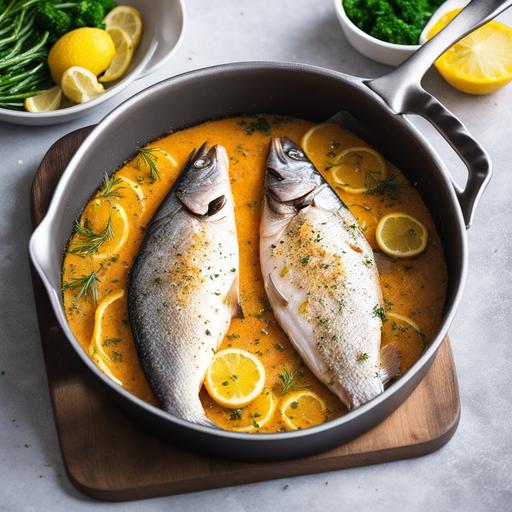
How To Bake Fish In Air Fryer [FULL GUIDE]
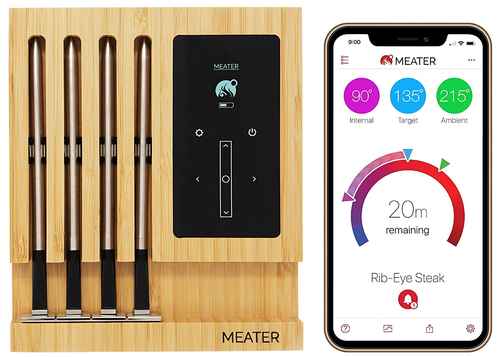
Recommended Equipments:
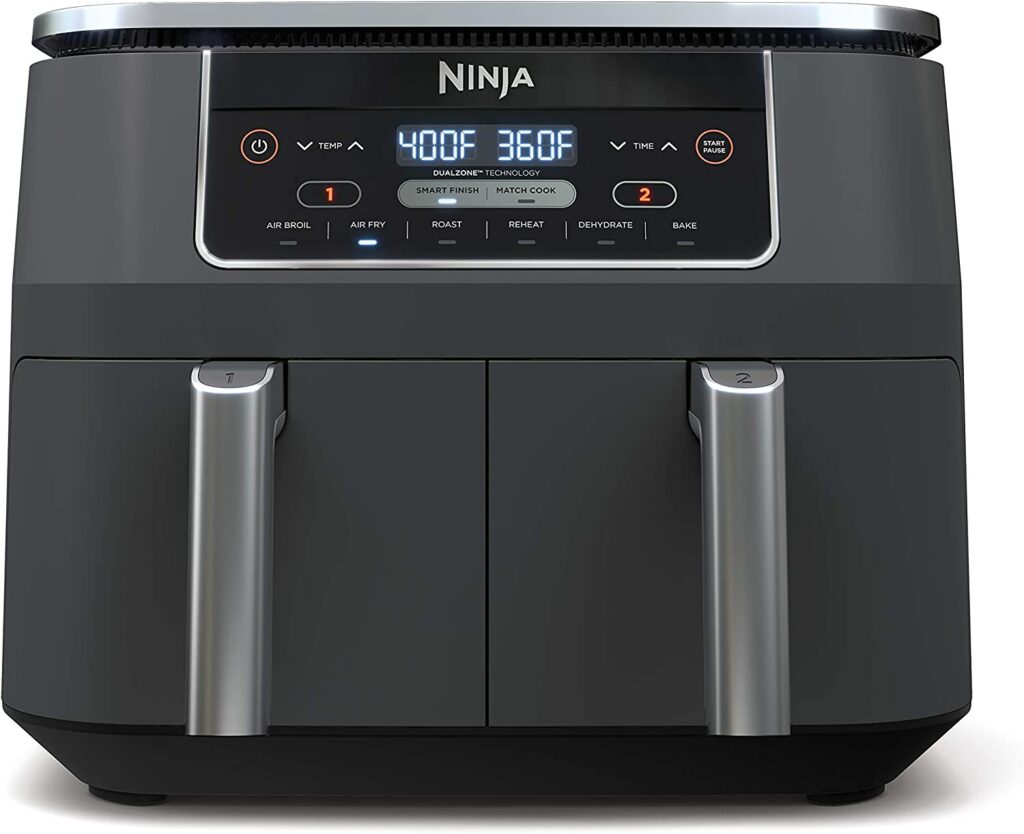
Baking fish in an air fryer is a modern culinary marvel, offering a harmonious blend of convenience, speed, and flavor. The air fryer, with its rapid circulation of hot air, creates a crispy exterior while keeping the fish moist and tender on the inside, a feat that can be challenging in conventional ovens. Whether you are preparing delicate fillets like tilapia or heartier options such as salmon, the air fryer provides a hands-off, efficient cooking method that preserves the nutritional integrity of the fish. Understanding the nuances of temperature, timing, and technique is crucial to achieving that perfect golden-brown finish and flaky interior, making every bite a culinary delight.
Optimal Air Fryer Temperature To Bake Fish In Air Fryer
The temperature at which fish is baked in an air fryer directly affects its texture, moisture content, and flavor. Most fish fillets thrive at a temperature range of 350°F to 400°F (175°C to 200°C). Cooking at the lower end, around 350°F, allows for gentle cooking, reducing the risk of drying out delicate fillets. Conversely, temperatures closer to 400°F produce a lightly crispy exterior, giving a satisfying texture contrast with the tender interior. Thicker fillets, such as cod or salmon steaks, often benefit from slightly higher temperatures to ensure they are thoroughly cooked, while thinner fillets like sole or tilapia may fare better at lower temperatures to avoid overcooking.
How Long To Bake Fish In Air Fryer
The cooking time is influenced by both the type and thickness of the fish. As a general guideline:
- Thin fillets (0.5 inch thick): 7-9 minutes at 375°F
- Medium fillets (1 inch thick): 10-12 minutes at 375°F
- Thick fillets or steaks (1.5-2 inches): 12-15 minutes at 375°F
It’s important to flip the fish halfway through cooking for even browning, although some thinner fillets may cook evenly without flipping. Timing is essential; overcooking can lead to a dry, stringy texture, while undercooking can leave the center raw and unsafe to eat.
How To Tell If It Is Done
Perfectly baked fish is visually and texturally distinct. Key indicators include:
- Flakiness: Use a fork to gently pull at the thickest part of the fillet. If the fish flakes easily, it is done.
- Opacity: Raw fish is translucent; cooked fish becomes opaque and firm.
- Internal Temperature: For precise accuracy, use a food thermometer. Fish is safely cooked at 145°F (63°C) internally.
- Juice Clarity: If you press lightly, the juices should run clear, not milky or gelatinous.
Observing these signs prevents overcooking while ensuring the fish is safe to consume.
Ingredients Needed
To prepare air-fried fish, you’ll need minimal ingredients for a flavorful result:
- Fish fillets (salmon, cod, tilapia, or trout)
- Olive oil or cooking spray
- Salt and pepper
- Optional seasonings: garlic powder, paprika, lemon zest, dried herbs (thyme, dill, or parsley)
- Lemon wedges for serving
These ingredients allow for versatile flavoring while keeping the fish light and healthy.
How To Bake Fish In Air Fryer
- Preheat the Air Fryer: Set to 375°F for 3-5 minutes to ensure even cooking.
- Prepare the Fish: Pat the fillets dry with a paper towel. Lightly brush or spray with olive oil, then season with salt, pepper, and optional spices.
- Arrange in Basket: Place fillets in a single layer, leaving space between pieces to allow hot air circulation.
- Cook: Bake for the recommended time based on thickness, flipping halfway if needed.
- Check Doneness: Use the flakiness, opacity, or internal temperature method.
- Serve: Garnish with lemon wedges and fresh herbs for added flavor.
What If I Use A Different Air Fryer Temperature?
Adjusting the temperature has direct consequences:
- Higher Temperature (400-425°F): Faster cooking, crispier exterior, risk of dry interior if not monitored closely.
- Lower Temperature (325-350°F): Gentler cooking, more even heat penetration, ideal for delicate fillets, but requires longer cooking time.
Fine-tuning the temperature depends on fish type, thickness, and personal preference for crispiness.
What If I Use A Different Air Fryer Cooking Time?
Cooking time impacts texture and moisture:
- Shorter Cooking Time: Risk of undercooked, translucent fish, potentially unsafe.
- Longer Cooking Time: Overcooked, dry, stringy fish that loses natural flavors.
The key is balancing time and temperature to match the fillet’s thickness. Always monitor closely and use a thermometer if uncertain.
When Things Go Wrong
Common air fryer mishaps include:
- Fish sticking to the basket: Solution: Use parchment paper or a light oil spray.
- Uneven cooking: Ensure fillets are not overlapping and flip halfway through cooking.
- Dry fish: Reduce temperature slightly or decrease cooking time; brush with olive oil before baking.
- Overly browned exterior but raw center: Lower temperature and extend cooking time for thicker fillets.
Addressing these issues prevents frustration and consistently yields excellent results.
Expert Tips
- Pat Dry Fillets: Moisture on the fish’s surface can prevent browning and lead to uneven cooking.
- Single Layer: Overcrowding the basket blocks airflow, resulting in soggy or unevenly cooked fish.
- Preheat the Air Fryer: Ensures consistent heat distribution and reduces cooking time.
- Experiment with Marinades: Acidic marinades (lemon, vinegar) tenderize fish but limit marinating to 30 minutes to avoid ’cooking’ the fish before air frying.
- Check Early: Air fryers vary; begin checking doneness a minute or two before the recommended time.
FAQs
What Types Of Fish Are Best For Baking In An Air Fryer?
Firm, flaky fish such as salmon, cod, tilapia, halibut, and trout work best for air frying. These types hold their shape well during cooking and develop a crisp exterior while remaining moist inside. Avoid very delicate fish like sole or flounder, which may break apart easily.
Do I Need To Preheat The Air Fryer Before Baking Fish?
Preheating the air fryer is recommended for even cooking and optimal crispiness. Preheat your air fryer to the desired temperature, usually between 350°F to 400°F (175°C to 200°C), for 3 to 5 minutes before placing the fish inside.
Should I Season Or Marinate The Fish Before Air Frying?
Yes, seasoning or marinating enhances flavor. You can use a simple mixture of salt, pepper, lemon juice, and herbs, or a marinade with olive oil, garlic, and spices. Pat the fish dry before seasoning to help it crisp properly.
How Long Does It Take To Bake Fish In An Air Fryer?
Cooking time depends on the thickness and type of fish. Generally, fillets 1-inch thick take 8-12 minutes at 375°F (190°C), flipping halfway through. Thicker pieces or whole small fish may require 12-15 minutes.
Do I Need To Use Oil When Air Frying Fish?
Using a light coating of oil is recommended to prevent sticking and promote browning, but excessive oil is unnecessary. Brushing both sides with 1 teaspoon of oil or spraying lightly with cooking spray is usually sufficient.
How Can I Tell If The Fish Is Fully Cooked?
The fish is done when it reaches an internal temperature of 145°F (63°C) and flakes easily with a fork. The flesh should be opaque and firm, and any juices should run clear.
Can I Cook Frozen Fish In An Air Fryer?
Yes, frozen fish can be air fried without thawing, but cooking times will be slightly longer. Preheat the air fryer, lightly oil the frozen fillets, and cook at 375°F (190°C) for 12-18 minutes, flipping halfway, until the fish is thoroughly cooked and crispy.