
How To Cook Bacon Wrapped Chicken Breast In Air Fryer [FULL GUIDE]
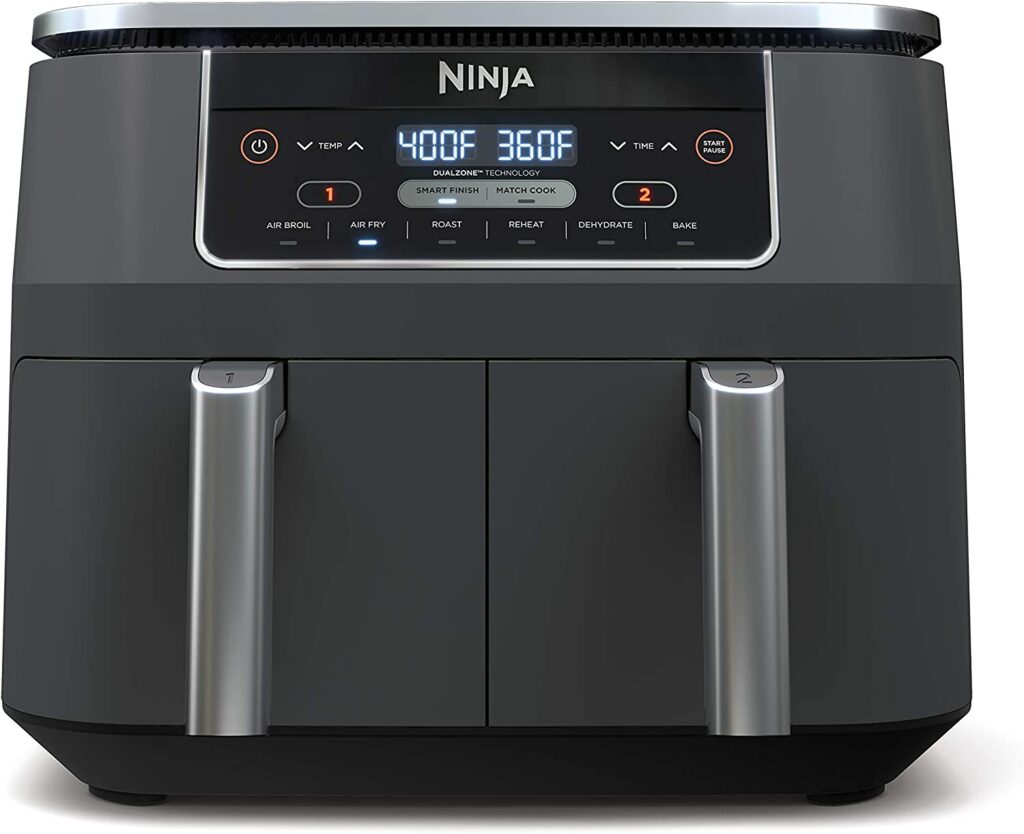
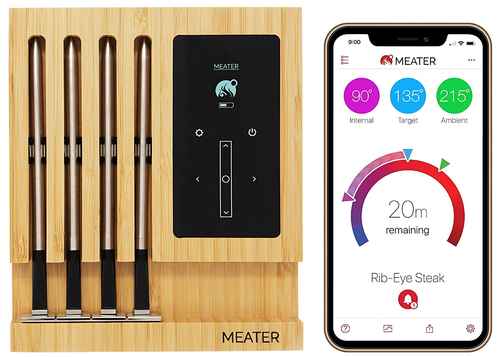
Recommended Equipments:
Bacon-wrapped chicken breast is a timeless combination: tender, juicy poultry enveloped in crisp, smoky bacon. When prepared in an air fryer, this pairing becomes even more irresistible. The circulating hot air renders the bacon beautifully while keeping the chicken moist, resulting in a dish that tastes slow-cooked but takes only a fraction of the time. This method is especially appealing for weeknight meals or special occasions when you want impressive results with minimal effort. The following guide breaks down everything you need to know to achieve perfectly cooked bacon-wrapped chicken breasts using your air fryer, from ideal temperatures and precise timings to troubleshooting and expert tips.
Optimal Air Fryer Temperature To Cook Bacon Wrapped Chicken Breast In Air Fryer
The optimal temperature for cooking bacon-wrapped chicken breast in an air fryer is 375°F (190°C). This setting strikes the ideal balance between thoroughly cooking the chicken and crisping the bacon without burning it.
At lower temperatures, the bacon renders slowly and risks becoming rubbery by the time the chicken reaches a safe internal temperature. At higher temperatures, the bacon may darken too quickly, leaving the interior undercooked. The 375°F benchmark consistently produces bacon that is crisp yet pliable, while ensuring the chicken breast cooks evenly from edge to center.
How Long To Cook Bacon Wrapped Chicken Breast In Air Fryer
At 375°F (190°C), you should cook bacon-wrapped chicken breast for 18 to 22 minutes, depending on thickness and how tightly the bacon is wrapped.
A breakdown:
- Thin or lightly wrapped chicken breasts: 18-20 minutes
- Average-sized boneless breasts with a full bacon wrap: 20-22 minutes
- Extra-large or stuffed chicken breasts: 22-25 minutes
Turn the chicken halfway through cooking. This encourages even browning of the bacon and prevents the bottom edges from steaming or remaining pale.
Always verify doneness with a thermometer or visual cues (covered below), as breast size and air fryer models vary.
How To Tell If It Is Done
Bacon-wrapped chicken breast is fully cooked when:
-
Internal Temperature Reaches 165°F (74°C)
This is the most reliable measurement. Insert a meat thermometer into the thickest portion of the chicken, avoiding the bacon layer, which can skew readings.
-
The Juices Run Clear
When pierced, the chicken should release clear or faintly golden juices, not pink or cloudy liquid.
-
The Bacon Appears Crisp And Fully Rendered
While crispness is partly a texture preference, under-rendered bacon often indicates insufficient cooking time.
-
The Chicken Feels Firm But Not Dry
A gentle press with tongs should reveal slight resistance without feeling rubbery or mushy.
Ingredients Needed
To prepare exceptional bacon-wrapped chicken breasts, you will need:
- 2-4 boneless, skinless chicken breasts (medium size recommended)
- 6-12 strips of bacon (regular-cut; thick-cut takes longer)
- 1-2 tablespoons olive oil or melted butter
-
Seasonings such as:
- Salt
- Black pepper
- Garlic powder
- Onion powder
- Smoked paprika
- Italian seasoning or poultry seasoning (optional)
- Toothpicks (optional, to secure bacon during cooking)
Optional upgrades:
- A drizzle of honey, maple syrup, or a barbecue glaze for a caramelized exterior
- A sprinkle of fresh herbs like rosemary or parsley, added after cooking
- Cream cheese or spinach for a stuffed variation
How To Cook Bacon Wrapped Chicken Breast In Air Fryer
-
Prepare The Chicken Breasts
Pat dry to remove excess moisture for better browning. Brush lightly with olive oil or melted butter for a richer crust.
-
Season Generously
Coat all sides of the chicken with your chosen seasoning blend. Focus on bold flavors that complement the saltiness of the bacon.
-
Wrap With Bacon
Lay bacon strips side-by-side on a surface, slightly overlapping. Place the chicken at one end and roll, ensuring the bacon fully encases the breast. Tuck the ends under or secure with toothpicks.
-
Preheat The Air Fryer To 375°F (190°C)
Preheating helps the bacon begin crisping immediately instead of steaming.
-
Place In The Air Fryer Basket
Position breasts seam side down, leaving space between each piece to promote airflow.
-
Cook For 18-22 Minutes
Turn once halfway through. If the bacon appears pale near the end, cook an additional 2-4 minutes.
-
Check Internal Temperature
Remove when the thickest part reaches 165°F (74°C).
-
Rest For 3-5 Minutes
This allows juices to redistribute and enhances tenderness.
What If I Use A Different Air Fryer Temperature?
Altering the temperature changes both the texture and timing:
-
At 350°F (177°C)
The chicken cooks without risk of over-browning the bacon. However, the bacon may be softer, and cook time increases to 22-26 minutes.
-
At 400°F (204°C)
The bacon crisps quickly, making this setting suitable if you prefer an especially crunchy exterior. But you must watch closely: the bacon may burn while the chicken interior remains slightly underdone. Cook time decreases to 15-18 minutes.
-
Below 325°F (163°C)
Not recommended. The bacon releases fat too slowly and can become rubbery.
What If I Use A Different Air Fryer Cooking Time?
Cooking for a shorter or longer period will directly impact both food safety and texture:
-
Shorter Cook Time
The chicken risks being undercooked, especially in the center, even if the bacon appears crisp. This can also result in uneven texture.
-
Longer Cook Time
While the bacon may become firmer or darker, the chicken itself can begin to dry out. Over-cooking leads to a chalky texture and reduced moisture retention.
Adjust timing only when you’re certain of differences in breast thickness or when following a custom recipe variation. Always verify doneness with a thermometer.
When Things Go Wrong
Common issues and how to fix them:
-
Bacon Not Crisping
Increase temperature to 390°F for the last 2-3 minutes. Do not overdo it, as the bacon can darken rapidly.
-
Chicken Coming Out Dry
Reduce cook time slightly next time or use a marinade beforehand. Also consider adding a strip of thick-cut bacon for enhanced moisture retention.
-
Bacon Unraveling
Secure with toothpicks or tuck ends firmly under the chicken.
-
Exterior Burning, Interior Raw
Lower temperature to 360-370°F and cook longer. This slows browning while allowing interior heat penetration.
-
White Smoke From The Air Fryer
This happens when bacon fat pools. Place a slice of bread or a small parchment piece in the drawer beneath the basket to catch the drippings.
Expert Tips
- Choose uniform-sized chicken breasts to ensure consistent cooking.
- For maximum juiciness, brine the chicken for 20-30 minutes in saltwater before cooking.
- Avoid using thick-cut bacon unless you increase the cook time, as it renders more slowly.
- Elevate flavor by adding a dry rub to the chicken before wrapping.
- Preheat the air fryer every time for more predictable results.
- If making multiple batches, reduce cooking time for later batches because the air fryer stays hotter.
- For premium crispness, pat the bacon dry before wrapping to remove excess moisture.
FAQs
What Temperature Should I Set My Air Fryer To For Bacon Wrapped Chicken Breast?
For perfectly cooked bacon wrapped chicken breast, preheat your air fryer to 375°F (190°C). This temperature allows the chicken to cook evenly while the bacon crisps without burning.
How Long Should Bacon Wrapped Chicken Breast Cook In An Air Fryer?
Cook the chicken breast for approximately 20-25 minutes, flipping halfway through. Cooking time may vary slightly depending on the thickness of the chicken and the size of the air fryer.
Do I Need To Thaw The Chicken Before Air Frying?
Yes, it is recommended to use fully thawed chicken breasts. Cooking frozen chicken wrapped in bacon can lead to uneven cooking and may prevent the bacon from crisping properly.
Should I Use Any Seasoning Or Marinade Before Wrapping The Chicken With Bacon?
Yes, seasoning the chicken with salt, pepper, garlic powder, paprika, or your preferred spices enhances flavor. Optionally, a light marinade before wrapping with bacon can also add moisture and taste.
Can I Cook Multiple Bacon Wrapped Chicken Breasts At The Same Time In An Air Fryer?
Yes, but avoid overcrowding the basket. Make sure there is space between each chicken breast for proper air circulation, ensuring even cooking and crisping of the bacon.
How Can I Tell If The Chicken Is Fully Cooked?
Use a meat thermometer to check the internal temperature. Chicken is fully cooked when it reaches 165°F (74°C) in the thickest part. The bacon should also be crispy and golden brown.
Is It Necessary To Flip The Chicken Halfway Through Cooking?
Flipping the chicken halfway through ensures that both the bacon and chicken cook evenly. It helps prevent one side from burning while the other side remains undercooked.