
How To Cook Bagels And Eggs In Air Fryer [FULL GUIDE]
Recommended Equipments:
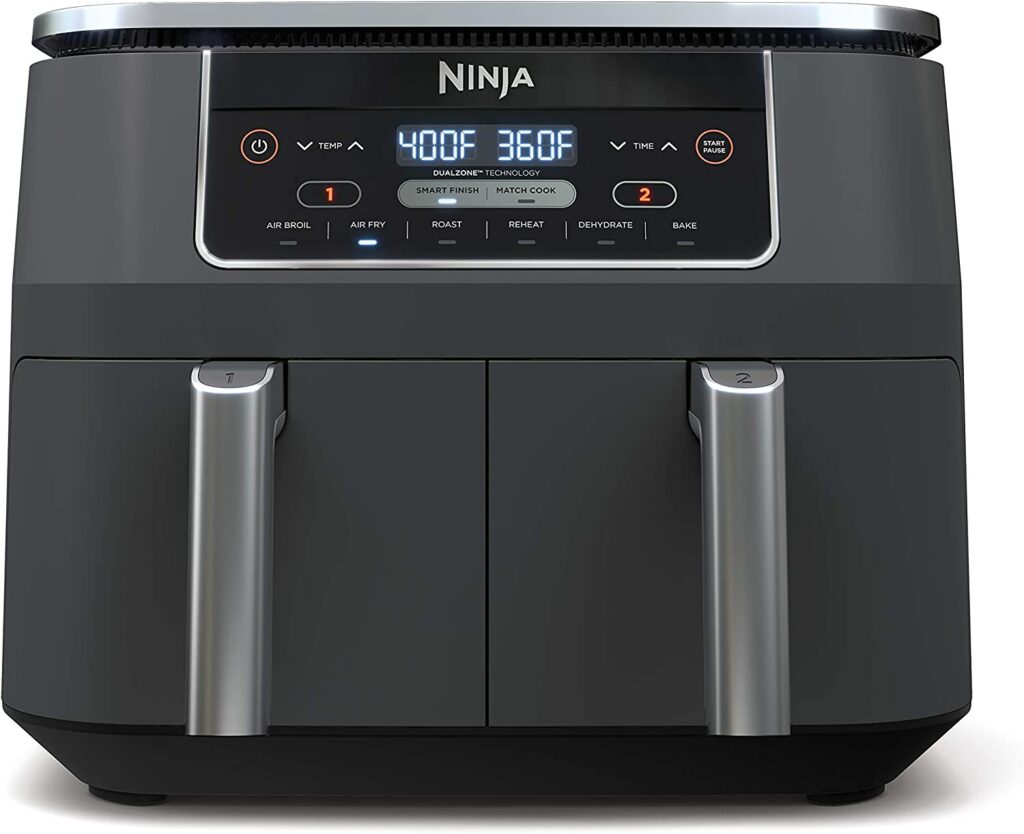
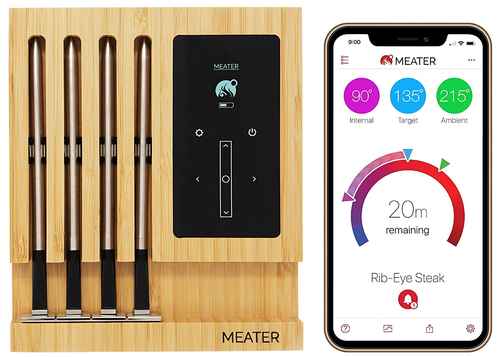
Air fryers have revolutionized the way we approach quick, convenient, and healthier cooking. With their ability to circulate hot air rapidly, they create a crisp exterior without the need for excessive oil, making them ideal for breakfast staples like bagels and eggs. Combining these two favorites-soft, chewy bagels and perfectly cooked eggs-into one air fryer-friendly breakfast is not only practical but also elevates a simple meal into a satisfying, restaurant-quality experience. Understanding the nuances of temperature, timing, and technique is crucial to achieving that ideal texture: a bagel with a lightly toasted crust and a tender, fluffy egg cooked just right.
Optimal Air Fryer Temperature To Cook Bagels And Eggs In Air Fryer
Choosing the correct temperature is the foundation of success. For bagels and eggs, the goal is twofold: achieve a golden, slightly crisp exterior on the bagel while cooking the egg evenly without overcooking or turning it rubbery.
- Bagels: A temperature range of 350°F to 375°F is ideal. This allows the bagel’s surface to crisp gently while keeping the interior soft. Too high a temperature risks burning the outside before the inside is warmed through.
- Eggs: Eggs are sensitive to high heat. Cooking at around 320°F to 350°F allows for gradual coagulation, yielding a creamy yolk and tender white without any toughness.
Combining both ingredients, a balanced temperature of 350°F works best, providing even heat distribution and satisfying results for both components simultaneously.
How Long To Cook Bagels And Eggs In Air Fryer
Cooking time varies slightly depending on the size and thickness of your bagel and the style of egg you prefer:
- Bagels: Typically, 4-5 minutes is sufficient to toast a standard-sized bagel slice. For a softer interior, slightly reduce the time to 3-4 minutes.
-
Eggs: Depending on whether you are cooking a fried egg, scrambled egg, or even a mini omelet in a ramekin, cook times vary:
- Fried egg: 4-5 minutes
- Scrambled eggs: 6-7 minutes
- Eggs in a ramekin or mini muffin cup: 7-8 minutes
When cooking them together, aim for 5-6 minutes at 350°F, checking midway to ensure even doneness.
How To Tell If It Is Done
Checking for doneness in an air fryer is both visual and tactile:
- Bagels: Look for a lightly golden-brown crust on the top and slightly crisp edges. Press gently in the center-if it springs back, the interior is soft but cooked.
- Eggs: Whites should be fully opaque, with no liquid remaining, and yolks should be set according to your preference. A slightly jiggle in the yolk indicates a soft center; fully firm indicates hard-cooked.
Always remember that air fryer models vary, so visual cues are more reliable than strictly adhering to time alone.
Ingredients Needed
For a simple yet delicious air-fried breakfast, you’ll need:
- 1 bagel, halved (plain, sesame, or your preferred variety)
- 1-2 eggs
- Cooking spray or a light brush of butter/oil
- Optional toppings: salt, pepper, shredded cheese, smoked salmon, or avocado
How To Cook Bagels And Eggs In Air Fryer
- Preheat your air fryer to 350°F for 3-5 minutes.
- Prepare the bagel: Lightly spray or brush with oil or butter. Place it cut-side up in the air fryer basket.
- Cook the egg: For fried eggs, crack the egg into a small, heatproof ramekin or silicone cup. For scrambled eggs, whisk and pour into a ramekin.
- Air fry together: Place the bagel halves and egg ramekins in the basket without overlapping. Cook at 350°F for 5-6 minutes.
- Check doneness: Ensure bagels are golden and eggs are cooked to preference. Adjust cooking time if necessary.
- Assemble and serve: Place the egg atop the bagel, add optional toppings, and enjoy immediately.
What If I Use A Different Air Fryer Temperature?
Altering the temperature changes the cooking dynamics:
- Lower temperature (300-325°F): Bagels may take longer to toast, and eggs may cook more evenly but require more patience.
- Higher temperature (375-400°F): Bagels can brown quickly, risking burnt crust before the egg is fully cooked. Eggs may cook unevenly, becoming rubbery or overdone on the edges.
Adjusting temperature requires corresponding adjustments to time to maintain balance.
What If I Use A Different Air Fryer Cooking Time?
Time adjustments also impact texture and doneness:
- Shorter cooking time: Bagels may remain soft without sufficient browning; eggs may be undercooked.
- Longer cooking time: Bagels can become too hard or overly toasted; eggs may become rubbery, especially if cooked beyond 8 minutes.
Always monitor halfway through to ensure neither ingredient overcooks.
When Things Go Wrong
Even with experience, mishaps happen:
- Undercooked eggs: Return to the air fryer for 1-2 additional minutes. Avoid leaving them too long, or they become rubbery.
- Over-toasted bagels: Remove immediately and consider serving with a moist topping like cream cheese to soften the crust.
- Uneven cooking: Rotate or rearrange items in the basket halfway through cooking for uniform results.
Learning from these minor setbacks helps refine your technique.
Expert Tips
- Preheat your air fryer: Ensures consistent cooking from the start.
- Use small ramekins or silicone cups: Keeps eggs contained and prevents spills.
- Lightly oil bagels: Promotes golden crisping without drying out.
- Check halfway: Reduces the risk of overcooking and allows for mid-course adjustments.
- Experiment with toppings: Cheese, herbs, or avocado can elevate flavor dramatically.
FAQs
Can I Cook Bagels And Eggs Together In The Air Fryer?
Yes, you can cook bagels and eggs together, but it depends on the size of your air fryer basket. Bagels can be toasted directly in the basket, while eggs can be cooked in a small, heatproof ramekin or silicone cup. Ensure there is enough space for proper air circulation to achieve even cooking.
What Temperature Should I Use To Cook Bagels In An Air Fryer?
For bagels, set the air fryer to 350°F (175°C). Toasting typically takes 3-5 minutes, depending on the bagel’s size and your desired level of crispiness. Check halfway through to prevent burning.
How Do I Cook Eggs In The Air Fryer Without Them Sticking?
Use a lightly greased ramekin, silicone cup, or parchment paper to prevent sticking. You can also spray the basket with a non-stick cooking spray. Cooking times vary by egg type: for scrambled eggs, whisk them and cook at 300-320°F (150-160°C) for 6-8 minutes, stirring halfway; for fried eggs, cook at 320°F (160°C) for 5-7 minutes.
Can I Cook A Bagel With Toppings Like Cheese Or Avocado In The Air Fryer?
Yes, but timing matters. Toast the bagel first for 3-4 minutes, then add cheese or toppings and return it to the air fryer for an additional 1-2 minutes to melt the cheese or warm the toppings. Delicate toppings like avocado should be added after cooking to avoid drying out or browning.
How Long Does It Take To Cook Both Bagels And Eggs In The Air Fryer?
Cooking times depend on your air fryer model and the egg style. Toasting a bagel usually takes 3-5 minutes, while eggs take 5-8 minutes. If cooking simultaneously, consider placing eggs in a ramekin first and bagels in the basket above or beside them, then cook for 6-8 minutes at 320-350°F, checking midway for even cooking.
Do I Need To Preheat The Air Fryer Before Cooking Bagels And Eggs?
Preheating is recommended for consistent results. Preheat the air fryer for 2-3 minutes at the desired cooking temperature (usually 320-350°F). This helps the bagel toast evenly and ensures eggs cook thoroughly without undercooked centers.
Can I Use Frozen Bagels And Eggs In The Air Fryer?
Yes, frozen bagels can be toasted directly in the air fryer; add 1-2 minutes to the usual toasting time. For eggs, it’s best to thaw or use fresh eggs, as frozen eggs in shells or pre-cooked frozen eggs may cook unevenly or release excess water, affecting texture.