How To Cook Beef Jerky In Air Fryer [FULL GUIDE]
Recommended Equipments:
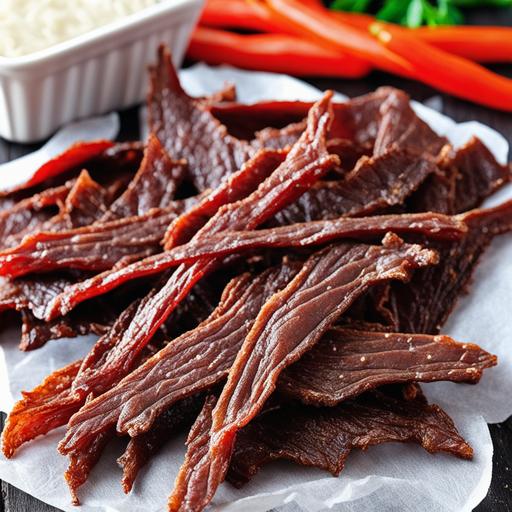
Beef jerky is more than just a protein-packed snack; it is a culinary marvel of preservation and flavor concentration. Traditionally, jerky was made by drying strips of meat over low heat or smoke, a method that has been honed over centuries. Today, the air fryer has revolutionized this process, making it quicker, safer, and incredibly convenient, while still allowing the meat to retain its rich, savory taste. Cooking beef jerky in an air fryer allows for precise temperature control, uniform drying, and reduced cooking time compared to conventional oven or smoker methods. However, achieving the perfect texture-chewy yet tender, flavorful yet not overly salty-requires understanding the delicate balance between temperature, time, and technique. This guide will take you through every step in meticulous detail, ensuring your homemade beef jerky emerges perfectly seasoned, evenly cooked, and irresistibly appetizing.
Optimal Air Fryer Temperature To Cook Beef Jerky In Air Fryer
The key to perfect beef jerky lies in the temperature. Air fryers are designed to circulate hot air rapidly, which means meat dries faster than in a conventional oven. However, this rapid drying can also lead to uneven cooking or overly tough jerky if the temperature is too high.
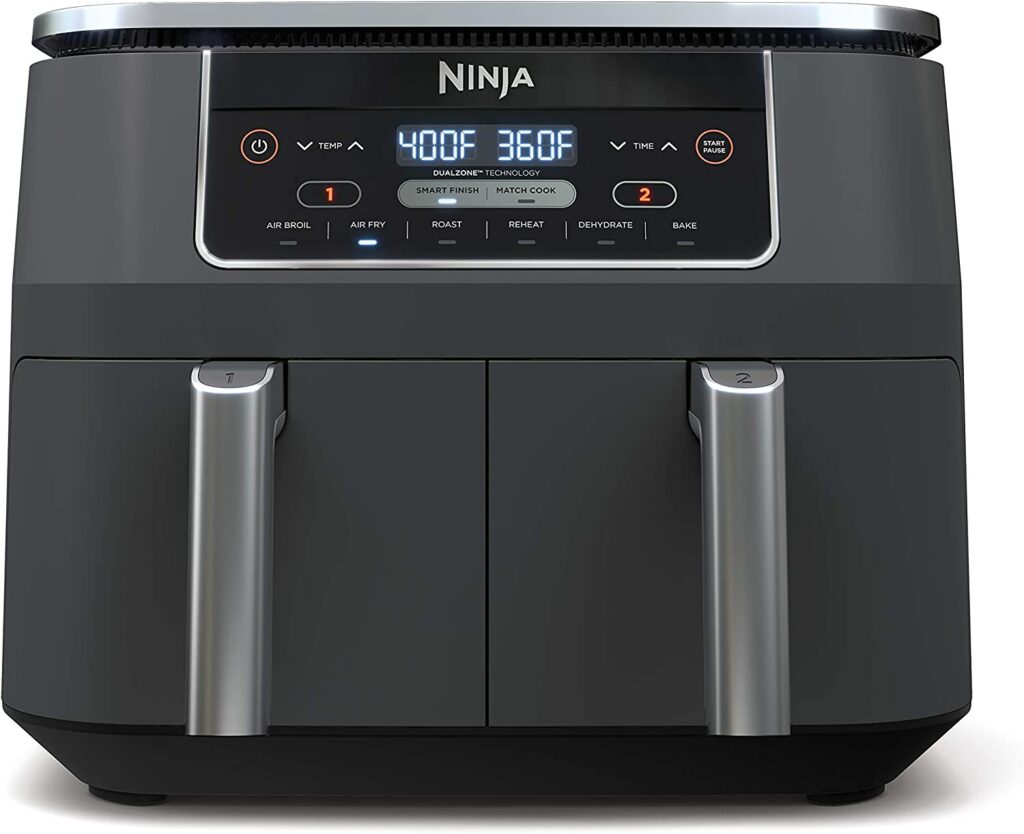
For most air fryers, a temperature of 160-180°F (70-82°C) is ideal for drying beef. This range is low enough to allow the meat to dehydrate slowly, preserving tenderness, while high enough to reduce the risk of bacterial contamination. If your air fryer does not go as low as 160°F, the next best approach is to cook at the lowest possible setting, frequently monitoring the jerky to prevent overcooking.
Temperatures above 185°F (85°C) can cause the exterior to dry too quickly, forming a hard crust that traps moisture inside, which may lead to uneven texture and longer overall drying time. Conversely, temperatures below 150°F (65°C) can leave the meat in the ’danger zone’ for bacterial growth, so caution is needed if attempting ultra-low temperature drying.
How Long To Cook Beef Jerky In Air Fryer
Cooking time varies depending on the thickness of your meat strips, the type of beef used, and the specific air fryer model. On average:
- Thin strips (1/8-1/4 inch thick): 2-3 hours
- Medium strips (1/4-3/8 inch thick): 3-4 hours
- Thicker strips (3/8-1/2 inch thick): 4-5 hours
Air fryers tend to cook more efficiently than ovens due to rapid hot air circulation, so jerky may finish slightly faster than expected. It’s crucial to rotate or rearrange the meat halfway through cooking to ensure uniform drying. Some modern air fryers allow for ’dehydrate’ settings that automate airflow and temperature for optimal results.
How To Tell If It Is Done
Properly cooked beef jerky should be:
- Dry but pliable: Bend a strip gently; it should crack slightly but not break in half.
- Evenly colored: The meat should have a consistent dark brown hue, without any raw or pink spots.
- Firm to the touch: Squeeze the jerky; it should feel firm yet retain a slight chewiness.
- Not greasy or moist: Any residual moisture may indicate undercooking, which could compromise shelf life.
If the jerky tears easily or feels brittle, it has likely overcooked. Under-dried jerky may appear soft, sticky, or spongy.
Ingredients Needed
For a classic beef jerky recipe:
- 1 lb (450 g) lean beef (top round, flank steak, or sirloin)
- 1/4 cup soy sauce
- 2 tablespoons Worcestershire sauce
- 1 teaspoon black pepper
- 1 teaspoon smoked paprika
- 1 teaspoon garlic powder
- 1 teaspoon onion powder
- 1-2 teaspoons brown sugar or honey (optional, for a touch of sweetness)
- Optional chili flakes or cayenne pepper for heat
Marinating your meat for 6-24 hours enhances flavor absorption, tenderizes the meat, and helps with even drying.
How To Cook Beef Jerky In Air Fryer
- Prepare the Meat: Trim all fat from the beef, then slice into strips 1/8-1/4 inch thick, cutting against the grain for tenderness or with the grain for chewier texture.
- Marinate: Combine all ingredients in a bowl, then add beef strips. Cover and refrigerate for 6-24 hours.
- Preheat Air Fryer: Set temperature to 160-180°F (70-82°C).
- Arrange Strips: Lay beef strips in a single layer in the air fryer basket, ensuring they don’t overlap. If needed, cook in batches.
- Cook: Dry the meat for 2-5 hours depending on thickness. Flip or rotate halfway for even drying.
- Test for Doneness: Use the bend-and-break method or check texture as described above.
- Cool and Store: Let jerky cool to room temperature, then store in an airtight container or vacuum-sealed bag. Properly dried jerky can last 1-2 weeks at room temperature or longer if refrigerated.
What If I Use A Different Air Fryer Temperature?
Adjusting temperature will affect texture and drying time:
- Lower than 160°F: Prolonged drying; may risk bacterial growth if too low.
- Higher than 180°F: Faster drying, but jerky may become overly hard, unevenly cooked, or burnt on edges.
The general rule: lower temperature = slower, more even drying; higher temperature = faster, but riskier texture.
What If I Use A Different Air Fryer Cooking Time?
- Shorter time: Meat may be undercooked, moist, and unsafe to eat.
- Longer time: Jerky becomes brittle, tough, or overly dry.
Always check periodically, especially when experimenting with new air fryer models or cut thicknesses.
When Things Go Wrong
- Jerky is too soft: Likely undercooked. Return to air fryer at low temperature in short intervals until dry.
- Jerky is too hard: Overcooked. Try slightly thicker cuts next time or reduce cooking time.
- Uneven drying: Rotate and flip meat during cooking; ensure air circulation is not blocked.
- Off flavors: Marinate longer or adjust seasonings. Avoid excessive sugar at high temperatures, as it may caramelize and burn.
Expert Tips
- Uniform strips: Consistent thickness ensures even drying.
- Pat meat dry before air frying: Reduces excess moisture and speeds up cooking.
- Use wire racks: Elevate meat for optimal air circulation.
- Experiment with marinades: Add liquid smoke, teriyaki sauce, or pepper flakes for unique flavors.
- Store properly: Use airtight containers or vacuum sealing to preserve flavor and texture.
FAQs
What Type Of Beef Is Best For Making Jerky In An Air Fryer?
Lean cuts of beef are ideal for air fryer jerky because they contain less fat, which can cause uneven drying and spoilage. Common choices include top round, eye of round, sirloin tip, and flank steak. Trim all visible fat before slicing to ensure the jerky dries properly.
How Should I Slice The Beef For Air Fryer Jerky?
Slice the beef against the grain for a more tender jerky, or with the grain if you prefer a chewier texture. Aim for slices about 1/8 to 1/4 inch thick. Freezing the meat for 30-60 minutes before slicing can make it easier to cut thin, uniform pieces.
Do I Need To Marinate The Beef Before Air Frying?
Yes, marinating adds flavor and helps tenderize the meat. A typical marinade includes soy sauce, Worcestershire sauce, salt, pepper, garlic, onion powder, and optional sweeteners like honey or brown sugar. Marinate in the refrigerator for at least 4 hours, preferably overnight.
What Temperature And Cooking Time Should I Use In An Air Fryer?
Set the air fryer to 160°F to 175°F (70°C to 80°C) if your air fryer supports low temperatures; otherwise, use the lowest available setting. Cook the jerky for 2-4 hours, flipping halfway through. The exact time depends on slice thickness, meat type, and air fryer model. Jerky should be dry but still slightly pliable.
Do I Need To Preheat The Air Fryer?
Preheating is not strictly necessary for jerky, but preheating for 2-3 minutes can help achieve more even drying. Since the process is slow, the initial temperature difference is minor compared to baking or frying.
How Can I Tell When The Beef Jerky Is Done?
Finished jerky should be firm, dry to the touch, and slightly flexible when bent. It should not snap like a brittle chip. Check a few pieces by breaking one in half; the inside should be dry but not raw or overly moist.
How Should I Store Air Fryer Beef Jerky?
Store cooled jerky in an airtight container or resealable bag at room temperature for up to 2 weeks. For longer storage, keep it in the refrigerator for 1-2 months or freeze for up to 6 months. Ensure jerky is fully dried before storage to prevent mold.