How To Cook Beef Tenderloin In Air Fryer [FULL GUIDE]
Recommended Equipments:
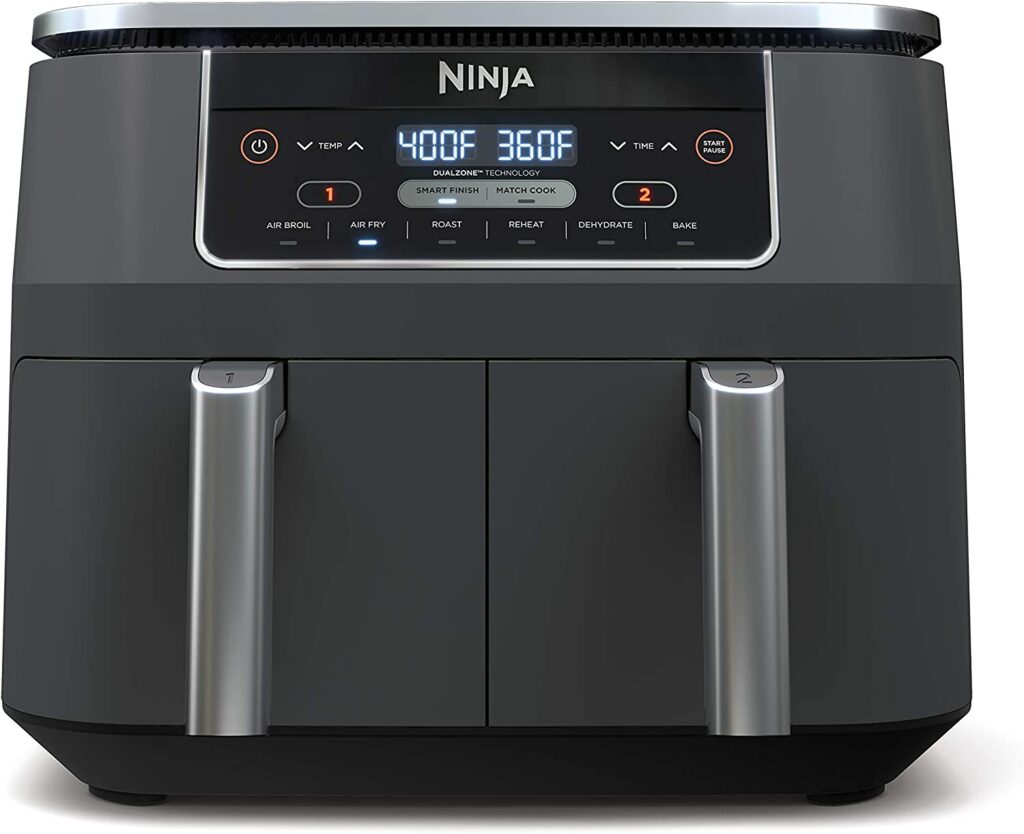
Beef tenderloin, often regarded as the crown jewel of cuts, is prized for its extraordinary tenderness, fine texture, and delicate flavor. Unlike other cuts, tenderloin boasts minimal fat, which means it requires careful handling to ensure it remains succulent and juicy. Traditional methods of roasting or pan-searing are classic, but the rise of air fryers has transformed home cooking, allowing even novice cooks to achieve a perfectly cooked, evenly browned tenderloin with minimal effort. Air frying offers the perfect balance: high heat circulation ensures a crisp, caramelized exterior, while the controlled environment keeps the interior tender and flavorful. Cooking beef tenderloin in an air fryer is an art that balances temperature, time, and observation, delivering restaurant-quality results right in your kitchen.
Optimal Air Fryer Temperature To Cook Beef Tenderloin In Air Fryer
Temperature is the most critical factor in air frying beef tenderloin. The optimal range is 400°F (204°C) for achieving a beautifully seared exterior while gently cooking the center to your desired level of doneness. This temperature allows the Maillard reaction-a chemical reaction between amino acids and reducing sugars-to occur, creating that rich, browned crust without overcooking the tender interior.
For those seeking medium-rare perfection, slightly lower temperatures around 375°F (190°C) can provide more control, reducing the risk of overcooking. Conversely, for a more well-done tenderloin, some chefs may briefly increase the temperature toward the end of cooking to achieve a deeper crust while monitoring internal temperature carefully. The key is maintaining steady heat and avoiding sudden, extreme temperature changes that could dry out this lean cut.
How Long To Cook Beef Tenderloin In Air Fryer
Cooking time in an air fryer varies depending on the size and thickness of the tenderloin, as well as the desired doneness. A general guideline for a 1-pound beef tenderloin roast at 400°F (204°C) is approximately:
- Rare (125°F / 52°C): 12-14 minutes
- Medium-Rare (135°F / 57°C): 14-18 minutes
- Medium (145°F / 63°C): 18-22 minutes
- Medium-Well (150-155°F / 66-68°C): 22-26 minutes
- Well-Done (160°F / 71°C+): 26-30 minutes
Air fryers cook more rapidly than traditional ovens due to their concentrated heat and circulating air. Therefore, it’s essential to check internal temperatures early to avoid overcooking. Rotating or flipping the tenderloin halfway through can also ensure even browning.
How To Tell If It Is Done
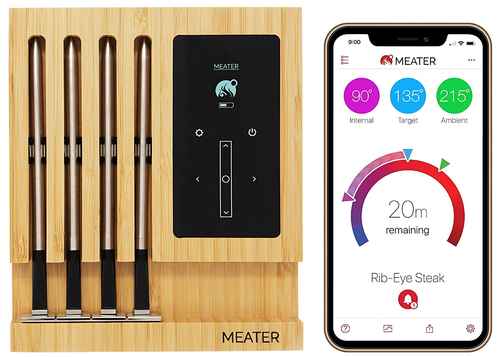
The most reliable way to assess doneness is using an instant-read meat thermometer. Insert it into the thickest part of the tenderloin. The temperature targets mentioned above correspond to standard levels of doneness.
Additional visual cues include:
- Rare: Deep red center, slightly soft to the touch.
- Medium-Rare: Warm red center, firm but still springy.
- Medium: Light pink center, firm and resilient.
- Medium-Well: Slightly pink center, quite firm.
- Well-Done: Uniformly brown, very firm with little to no spring.
Resting the tenderloin for 5-10 minutes after air frying is critical. This allows juices to redistribute, resulting in a moist, flavorful roast rather than one that appears dry when sliced.
Ingredients Needed
Cooking a beef tenderloin in the air fryer requires minimal ingredients, allowing the quality of the meat to shine:
- Beef tenderloin roast (1-2 pounds, trimmed of excess fat and silver skin)
- Olive oil or melted butter (to lightly coat the meat)
- Kosher salt and freshly ground black pepper (to taste)
- Optional aromatics: garlic powder, rosemary, thyme, or smoked paprika for enhanced flavor
- Optional finishing: fresh herbs or a squeeze of lemon for presentation
These simple ingredients ensure that the natural flavor of the tenderloin remains the star while enhancing the seared crust.
How To Cook Beef Tenderloin In Air Fryer
- Preparation: Remove the tenderloin from the refrigerator 30-60 minutes before cooking to bring it to room temperature. Pat dry with paper towels to remove excess moisture.
- Seasoning: Rub the entire surface with olive oil or melted butter. Generously season with salt, pepper, and any desired aromatics.
- Preheating: Preheat the air fryer to 400°F (204°C) for about 5 minutes. Preheating ensures even cooking and proper searing.
- Air Frying: Place the tenderloin in the basket, ensuring it isn’t touching the sides for proper air circulation. Cook for the time suggested based on your preferred doneness, flipping halfway through if desired for an even crust.
- Checking Doneness: Use an instant-read thermometer to verify internal temperature. Remove the roast slightly before it reaches the target temperature, as carryover cooking will continue during resting.
- Resting: Tent the roast loosely with foil and let it rest for 5-10 minutes before slicing.
What If I Use A Different Air Fryer Temperature?
Adjusting the air fryer temperature will significantly impact both cooking time and the crust formation:
- Lower Temperatures (350-375°F / 177-190°C): Slower, more even cooking with reduced risk of over-browning, but may produce a less pronounced crust. Good for thick roasts or if you prefer precise control.
- Higher Temperatures (425-450°F / 218-232°C): Rapid searing and a darker crust, but increased risk of overcooking the interior. Requires closer monitoring and shorter cooking times.
Temperature tweaks are possible, but they demand attention to internal temperature and visual cues to avoid a dry result.
What If I Use A Different Air Fryer Cooking Time?
Cooking times are closely tied to both temperature and roast size:
- Shorter Time: May result in undercooked or raw meat unless using a higher temperature.
- Longer Time: Likely leads to overcooked, dry tenderloin, especially if the roast is small or lean.
The best practice is to always combine time guidelines with thermometer readings, rather than relying solely on minutes. Air fryer models vary in efficiency, so strict adherence to time without checking doneness is risky.
When Things Go Wrong
Even with careful planning, issues can arise:
- Dry Meat: Often caused by overcooking or cooking at too high a temperature. Remedy by slicing thinly and serving with a sauce or compound butter.
- Undercooked Meat: Simply return the tenderloin to the air fryer for additional minutes, checking frequently.
- Uneven Browning: Ensure the tenderloin isn’t crowded in the basket. Flip halfway through cooking.
- Tough Texture: Usually a result of skipping the resting period, which allows the juices to redistribute.
Expert Tips
- Always trim silver skin and excess fat to prevent chewy textures.
- Use a light coating of oil; too much can cause smoke in the air fryer.
- Preheat your air fryer to maximize Maillard browning.
- Monitor closely after 10-12 minutes for smaller roasts; lean cuts can go from perfect to overdone rapidly.
- Resting is essential-never skip this step.
- For extra flavor, add a garlic-herb butter topping just before serving.
FAQs
What Temperature Should I Cook Beef Tenderloin In An Air Fryer?
For a medium-rare beef tenderloin, preheat the air fryer to 400°F (204°C). Cooking times may vary based on the size of the tenderloin, but generally, 20-25 minutes is sufficient, flipping halfway through. Adjust the temperature for different levels of doneness.
How Do I Season Beef Tenderloin For Air Frying?
Pat the tenderloin dry with paper towels. Season generously with salt, pepper, and your choice of herbs or spices, such as garlic powder, rosemary, or thyme. For added flavor, marinate the beef for 1-2 hours before cooking.
Do I Need To Preheat The Air Fryer Before Cooking Beef Tenderloin?
Yes, preheating ensures even cooking and helps develop a seared crust. Preheat the air fryer for about 5 minutes at the desired cooking temperature before placing the beef tenderloin inside.
How Can I Tell When Beef Tenderloin Is Done In An Air Fryer?
Use a meat thermometer to check doneness. Medium-rare is 130-135°F (54-57°C), medium is 135-145°F (57-63°C), and medium-well is 145-155°F (63-68°C). Remove the beef slightly before it reaches the target temperature, as it will continue to cook while resting.
Should I Flip The Beef Tenderloin During Air Frying?
Yes, flipping halfway through cooking promotes even browning and ensures the tenderloin cooks uniformly. Typically, flip after 10-12 minutes when cooking at 400°F (204°C).
How Long Should Beef Tenderloin Rest After Air Frying?
Rest the cooked beef tenderloin for 10-15 minutes before slicing. Resting allows the juices to redistribute, ensuring a tender and juicy final result.
Can I Cook A Frozen Beef Tenderloin In An Air Fryer?
Cooking a frozen tenderloin is not recommended because it may cook unevenly. It’s best to thaw the beef completely in the refrigerator before air frying to ensure consistent doneness and proper browning.